
There’s a moment in late autumn when you walk into a perfectly arranged room — soft lighting, warm textures, the faint smell of woodsmoke — and your whole body just exhales. That feeling isn’t accidental. It’s designed. Whether you live in a small apartment or a spacious house, creating a cozy warm interior doesn’t require a massive budget or an interior designer. It just requires the right ideas, applied thoughtfully. In this guide, you’ll find 12 practical, beautiful ways to turn any room into a space that feels genuinely warm, inviting, and yours.
Why Cozy Warm Interiors Actually Matter
Most people spend over 90% of their time indoors. The environment around you directly affects your mood, productivity, and even sleep quality. A cold, clinical space can feel draining without you even realizing it. On the other hand, a warm interior — rich in texture, soft lighting, and earthy tones — signals safety and rest to your nervous system. Studies in environmental psychology consistently show that warmer, cozier spaces reduce stress and increase feelings of belonging. Investing in your home’s warmth isn’t just an aesthetic choice. It’s a quality-of-life choice.
12 Cozy Warm Interior Ideas to Transform Your Space
Lighting & Ambiance
1. Layer Your Lighting at Three Levels
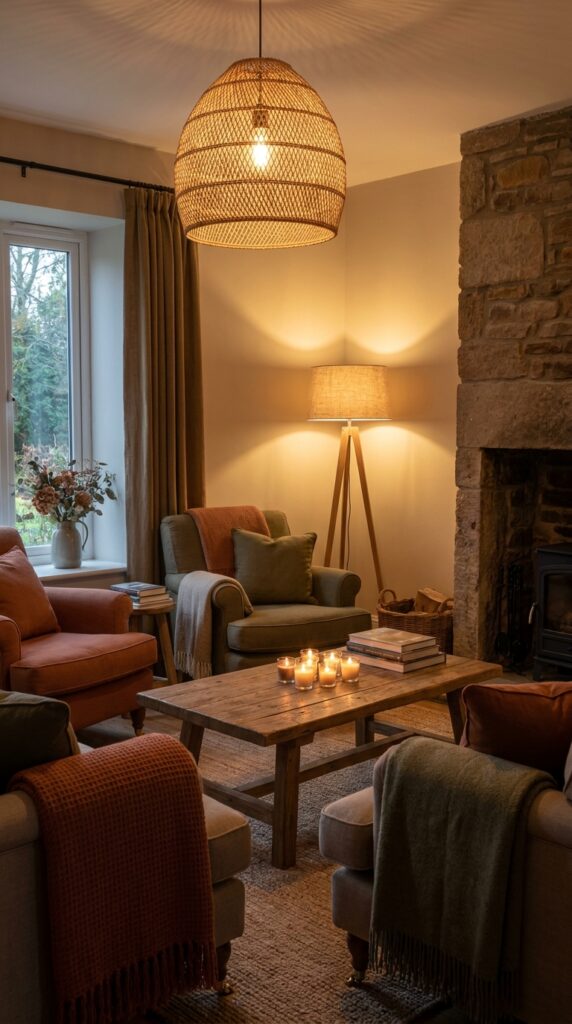
Overhead lights are often too harsh. The secret to warm interior lighting is working in layers — overhead ambient, mid-level table or floor lamps, and low accent lighting like candles or LED strips. Warm-toned bulbs (2700K–3000K) make every surface look richer and more inviting. Dimmer switches are a simple upgrade that completely change how a room feels in the evening.
2. Bring in Real or Realistic Candlelight
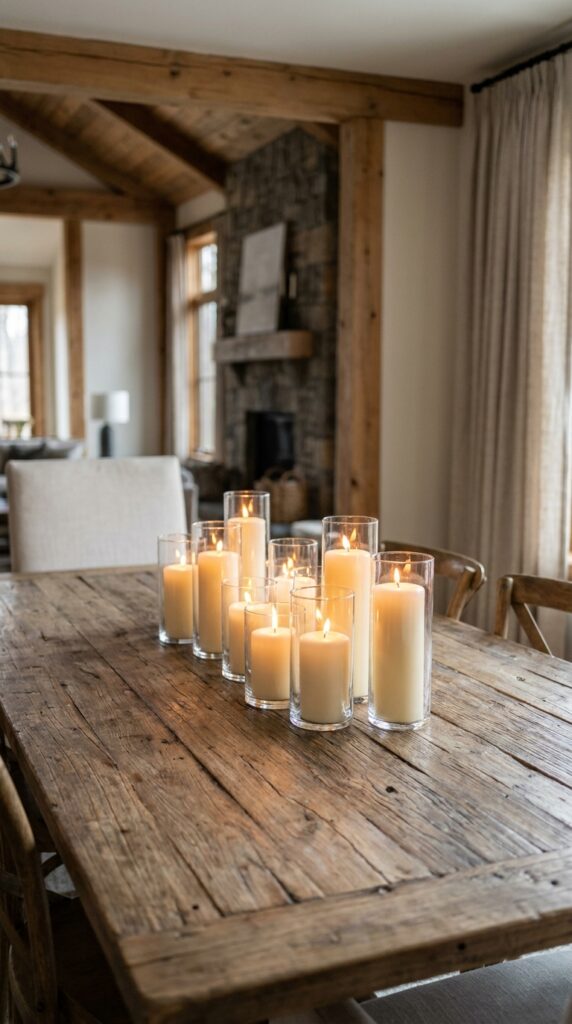
Candles have been making spaces feel cozy for thousands of years — and for good reason. The soft, flickering glow creates an atmosphere no electric bulb can fully replicate. If open flames aren’t practical, high-quality flameless LED candles now mimic the flicker convincingly. Arrange them in clusters on shelves, mantlepieces, or dining tables. Scented candles add a sensory warmth that goes well beyond the visual.
Texture & Fabric
3. Layer Rugs for Instant Warmth Underfoot
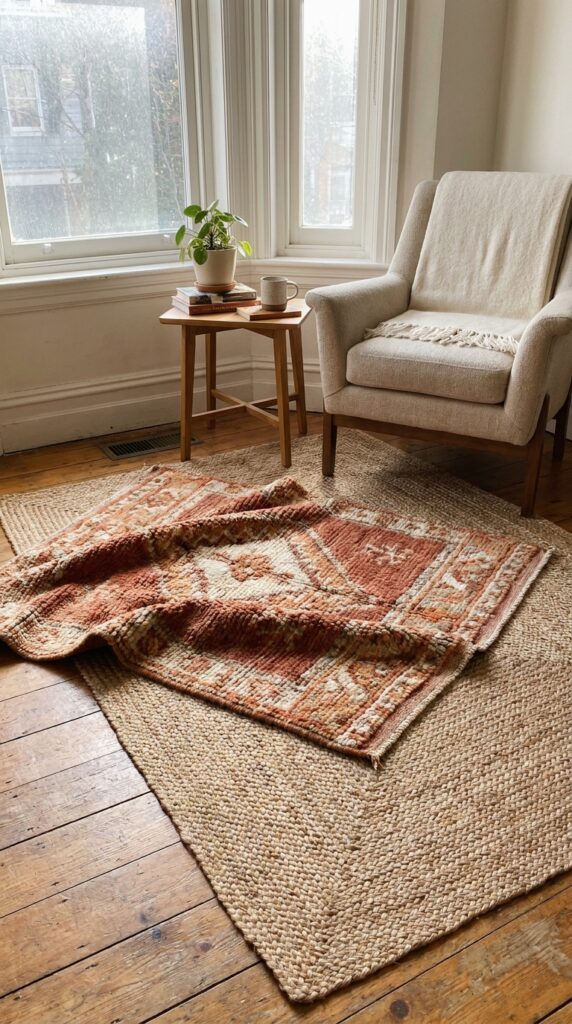
Bare floors, even beautiful ones, make a room feel cold and echoey. A thick wool or jute area rug anchors the space and introduces immediate warmth. For extra coziness, try layering two rugs — a flat-woven base with a plush, textured one on top. This layered look adds depth and tactile richness. Choose rugs in warm earthy tones like terracotta, cream, rust, or deep mocha to reinforce that cozy interior aesthetic.
4. Pile On the Throw Blankets and Pillows
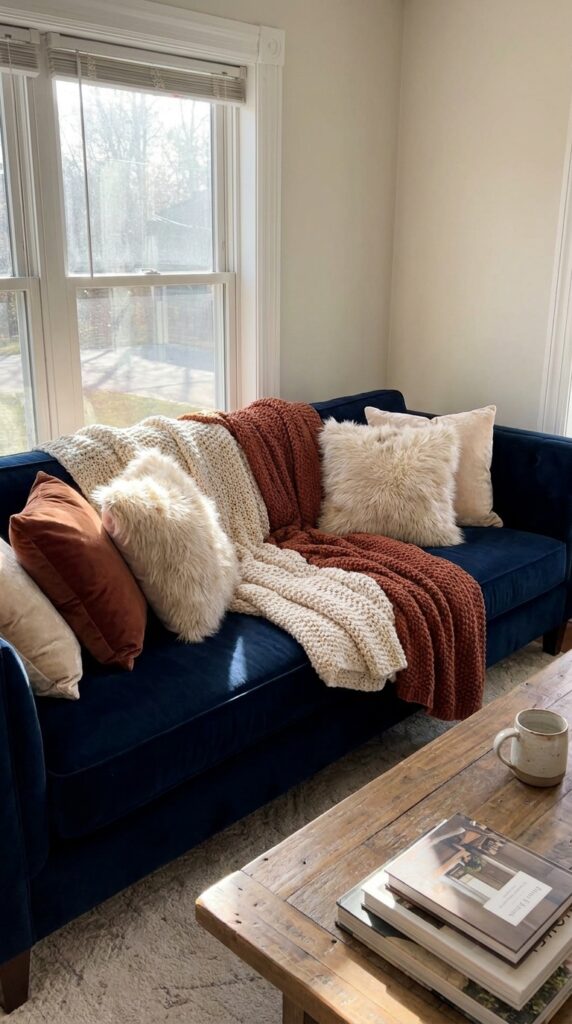
Nothing signals comfort faster than a generously draped throw blanket. Chunky knit blankets, velvet cushions, and faux-fur pillows instantly make sofas and beds look more inviting. Don’t be afraid to go generous — three or four different textures layered together create a lush, lived-in look. Stick to a cohesive color palette so the variety feels curated rather than cluttered. Your guests will instinctively reach for them the moment they sit down.
5. Use Curtains That Fall Floor to Ceiling
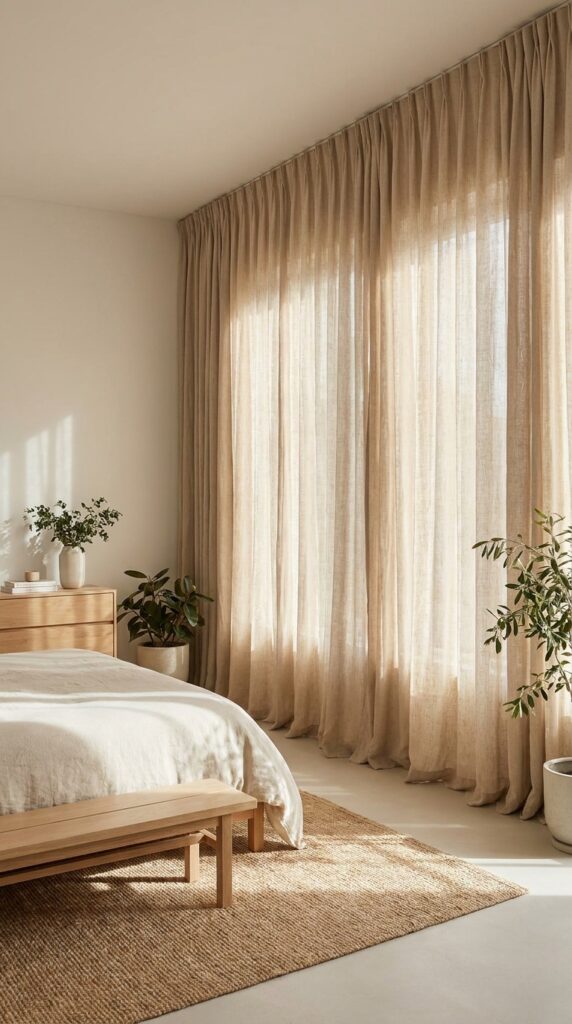
Curtains do more than block light — they add softness, volume, and insulation to any room. Hanging curtains higher than the window frame (ideally close to the ceiling) makes the room feel taller and more enveloping. Choose heavy fabrics like linen, velvet, or thermal weaves in warm neutrals or muted jewel tones. Long, floor-grazing curtains have a luxurious quality that makes even modest rooms feel warmly elegant and intimately cozy.
Color & Materials
6. Choose a Warm, Earthy Paint Palette
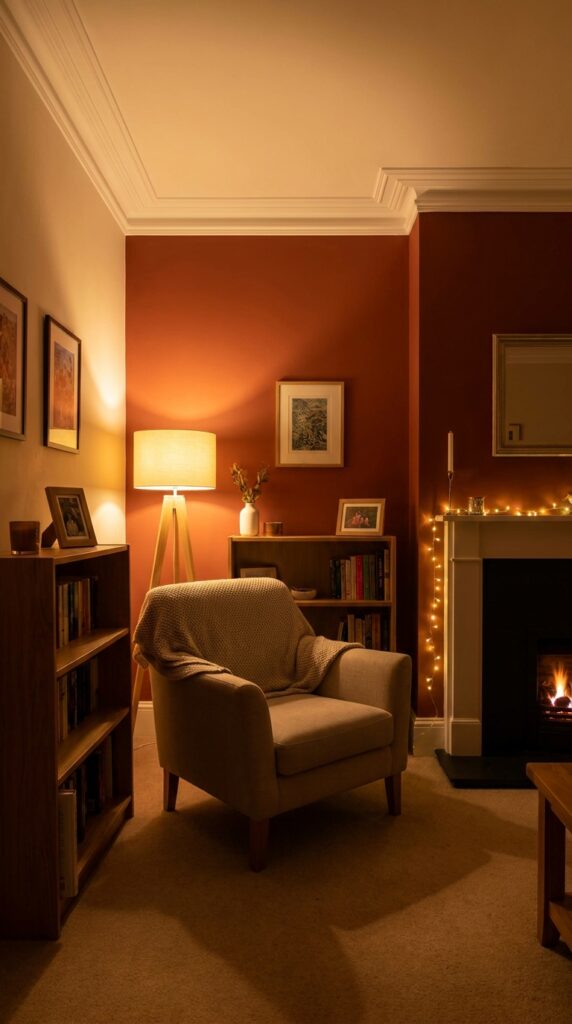
Color is the fastest and most impactful way to change a room’s temperature — visually speaking. Cool grays and stark whites feel crisp and modern, but they don’t do warmth. Instead, lean toward warm whites (with a hint of cream), terracotta, sage green, dusty rose, or deep ochre. These tones absorb and reflect light in a way that makes rooms feel grounded and welcoming. Even a single warm-toned accent wall can transform the energy of an entire space.
7. Introduce Raw Wood and Natural Materials

Wood has an inherent warmth that almost no synthetic material can match. Whether it’s exposed ceiling beams, a reclaimed wood coffee table, or simple wooden shelving, natural timber immediately grounds a space. Pair it with other organic materials — rattan furniture, wicker baskets, linen throws — and the room starts to feel connected to the natural world. This biophilic approach to design isn’t just beautiful; it’s genuinely calming for the people living in it.
8. Add a Statement Fireplace or Fire Feature
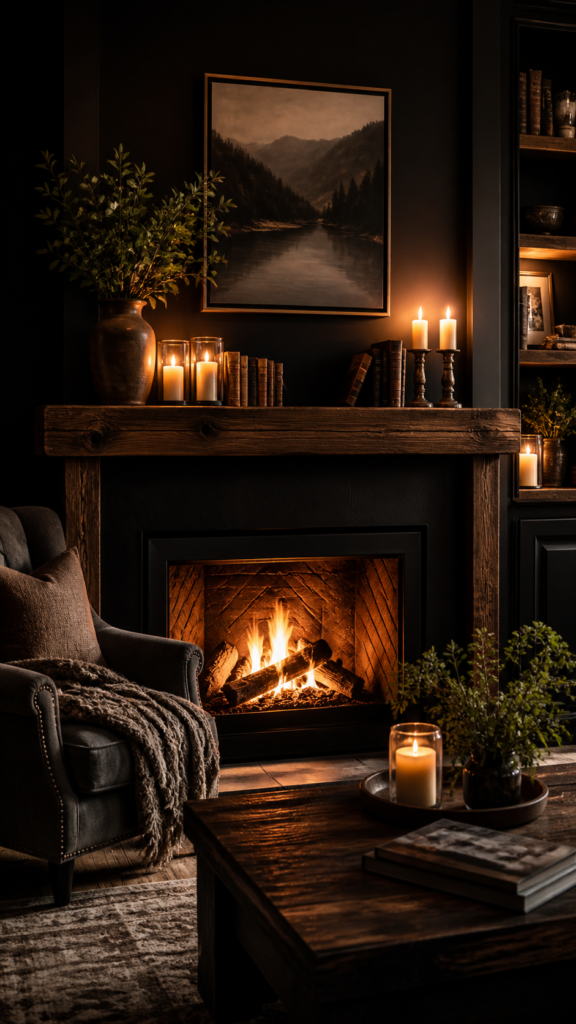
Nothing anchors a cozy room quite like a fireplace. If you have one, use it — and style the mantelpiece with candles, books, and small objects that tell your story. If you don’t, modern electric fireplace inserts or bio-ethanol fireplaces are surprisingly convincing alternatives that require no chimney. Even a well-styled fireplace surround, used purely decoratively with candles inside, creates a natural focal point that the whole room gravitates toward.
Plants, Scent & Soul
9. Bring Living Plants Indoors
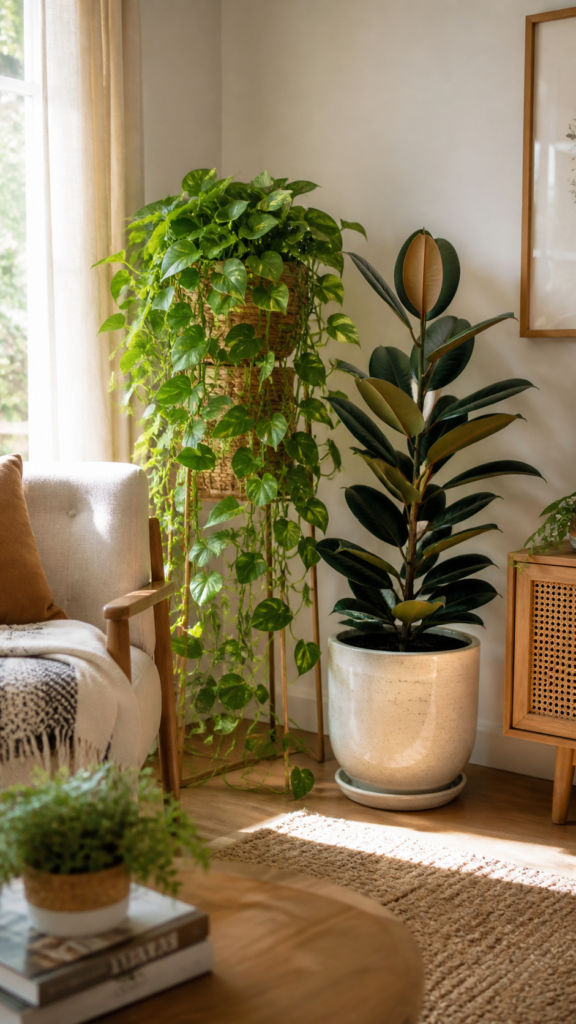
Plants bring life to a space in the most literal sense. A room with greenery feels warmer, more oxygenated, and more alive. You don’t need dozens — even two or three well-chosen plants can soften hard lines and add organic color. Choose plants with broad, lush leaves for a cozy, jungle-adjacent feel: pothos, rubber plants, and peace lilies all thrive indoors with minimal fuss. Place them near windows and in corners that need softening.
10. Style Your Shelves Like a Warm Story
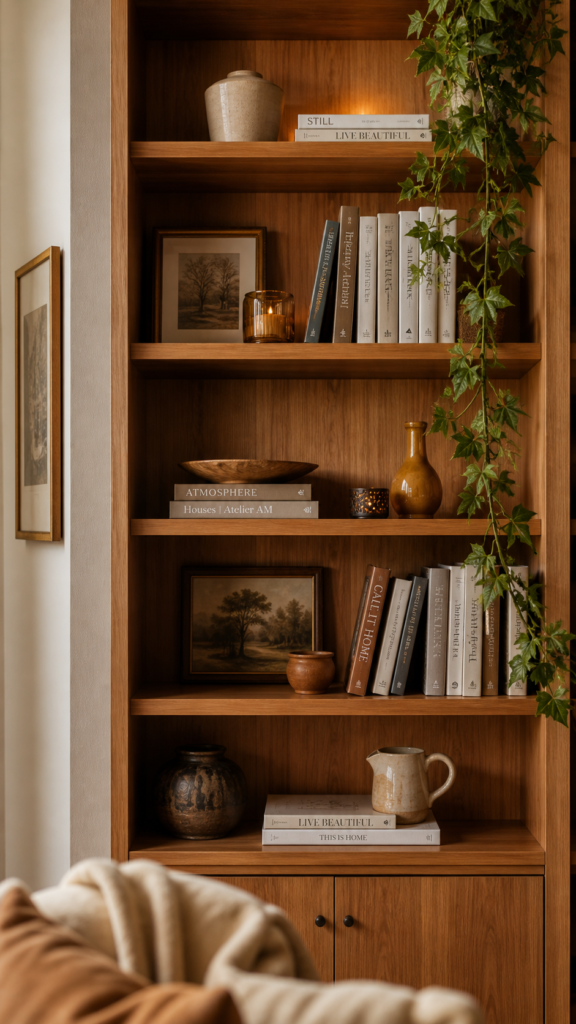
Shelves loaded with perfectly uniform objects look cold. Shelves styled with a mix of books, plants, personal mementos, warm-toned ceramics, and small artworks tell a story — and that story is cozy. The trick is intentional variety: vary the heights, materials, and negative space. Group items in odd numbers. Let books lean casually. Add a trailing plant. A shelf that looks slightly imperfect and personal will always feel warmer than one that looks staged.
11. Engage the Sense of Smell Intentionally
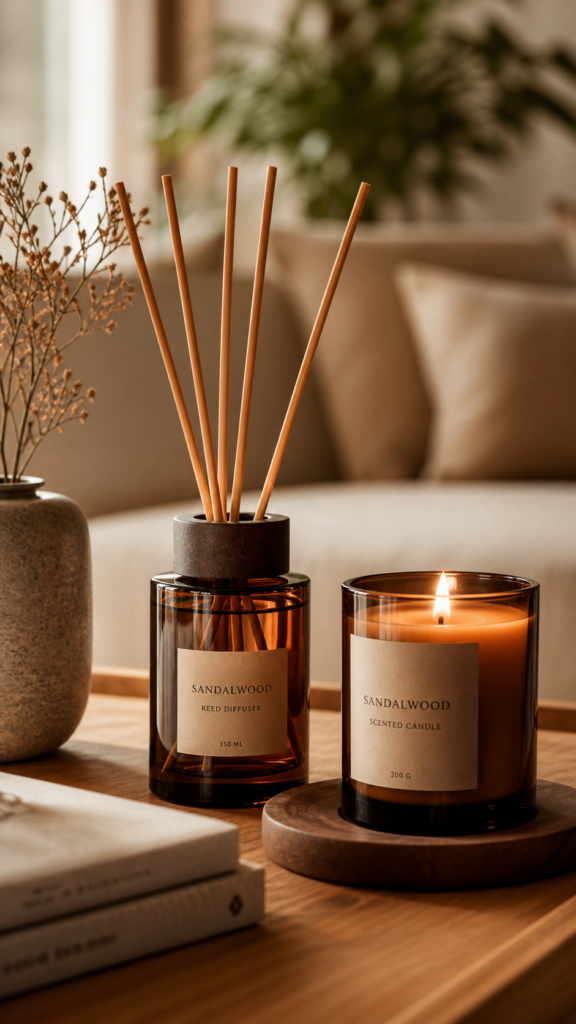
Coziness isn’t just visual — it’s multisensory. Scent is one of the most powerful triggers of comfort and memory. A home that smells of cedar, sandalwood, baked bread, or vanilla feels warm before you’ve even looked around. Use reed diffusers for constant background scent, candles for occasional ritual warmth, and natural cleaning products with subtle aromas. Avoid synthetic air fresheners — they signal cleaning product, not home. Choose scents that feel like the version of home you want to live in.
12. Create a Dedicated Reading or Rest Nook
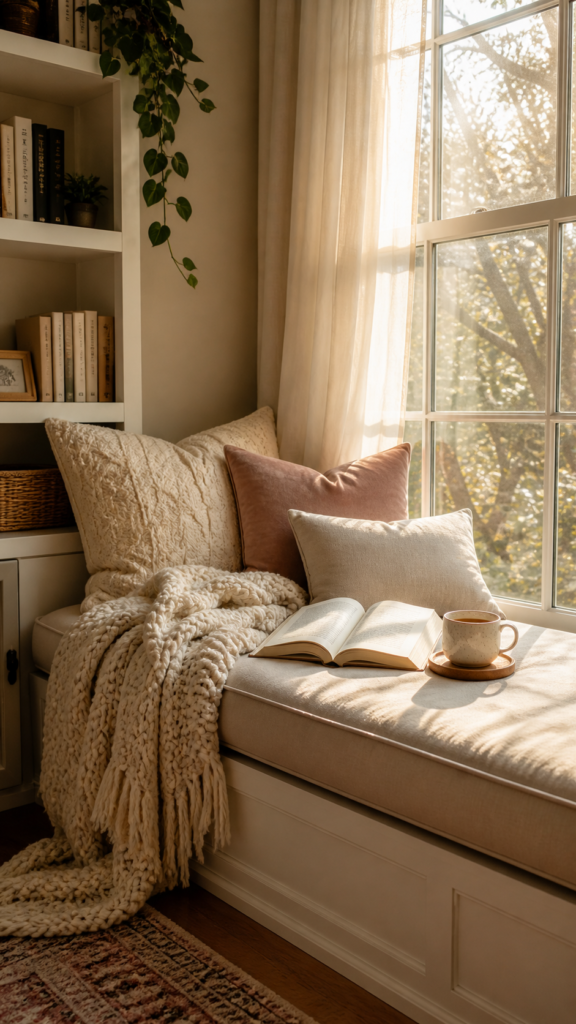
Even in a small home, carving out one corner that’s explicitly for rest is deeply cozy. A window seat with cushions, an armchair tucked beside a bookshelf, or a low floor cushion arrangement by the radiator — a nook gives the room purpose and intimacy. Add a small side table for your tea or book, a warm lamp at eye level, and a throw blanket. This becomes the most magnetic spot in the house, and the anchor point of all the coziness you’ve built.
FAQs: Creating Cozy & Warm Interiors
Conclusion
Creating a cozy warm interior isn’t about spending a fortune or following trends. It’s about understanding what genuinely makes people feel comfortable — soft light, inviting textures, natural materials, personal touches — and applying those things with intention. Start with one or two ideas from this list. Change a bulb. Add a rug. Drape a throw. Then watch how the energy of your space begins to shift. The warmest homes aren’t decorated; they’re curated over time, shaped by the people who live in them. Your home deserves to feel like a place you truly want to come back to.
1 thought on “12 Cozy Warm Interior Ideas That Make Your Home Feel Like a Hug”