
When I brought my daughter home for the first time, I thought I was ready because the nursery looked like a Pinterest board. But at 3:00 AM, during a sudden “diaper emergency,” I found myself stumbling in the dark, tripping over a toy, and realizing I had left the wipes in the other room. Using bedtime survival kits for new parents isn’t just a fancy organizational trend; it’s a literal lifeline. That night, amidst the quiet tears (both mine and the baby’s), I realized that being a “pro” parent isn’t about having the most expensive gear—it’s about having exactly what you need within arm’s reach when your eyes are half-closed.
Why Bedtime Survival Kits Matter
Nighttime parenting is a marathon, not a sprint. When you are sleep-deprived, your brain doesn’t function at 100%, and searching for a pacifier or a clean burp cloth can feel like a mountain-climbing expedition. These kits streamline your environment, reduce midnight stress, and ensure that both you and your baby can get back to sleep as quickly as possible. By organizing your space into functional “zones,” you reclaim a sense of control over the chaotic newborn days.
1. The Ultimate “Reach-In” Diaper Station
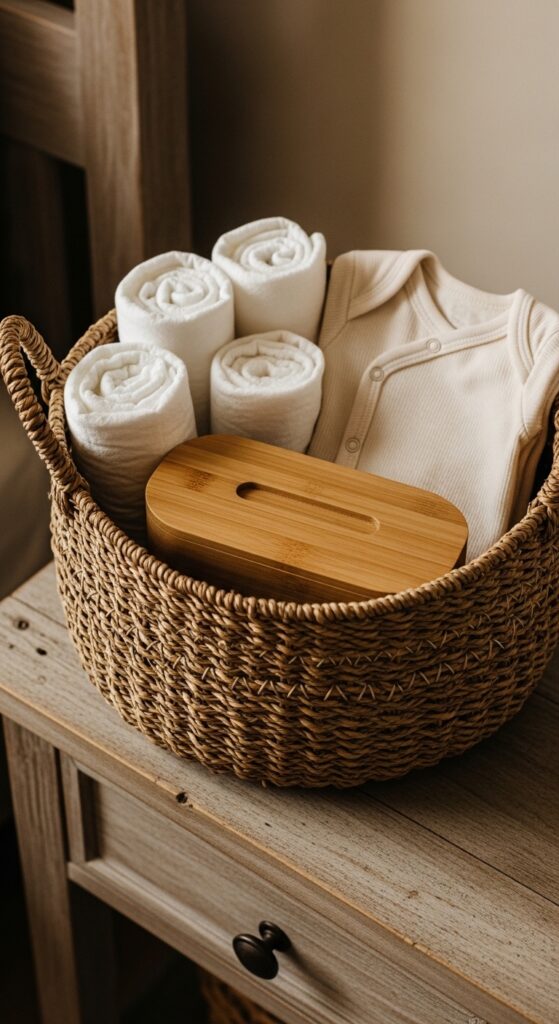
The first kit every parent needs is a mobile diapering station. Instead of heading to the nursery for every change, keep a high-quality woven basket next to your bed. It should include diapers, a travel-sized pack of wipes, diaper rash cream, and at least two spare onesies. Visually, imagine a beautiful sea-grass basket lined with soft linen, sitting perfectly on your nightstand. It keeps the mess contained and prevents you from having to turn on bright overhead lights, keeping the “sleepy vibes” intact for everyone.
2. The Hydration & Sanity Snack Caddy
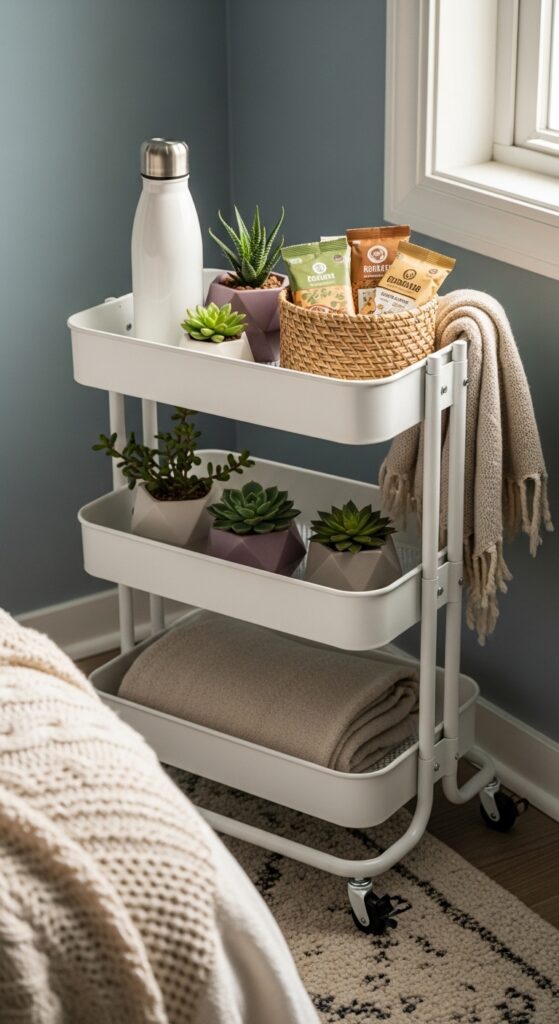
New parents often forget to take care of themselves. Create a “Parent Fuel” kit using a tiered rolling cart. Fill the top shelf with a large, insulated water bottle (one-handed straw models are best) and healthy, non-perishable snacks like protein bars or dried fruit. This is especially vital for breastfeeding moms who wake up starving. Picture a sleek, white metal cart with colorful silicone-wrapped bottles and neatly arranged snack bins—it’s practical, looks great in a room corner, and ensures you don’t faint from hunger at 2:00 AM.
3. The “Low-Glow” Lighting Kit
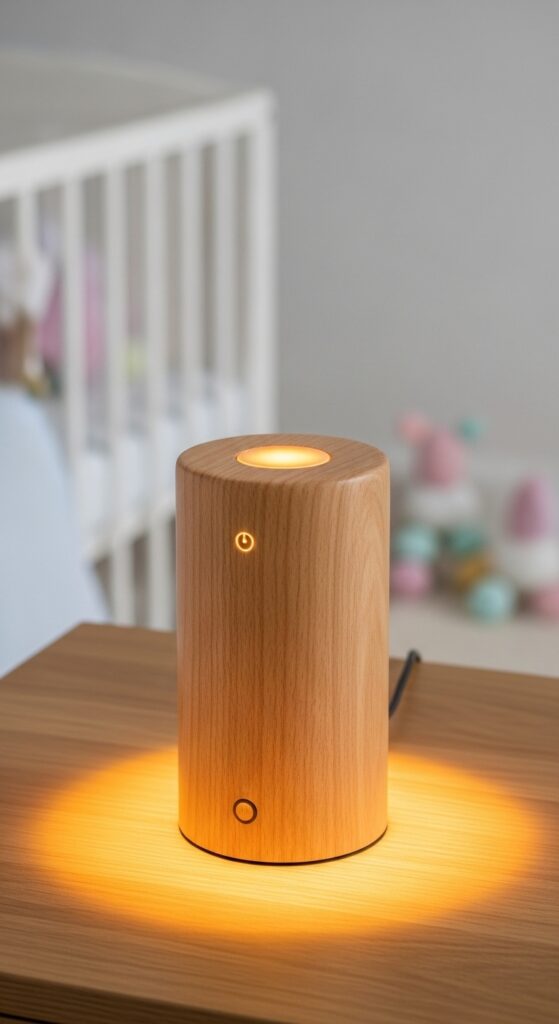
Harsh blue light is the enemy of sleep. Assemble a kit of warm-toned, dimmable LED lights or rechargeable “touch” lamps. Avoid flipping the big switch! Instead, use small, amber-hued nightlights that guide your path without fully waking your brain. Imagine a soft, warm glow illuminating the floorboards like a cozy campsite. This kit helps maintain the baby’s circadian rhythm and makes your bedroom feel like a peaceful sanctuary rather than a hospital ward.
4. The “Soothe-and-Snooze” Sound Bundle
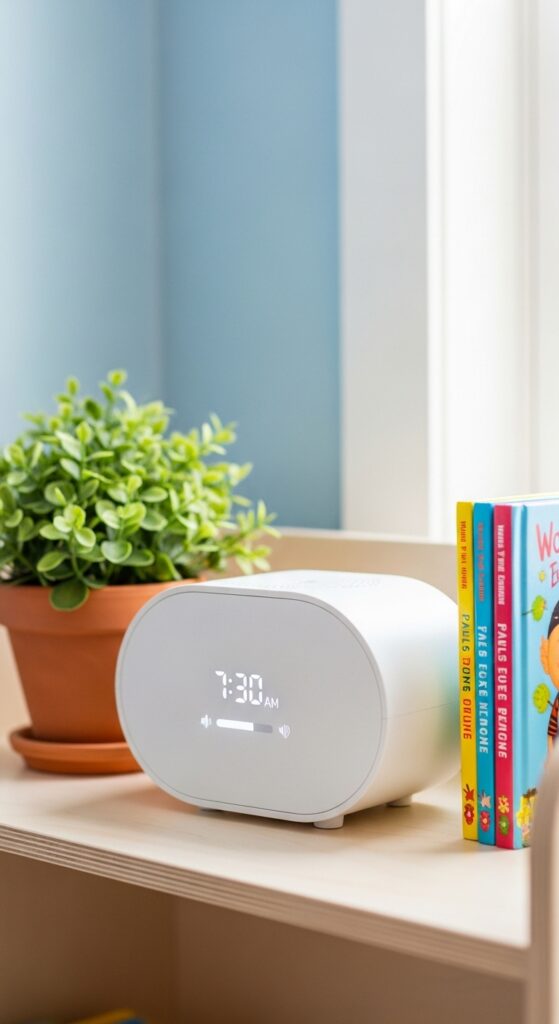
White noise is a miracle worker. This kit includes a portable sound machine, a backup set of batteries (or a long charging cable), and perhaps a lavender-scented room spray for a touch of aromatherapy. Imagine a small, minimalist device sitting on a wooden shelf, emitting the gentle hum of “Rainforest” or “Deep Ocean” sounds. It masks the floorboard creaks and helps the baby transition between sleep cycles, which means more rest for you.
5. The Emergency “Blowout” Clothing Kit
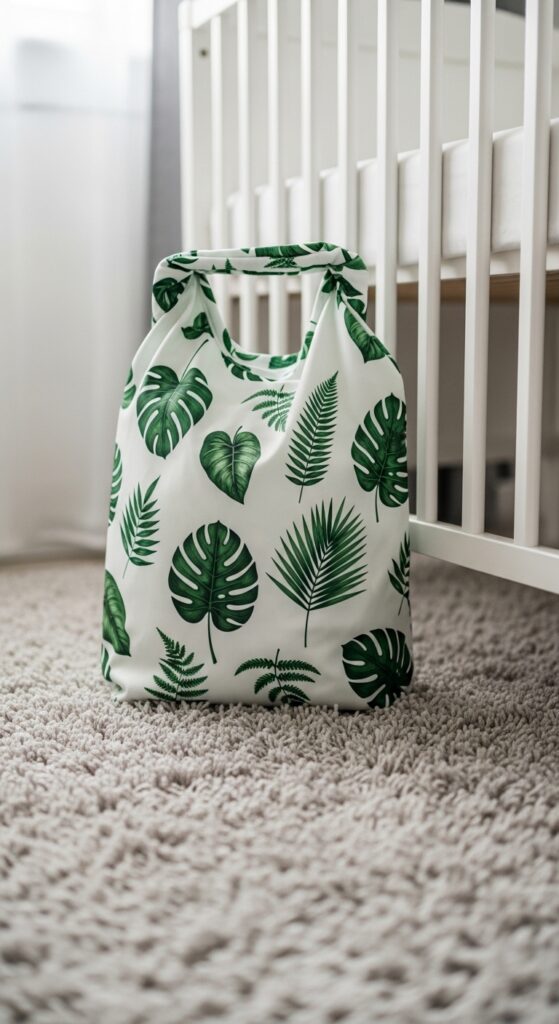
We’ve all been there—the diaper fails at the worst moment. Keep a dedicated wet-bag or a small bin containing a full change of clothes for the baby AND a spare t-shirt for you. Store this right under the edge of the bed. If a mess happens, you aren’t digging through drawers. Imagine a cute, waterproof fabric bag with a trendy print that hides the “disaster” clothes until morning. It’s about damage control and keeping your bedding (mostly) clean.
6. The Nursing & Feeding Comfort Pack
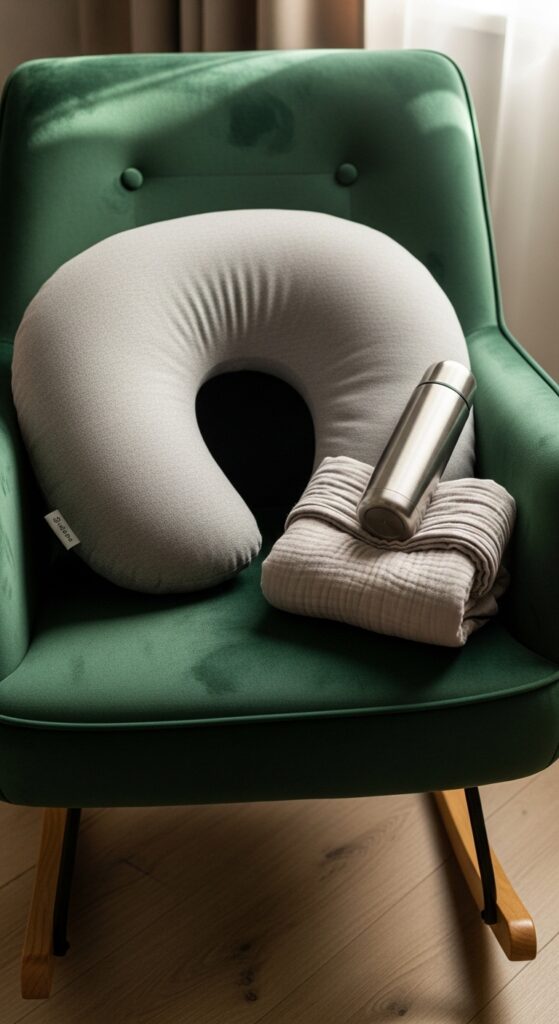
Whether you are bottle-feeding or breastfeeding, comfort is king. This kit should have a supportive nursing pillow, nipple cream or bottle liners, and a soft muslin cloth. If you’re bottle-feeding, include a pre-measured formula dispenser or a thermos of warm water. Visualize a plush, velvet-covered pillow paired with a sleek, modern thermos. Having everything measured out beforehand saves precious minutes of crying time.
7. The “Mini-Pharmacy” Health Kit
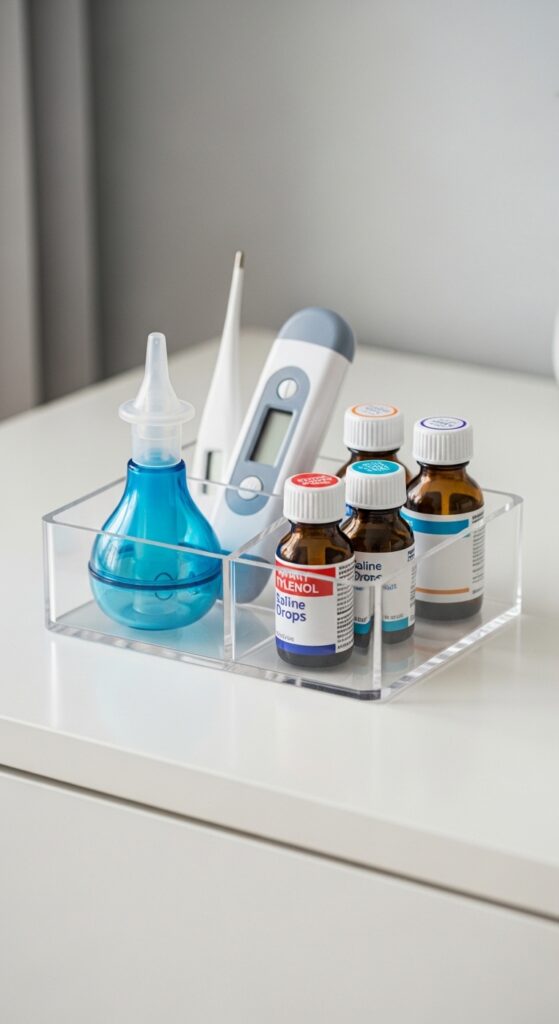
When a baby gets fussy due to gas or a stuffy nose, you don’t want to be hunting through the kitchen cabinets. Keep a small, clear acrylic box with an aspirator, gas drops, a digital thermometer, and a soft hairbrush. The transparency of the box allows you to see exactly what you’re grabbing in dim light. It looks organized, professional, and gives you peace of mind knowing you can handle minor discomforts instantly.
8. The Temperature Control Kit
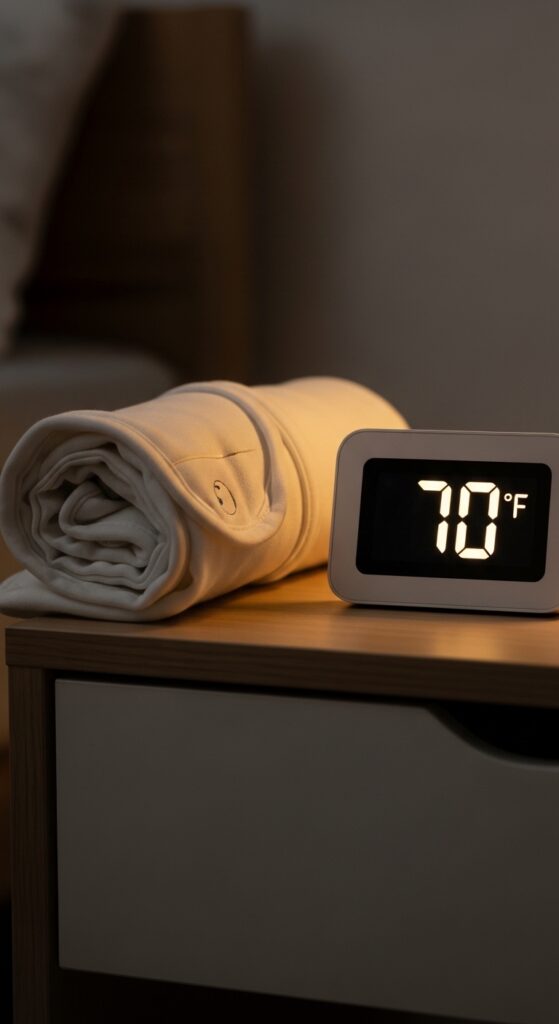
Babies are sensitive to heat and cold. This kit includes a room thermometer, a lightweight wearable blanket (sleep sack), and a small fan or space heater (used safely). Imagine a stylish digital hygrometer on the dresser that glows softly to tell you if the room is the “Goldilocks” temperature of 68-72°F. This kit ensures your baby stays safe and comfortable, reducing those “are they too hot?” wake-ups.
9. The “Quiet-Time” Entertainment Kit
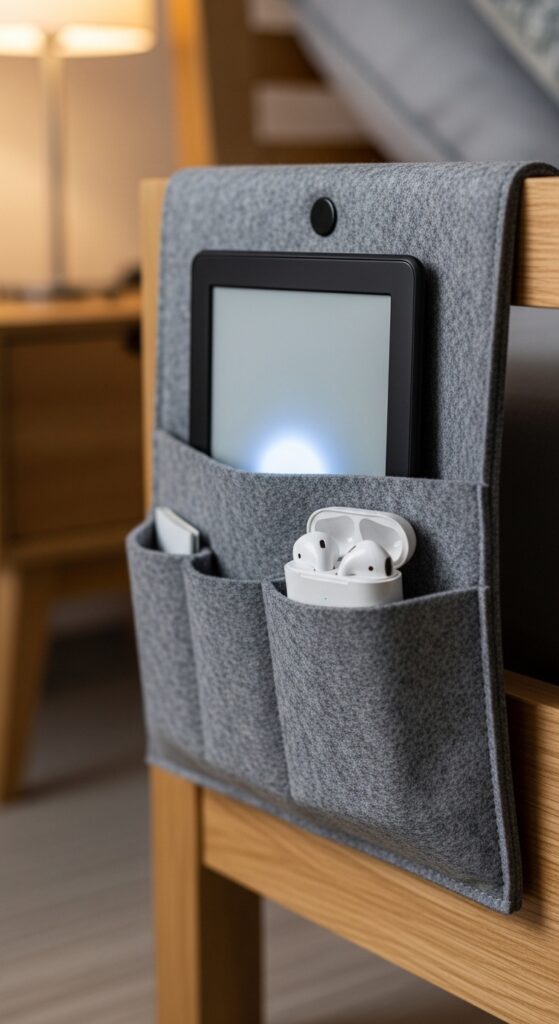
Sometimes, the baby just won’t go back to sleep, and you’re stuck in a rocking chair for an hour. Keep an e-reader, a pair of wireless earbuds, and a long phone charger in a small felt pouch. This allows you to listen to a podcast or read a book without disturbing the baby with light or noise. Picture a soft gray felt bag hanging from the side of your glider, keeping your “boredom busters” organized and accessible.
10. The Burp & Spit-up Station
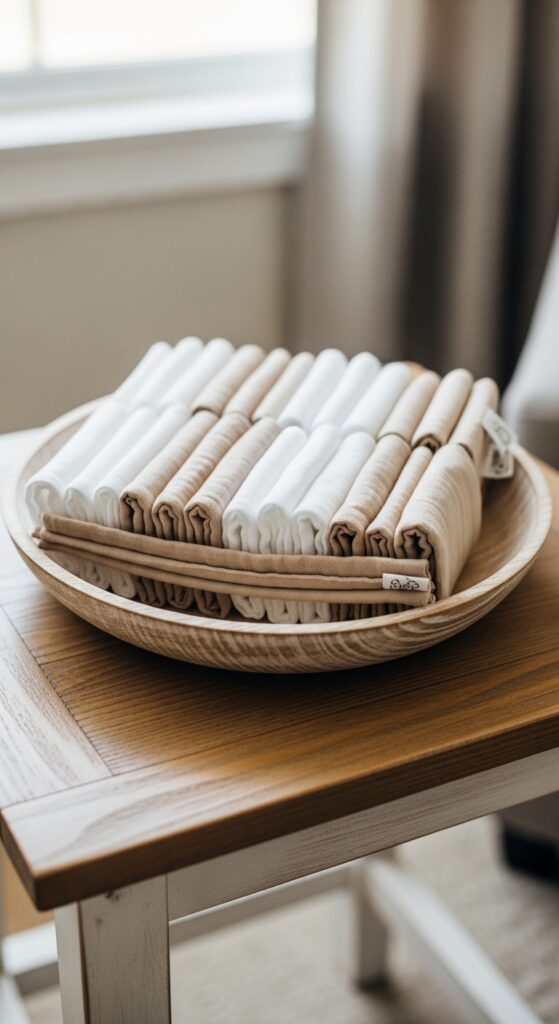
Spit-up happens, and usually on your favorite pajamas. Keep a stack of 5-6 high-absorbency burp cloths in a dedicated wooden tray or a decorative fabric bin near your feeding chair. Go for organic cotton cloths in neutral tones that look great draped over the arm of a chair. This prevents the “search and rescue” mission for a cloth while a baby is mid-spit-up, saving your carpet and your clothes.
11. The Pacifier “Hunt-No-More” Jar
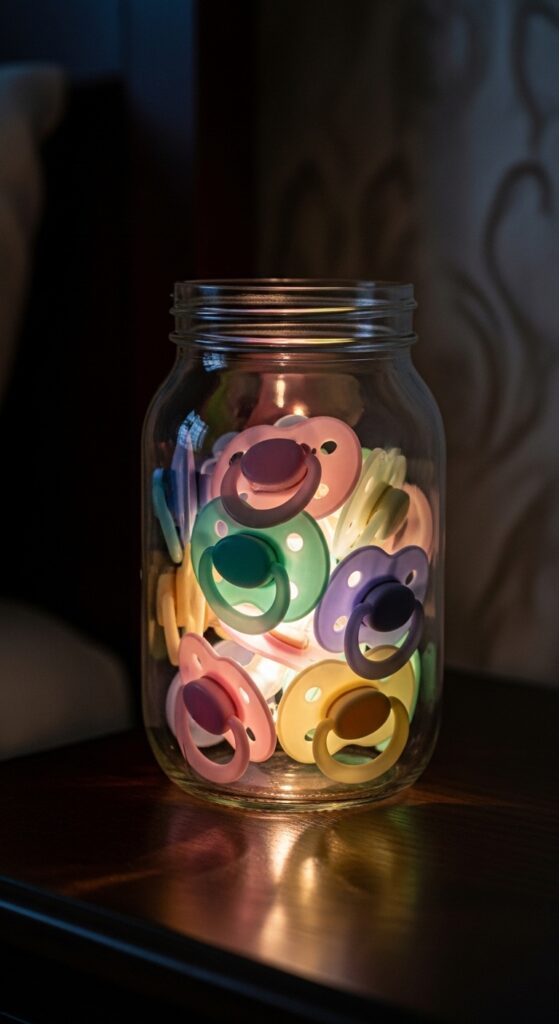
Pacifiers have a way of disappearing into the “dark abyss” of the crib. Keep a glow-in-the-dark pacifier kit in a small glass jar on the nightstand. Having 3-4 extras ready to go means you won’t be fishing under the bed at midnight. Imagine a beautiful mason jar filled with pastel-colored binkies—it’s a simple decor touch that serves a vital function when the baby starts rooting in their sleep.
12. The “Calm-Down” Aromatherapy Set
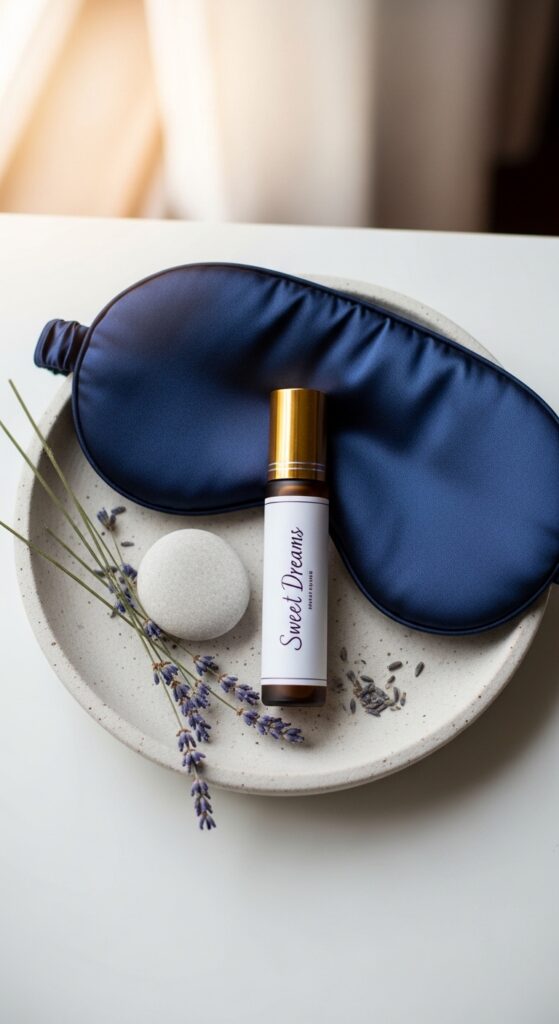
This one is for the parents. A kit with essential oil rollers (like lavender or chamomile) and a silk eye mask can help you fall back asleep instantly once the baby is down. Keep these in a small ceramic dish. Imagine the scent of a spa wafting through your room as you pull on a soft, mulberry silk mask. It signals to your body that “duty is over” and it’s time for deep recovery.
13. The Laundry “Pre-Treat” Bag
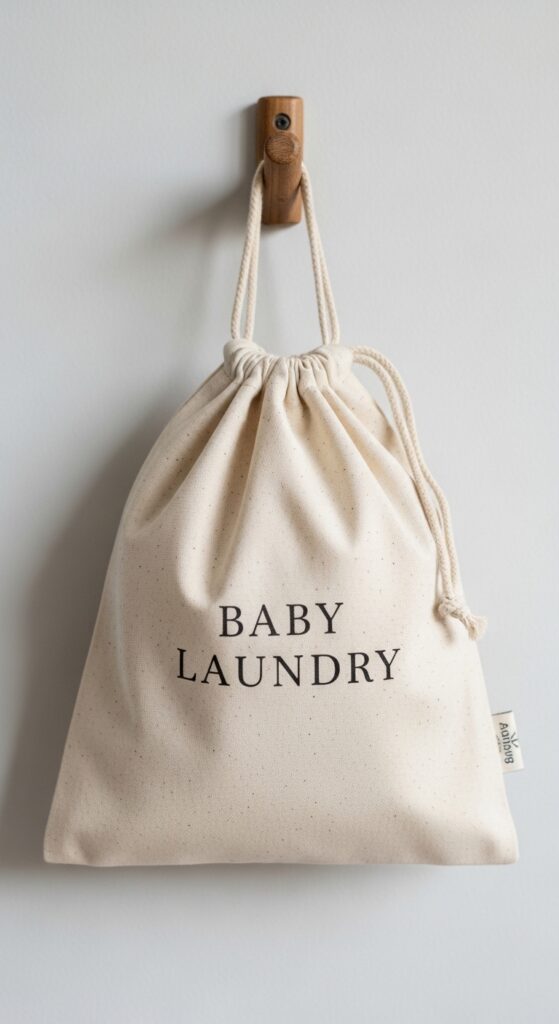
When a leak happens, the stains set in fast. Keep a small mesh laundry bag specifically for soiled baby items tucked in the corner. If you can, include a travel-sized stain remover pen. This allows you to toss the mess away and deal with it in the morning without ruining the fabric. Visually, a small hanging canvas bag with “Laundry” embroidered on it adds a rustic, organized charm to the nursery.
14. The “Post-Partum” Recovery Kit
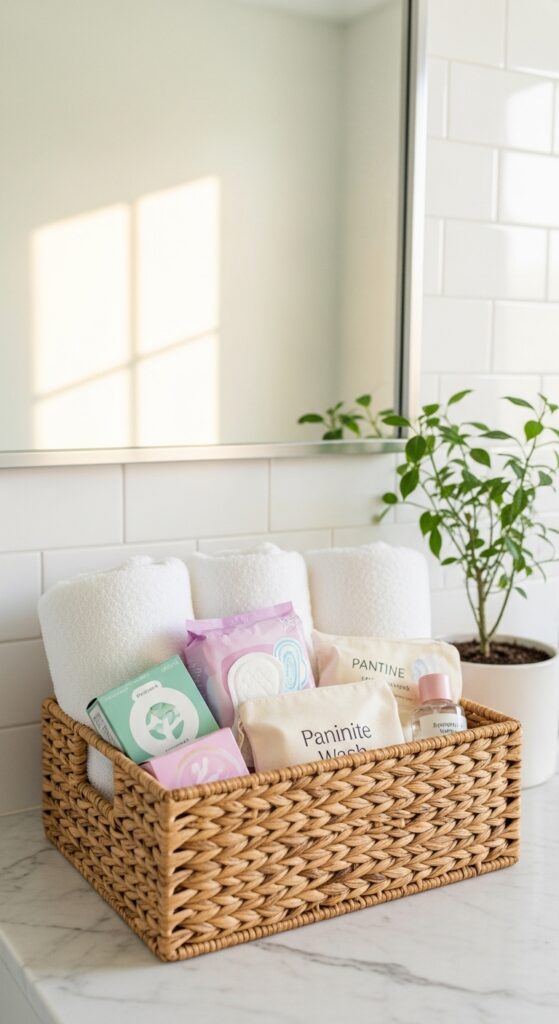
For the new moms, having your own recovery supplies (pads, cooling liners, or medications) in a dedicated bathroom basket is essential. You shouldn’t have to walk across the house. Picture a neat wicker basket on the back of the toilet or under the sink, stocked and ready. Taking care of yourself allows you to take better care of the baby during those long nights.
15. The “Good Morning” Transition Kit
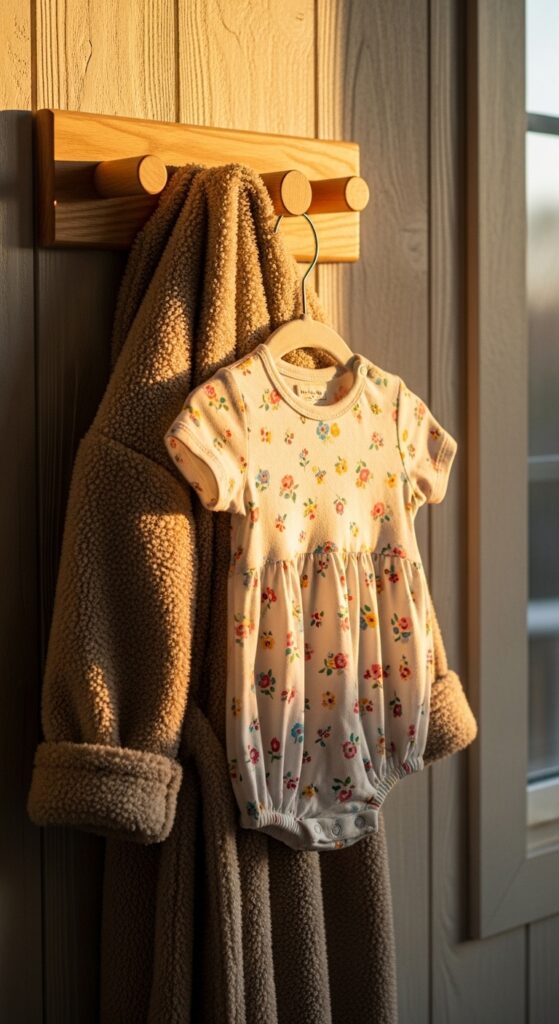
The night doesn’t end until the sun comes up. Keep a kit ready for that first “real” wake-up: a clean outfit for the day, a fresh diaper, and your morning robe. Having this ready prevents the morning scramble. Imagine a beautiful wooden peg rack with a soft linen robe and a tiny baby outfit hanging ready—it’s the perfect “end of the tunnel” visual that makes the night feel manageable.
Common Questions About Bedtime Survival Kits
1. Where is the best place to store these kits? +
2. How do I keep these kits organized when I’m exhausted? +
3. Are these kits expensive to make? +
4. What is the most important item in a survival kit? +
5. How long will I need these survival kits? +
Conclusion
Survival isn’t just about getting through the night; it’s about doing it with your sanity intact. By setting up these bedtime survival kits for new parents, you are creating a roadmap for success in the middle of the night. You deserve to feel prepared and calm, even when you’re functioning on three hours of sleep.
Final Words: Don’t wait until you’re exhausted to start. Pick three kits from this list today—perhaps the diaper station, the snack caddy, and the lighting kit—and set them up before the sun goes down. Your future, sleepy self will thank you!


One comment