

Have you ever walked into a boutique hotel room or turned the page of a luxury design magazine and instantly felt a wave of calm wash over you? It is not just the high-thread-count sheets or the perfectly fluffed pillows. The real secret lies in the palette. Color has a sneaky, powerful way of shifting our mood the second we cross the threshold of a room. For a space where you spend a third of your life resting, resetting, and escaping the noise of the outside world, getting the hue just right is everything.
Choosing a palette can feel incredibly overwhelming when you are staring at hundreds of identical-looking paint swatches under harsh hardware store lighting. That is why we are bypassing the guesswork. We reached out to seasoned experts to uncover the exact bedroom color schemes that interior designers swear by to create spaces that look high-end, feel deeply personal, and stand the test of time.
Read Also : 15 Bohemian Home Decor Ideas for a Warm, Soulful, and Layered Living Space
Why Bedroom Color Schemes Matter in Modern Homes
Our homes have taken on a massive emotional load over the last few years. They are no longer just places we crash at night; they are sanctuaries where we need to actively decompress from digital fatigue and daily stress. A chaotic, mismatched bedroom setup subliminally keeps your brain on high alert, making it difficult to truly unwind.
By contrast, a thoughtful palette establishes immediate visual harmony. The right combination of wall color, textiles, and wood tones bridges the gap between functional design and emotional comfort. Designers do not just pick colors because they look pretty on a mood board; they select them to manipulate light, make tight architectural footprints feel expansive, and create an atmosphere that genuinely improves your quality of sleep and mental well-being.
1. Oatmeal, Soft Chalk, and Weathered Oak
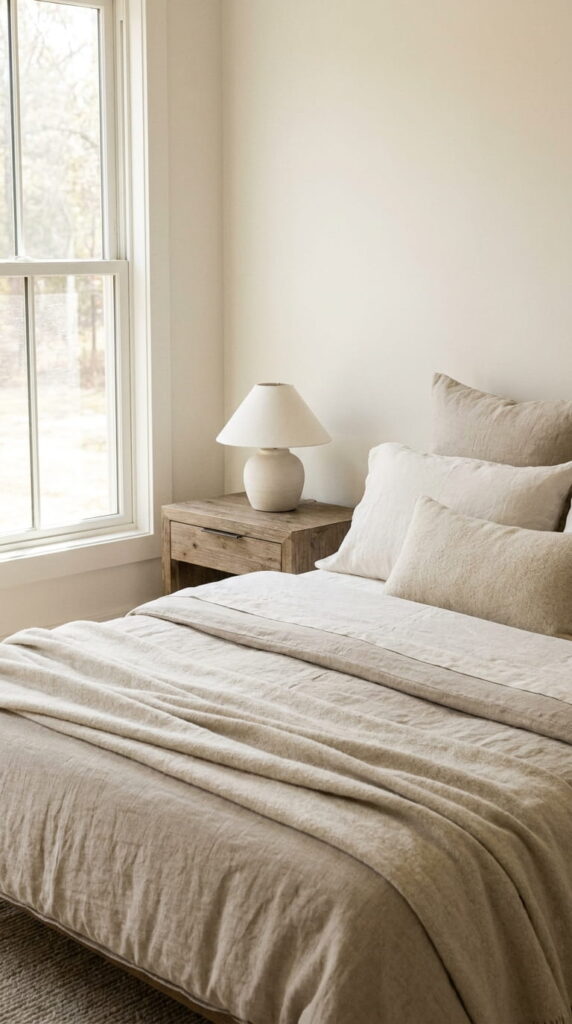
There is a massive difference between a bedroom that feels clinical and one that feels like a warm, organic embrace. This palette leans heavily into the latter by swapping out cold, stark whites for rich, milky chalk and layered shades of oatmeal. The magic happens when these soft tones meet the rustic texture of weathered oak furniture.
According to design principles highlighted in Architectural Digest, layering similar tonal shades creates a sense of quiet luxury without relying on loud patterns. It works beautifully in south-facing rooms where the natural sunlight accentuates the warm undertones of the paint, preventing the space from ever feeling washed out.
- Where it works best: Sun-drenched master bedrooms with large windows.
- Styling guidance: Introduce a chunky knit boucle throw across the foot of the bed and style the space with matte ceramic vases.
- Common mistake to avoid: Forgetting to add varying textures. Without diverse fabrics, an all-neutral room can quickly look flat and uninspiring.
2. Deep Sage Green, Cream, and Warm Terracotta
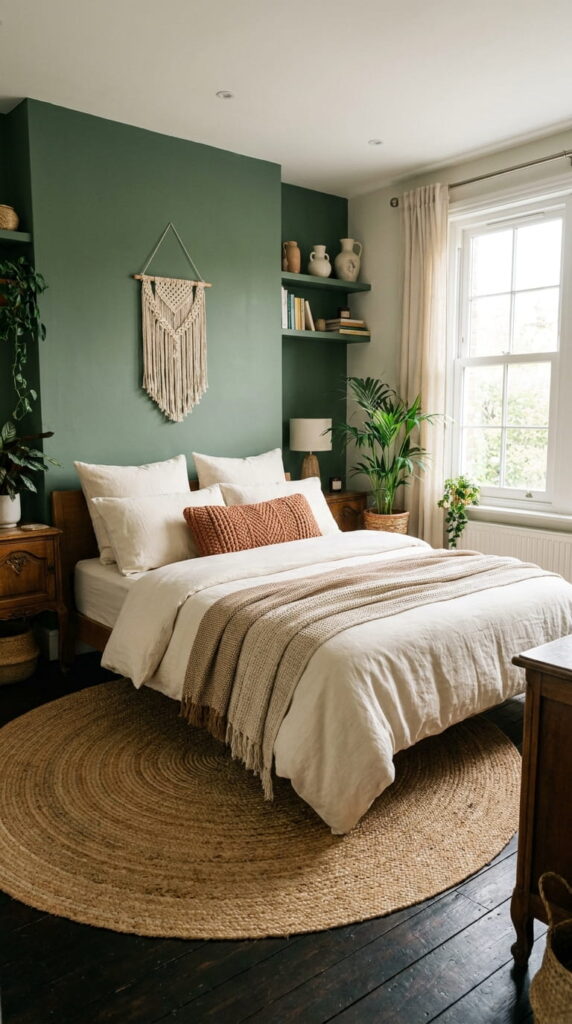
Bringing the outdoors inside is a timeless design strategy, but this specific blend elevates the concept by introducing an earthy, grounded contrast. Deep sage green acts as a muted, sophisticated backdrop that instantly lowers your heart rate. Cream linens keep the bed looking crisp and inviting, while small pops of warm terracotta add just enough sun-baked energy to keep the room from feeling chilly.
This combination relies heavily on organic textures, working beautifully with woven jute rugs and raw linen drapery panels. It balances masculine and feminine design energies effortlessly, making it a stellar choice for shared couples’ bedrooms.
- Where it works best: Transitional or modern farmhouse-style bedrooms.
- Styling guidance: Use terracotta primarily in accent pieces like throw pillows, lumbar cushions, or hand-fired bedside table lamps.
- Design impact: Creates a rich, biophilic environment that channels the restorative peace of a quiet forest clearing.
3. Charcoal Gray, Soft Taupe, and Brushed Brass
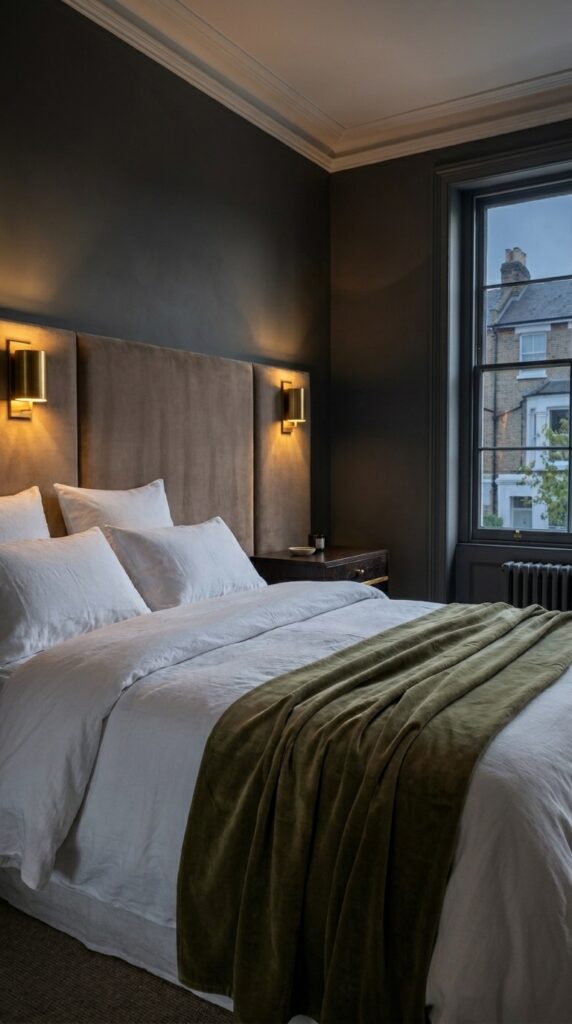
If your design aesthetic leans more toward sleek, contemporary urban design, look no further than this moody, striking trio. Charcoal gray walls wrap the bedroom in a cozy, cocoon-like atmosphere that is perfect for deep sleep. To prevent the dark walls from feeling oppressive, soft taupe is introduced through large-scale rugs and upholstered headboards.
The element that pulls the entire look together is brushed brass hardware. The metallic warmth cuts through the cool charcoal tones, instantly elevating the entire aesthetic into a premium hotel-like experience.
- Where it works best: Urban apartments, lofts, or moody guest rooms.
- Styling guidance: Install sleek brass plug-in wall sconces on either side of the bed to highlight the wall’s undertones.
- Design impact: Delivers high-contrast, sophisticated drama that feels incredibly intimate during evening hours.
4. Dusty Blush, Muted Olive, and Crisp White
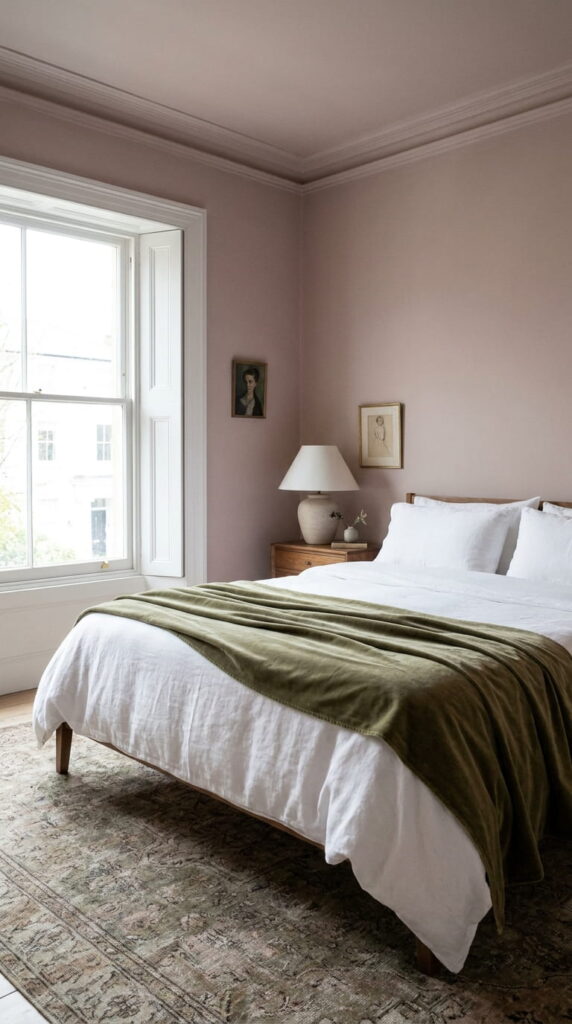
Forget every outdated notion you have about pink rooms being reserved exclusively for nurseries. When you choose a dusty blush with heavy gray undertones, it behaves like a sophisticated neutral with a romantic, calming soul. Pairing this soft backdrop with a sophisticated muted olive green grounds the space instantly, preventing it from feeling overly sweet or sugary.
Crisp white bedding acts as a visual palette cleanser, keeping the overall look sophisticated, fresh, and intentionally curated. Experts at House Beautiful frequently note that pairing unexpected complementary tones like pink and green creates a dynamic, designer-forward space.
- Where it works best: Historic homes with character or creative guest bedrooms.
- Styling guidance: Opt for an olive green velvet accent chair or an olive green linen duvet cover contrasted against blush walls.
- Common mistake to avoid: Choosing a blush paint that is too bright. Always test swatches on the wall to ensure it looks dusty, not neon.
5. Midnight Navy, Caramel Leather, and Soft Ivory
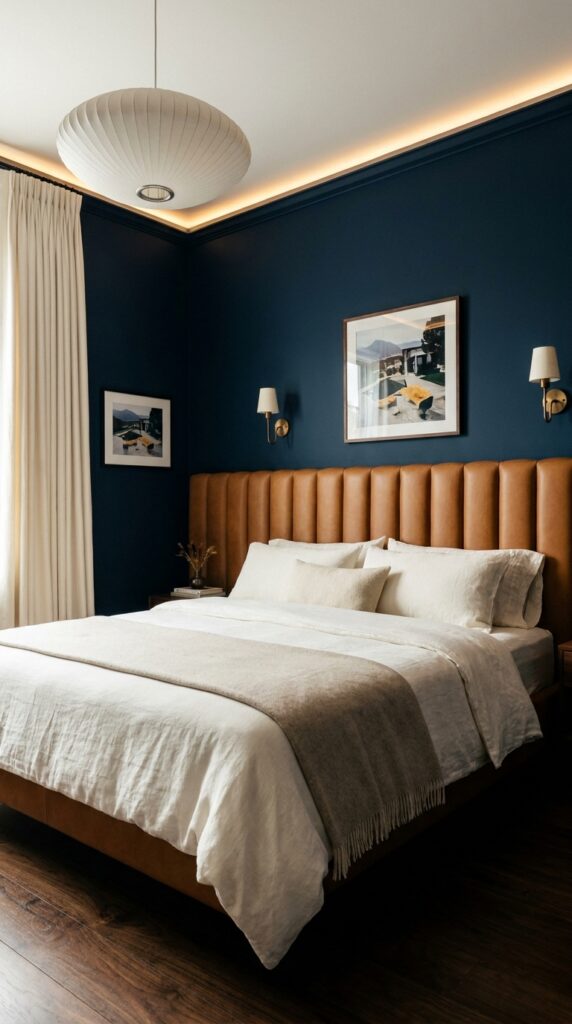
Few colors evoke a sense of deep, royal luxury quite like midnight navy. It is a bold choice for a bedroom, but when executed correctly, it feels completely timeless. The trick to keeping a navy bedroom warm and livable is pairing it with the rich, honeyed tones of genuine caramel leather.
Whether it is a sleek headboard, a bench at the end of the bed, or a tailored lounge chair, the leather introduces a gorgeous mid-century modern warmth. Soft ivory drapes and bedding break up the dark expanses, ensuring the room feels balanced during the day.
- Where it works best: Spacious bedrooms with high ceilings and traditional architectural molding.
- Styling guidance: Hang long, pooling ivory curtains close to the ceiling to contrast sharply against dark navy walls.
- Design impact: Feels stately, incredibly secure, and tailored—like a beautifully crafted custom suit.
Read Also: 15 Cute Blue Rugs for Bedrooms That Are Cozy, Stylish, and Hard to Resist
6. Pale Sky Blue, Crisp White, and Light Ash Wood
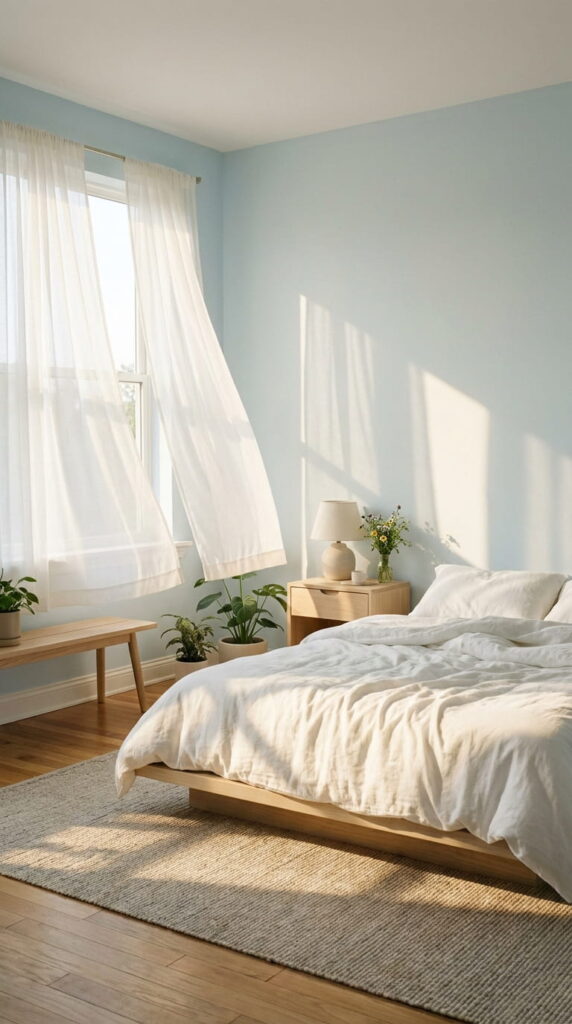
For anyone who struggles with early morning anxiety or trouble winding down at night, this breezy, coastal-inspired palette is the ultimate antidote. Pale sky blue reflects natural light beautifully, making even the smallest, most cramped bedrooms feel airy and expansive.
Crisp white sheets and light ash wood nightstands reinforce the bright, uncomplicated nature of this color scheme. It is a highly minimalist approach that relies heavily on a clean, uncluttered layout to let the soothing, ethereal tones do the heavy lifting for your mental state.
- Where it works best: Small bedrooms, cottages, or sunrooms converted into sleeping quarters.
- Styling guidance: Keep decor incredibly minimal; style with a few light wood frames and soft white linen curtains.
- Design impact: Channels the clear, unburdened expansiveness of a serene beach morning or a cloudless sky.
7. Rich Chocolate Brown, Warm Camel, and Alabaster
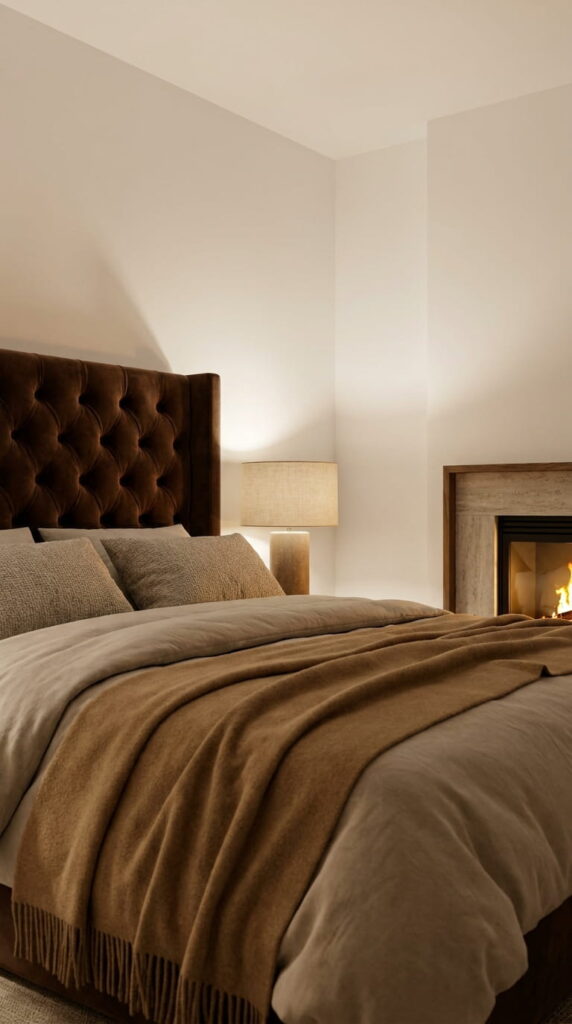
Chocolate brown is experiencing a massive renaissance in the luxury interior design world right now, stepping into the spotlight as the ultimate cozy neutral. It is far softer than black but carries an incredible amount of vintage depth.
Layering it with warm camel wool blankets and crisp alabaster sheets creates a delicious, multi-dimensional look that feels expensive and comforting. This palette relies heavily on the play of light and shadow, making it a dream for spaces that feature layered ambient lighting.
- Where it works best: Principal bedrooms looking for an upscale, cozy update.
- Styling guidance: Use an alabaster white paint on the walls and bring chocolate brown in through a plush velvet headboard and drapes.
- Design impact: Delivers a warm, mid-century-inspired elegance that feels deeply grounded and high-end.
8. Dusty Plum, Warm Pewter, and Antique Gold
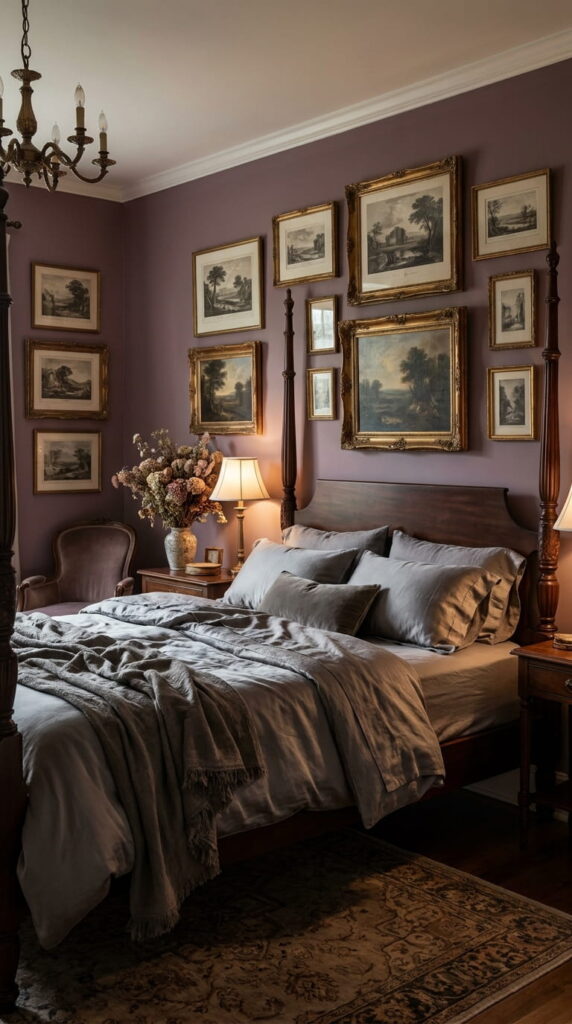
If you want a bedroom that tells a story of old-world romance and curation, dusty plum is your perfect starting point. This is not a bright purple; it is a vintage, gray-kissed shade that feels mysterious and deeply soothing.
Pairing it with warm pewter textiles keeps the palette sophisticated and modern, while antique gold frames and light fixtures introduce a brilliant touch of vintage glamour. It is an incredibly soulful combination that pairs beautifully with moody landscape art prints and mismatched vintage furniture finds.
- Where it works best: Older homes with original architectural details or eclectic spaces.
- Styling guidance: Frame vintage sketch art in ornate antique gold frames and hang them on a plum feature wall.
- Common mistake to avoid: Using shiny, modern chrome fixtures, which will clash aggressively with the vintage warmth of plum.
9. Eucalyptus Green, Soft Sand, and Distressed Iron
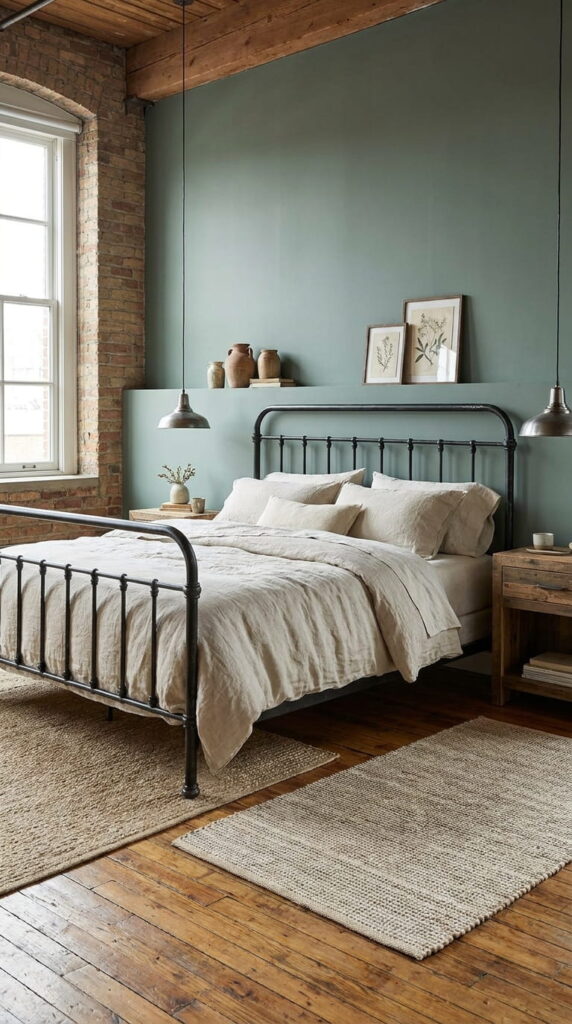
This color story is all about celebrating raw, industrial elements balanced by soft, botanical tones. Eucalyptus green offers a silvery, muted approach to color that acts as a gorgeous bridge between gray and green.
Soft sand tones in the flooring and area rugs keep the space rooted in nature, while a distressed iron bed frame adds a touch of structural contrast. It is a brilliant option for anyone who loves an understated, rustic look that does not feel overly rugged or heavy.
- Where it works best: Guest bedrooms, loft spaces, or airy modern homes.
- Styling guidance: Hang a black iron chandelier or install matte black metal hardware to ground the soft eucalyptus walls.
- Design impact: Balances clean, modern structure with a soft, organic color story for ultimate peace.
10. Classic Greige, Crisp White, and Matte Black
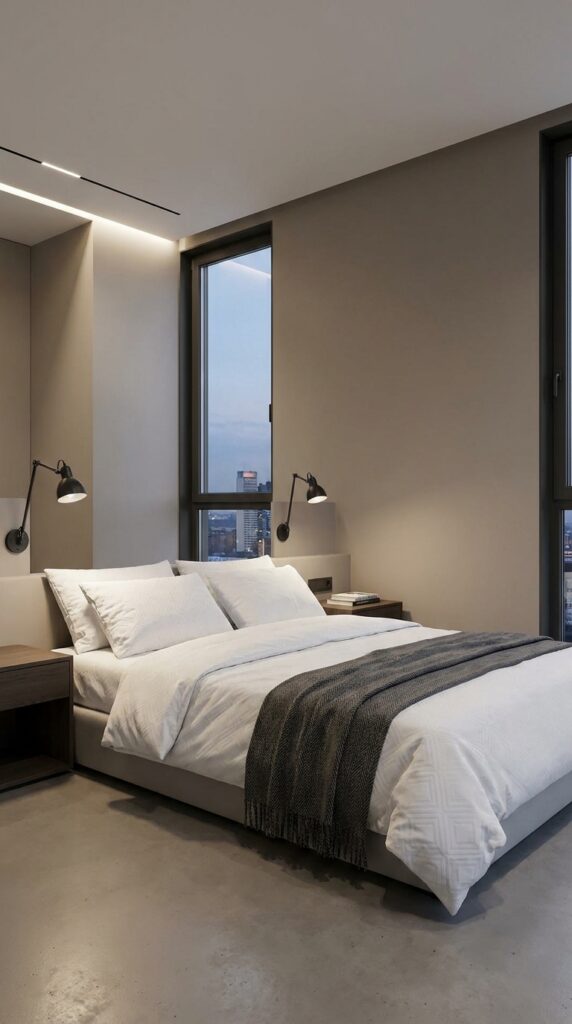
Can’t decide between gray and beige? Greige is the interior design world’s favorite compromise. It adapts beautifully to changing lighting conditions throughout the day, leaning warm in the afternoon sun and cool in the evening.
To keep a greige room from feeling generic or boring, designers use crisp white bedding to establish a clean foundation and inject sharp pops of matte black through lighting, window trims, or hardware. This graphic contrast gives the neutral room a modern architectural edge.
- Where it works best: Minimalist, modern, or open-concept bedroom suites.
- Styling guidance: Keep the walls greige, use pure white bedding, and choose thin, architectural matte black bedside lamps.
- Design impact: Achieves a highly tailored, clean look that allows your mind to completely rest without visual distraction.
Read Also: 14 Plant Wall Art Ideas to Make Your Home Feel Fresh and Beautiful
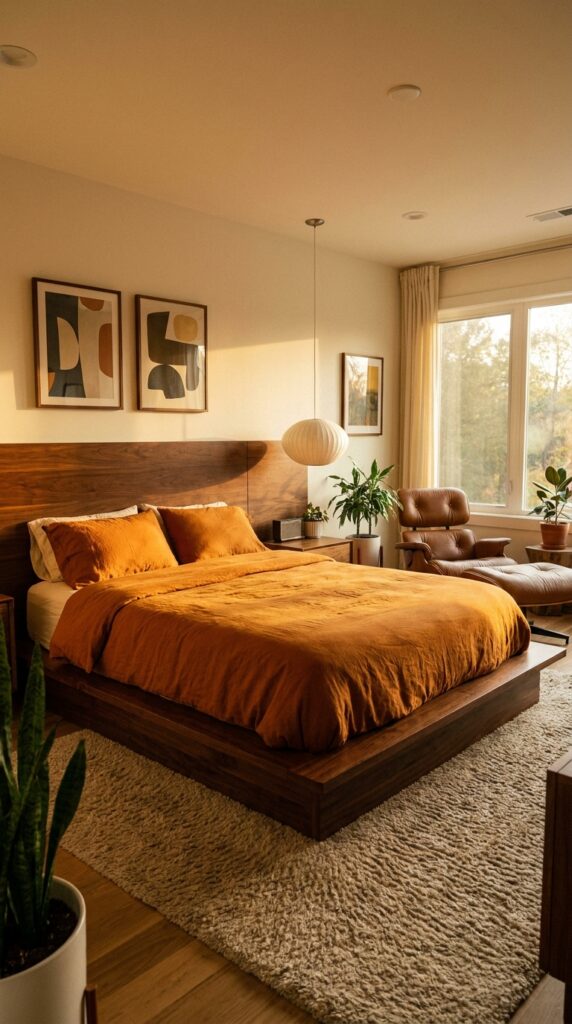
11. Burnt Amber, Soft Cream, and Deep Walnut
For a bedroom that feels like autumn all year round, burnt amber provides an incredible wealth of visual warmth. This deep, spicy orange tone works best when confined to a focal wall or large-scale textiles like a heavy duvet cover.
Balancing the fiery energy of amber with calm cream walls keeps the bedroom feeling balanced and serene, while deep walnut wood furniture brings an indispensable element of mid-century sophistication and gravity to the layout.
- Where it works best: Mid-century modern homes or cozy, north-facing bedrooms.
- Styling guidance: Place a walnut wood dresser against a soft cream wall and accent it with amber glassware or candles.
- Design impact: Radiates an inviting, radiant warmth that makes crawling into bed on a cold night feel incredibly luxurious.
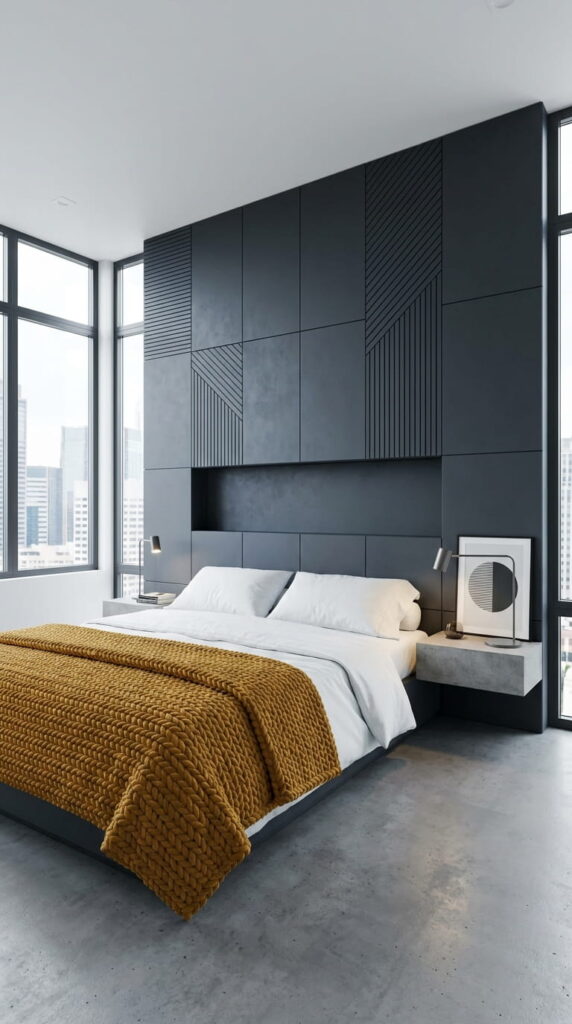
12. Mustard Yellow, Slate Gray, and Pure White
Yellow in a bedroom can be incredibly tricky to pull off without looking childlike, but the secret lies in choosing a rich, desaturated mustard or ochre shade. When you pair this sun-warmed tone with cool, anchoring slate gray, the relationship balances perfectly.
The slate gray tempers the vibrant energy of the mustard, while pure white elements ensure the entire combination stays fresh, bright, and highly contemporary.
- Where it works best: Creative spaces, teenagers’ rooms, or bright guest suites.
- Styling guidance: Use slate gray for the headboard or curtains, and inject mustard yellow via a knit throw blanket or abstract art.
- Common mistake to avoid: Using a bright primary yellow, which can overstimulate the brain and disrupt sleep patterns.
13. Soft Lavender, Warm Dove Gray, and Silver Leaf
Lavender is making a massive comeback in sophisticated adult spaces, far away from its historical associations with country kitsch. Modern interior designers treat soft lavender almost like a cool gray with a hidden, romantic soul.
When mixed with warm dove gray linens and delicate silver leaf accents on mirrors or furniture trim, the result is an incredibly serene, elegant retreat that feels light, airy, and beautifully curated.
- Where it works best: Elegant master suites or feminine guest retreats.
- Styling guidance: Choose a subtle lavender wallpaper with a delicate, small-scale pattern or keep it simple with solid lavender linen pillows.
- Design impact: Promotes an incredibly peaceful, meditative atmosphere that feels distinct and tailored.
14. Terracotta, Desert Sand, and Sage Accent
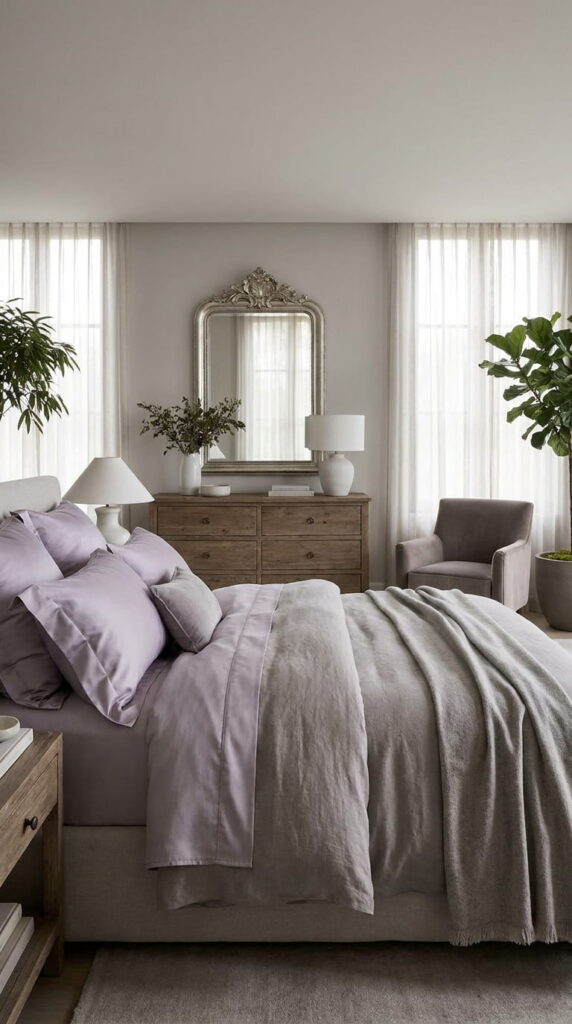
Inspired by the raw beauty of southwestern landscapes, this palette relies on warm, sun-baked tones to cultivate an inviting, cozy atmosphere. Terracotta brings a rich, clay-like warmth to the room, while desert sand tones on the walls and flooring keep the space bright and open.
A subtle pop of sage green through a live potted plant or an accent pillow adds the perfect touch of cool contrast, mimicking a desert oasis.
- Where it works best: Bohemian-inspired spaces or sunlit bedrooms.
- Styling guidance: Layer woven rugs in shades of sand and terracotta, and accessorize with terracotta pottery and fresh eucalyptus branches.
- Design impact: Imbues the room with a relaxed, globally-inspired warmth that feels casual and deeply comforting.
15. Forest Green, Brass, and Warm Cognac
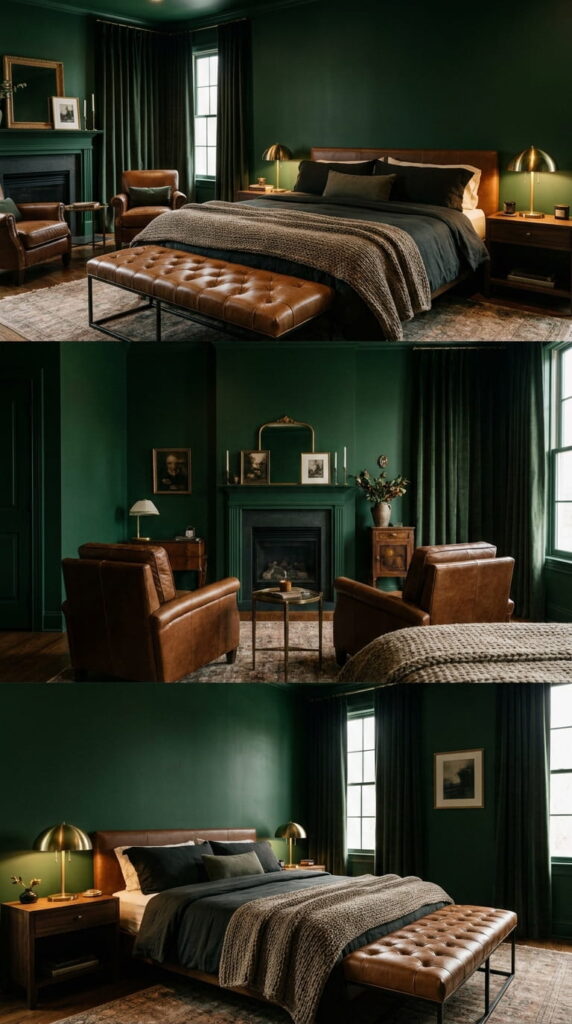
If you want a bedroom that feels like a moody, high-end library or an exclusive boutique hotel, forest green is your golden ticket. It is a deeply saturated, authoritative hue that instantly makes a room feel secure and quiet.
Pairing it with the rich, glowing warmth of polished brass light fixtures and warm cognac leather accents creates a stunning visual depth that looks incredibly premium, especially when hit by low evening lighting.
- Where it works best: Moody dens, master bedrooms, or masculine design spaces.
- Styling guidance: Paint all four walls forest green—including the baseboards—and accent with a cognac leather bench at the foot of the bed.
- Design impact: Feels profoundly grounding, rich, and private, offering a total escape from the outside world.
Read Also: 15 Floral Bedding Ideas for a Fresh and Stylish Bedroom
FAQs: Expert Bedroom Color Schemes & Styling
Conclusion
At the end of the day, your bedroom should not be designed to please anyone but you. Trends come and go, but the way a specific color combination makes you feel when you turn off your bedside lamp is what truly matters. Whether you find solace in the crisp, quiet simplicity of an organic greige or prefer to wrap yourself in the dramatic luxury of a deep forest green, choosing a designer-approved palette gives you the perfect roadmap to success. Grab a few paint swatches, test them out under your home’s unique light, and take the first step toward building the restful, beautiful sanctuary you deserve.




One comment