
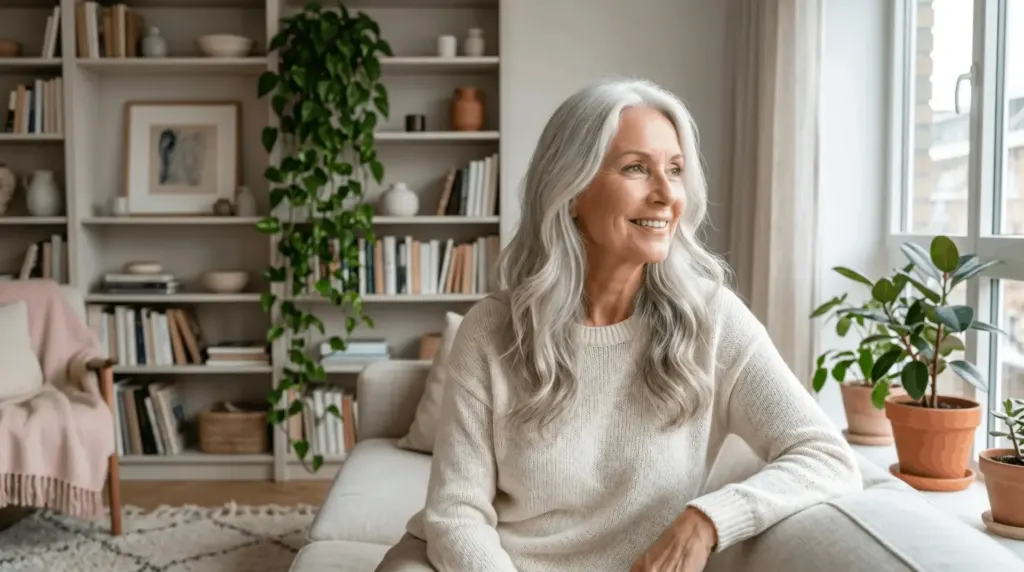
There is something deeply satisfying about a haircut that falls into place without a long styling routine. You wake up, run your fingers through your hair, add a touch of lightweight styling cream, and feel ready to step outside with confidence.
The best low maintenance hairstyles for women over 60 work with your natural texture rather than asking you to fight it. Whether your hair has become finer, settled into soft silver waves, or still feels thick and full, the right cut can bring shape, movement, and ease back into your routine.
This guide is not about chasing a younger look. It is about finding a hairstyle that feels polished, flattering, and completely comfortable in everyday life.
Why Low-Maintenance Hairstyles Matter After 60
A good haircut should support your lifestyle. Hair texture and density can change over time, which means a style that once felt effortless may begin to look flat, heavy, or harder to manage.
A low-maintenance haircut solves that problem by building movement directly into the shape. Strategic layers can create soft volume. Clean ends can make fine hair appear fuller. Face-framing sections can soften your features without requiring daily heat styling.
If you feel ready for a shorter, more manageable look, browse these stylish short haircuts for women over 50 for additional salon inspiration.
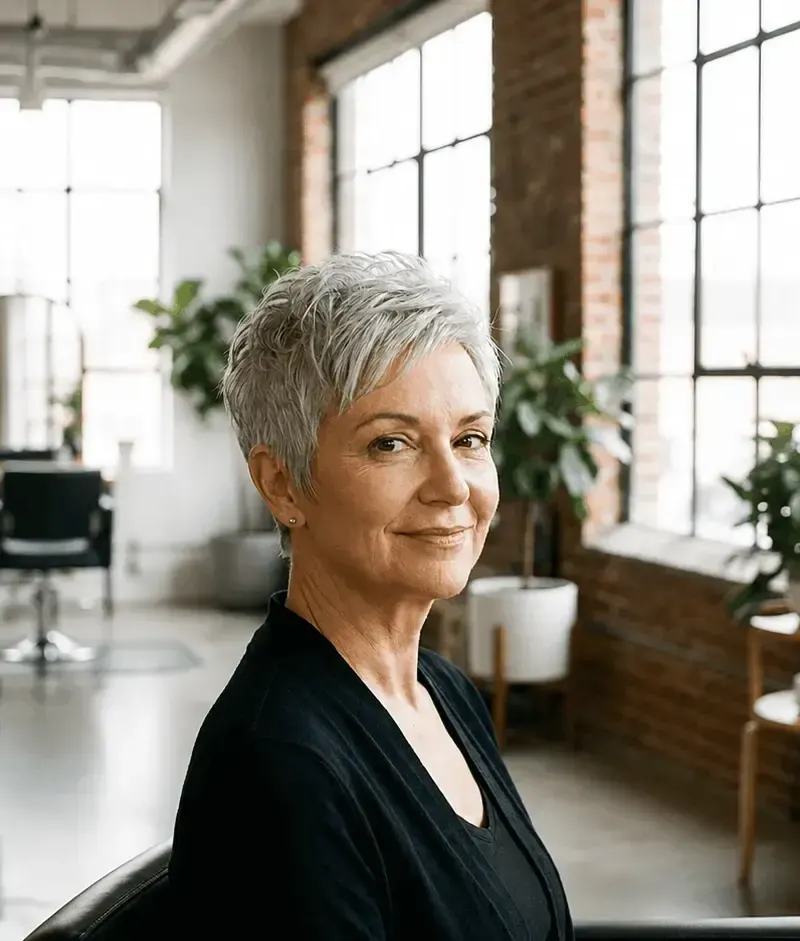
1. Choose a Soft Textured Pixie Cut
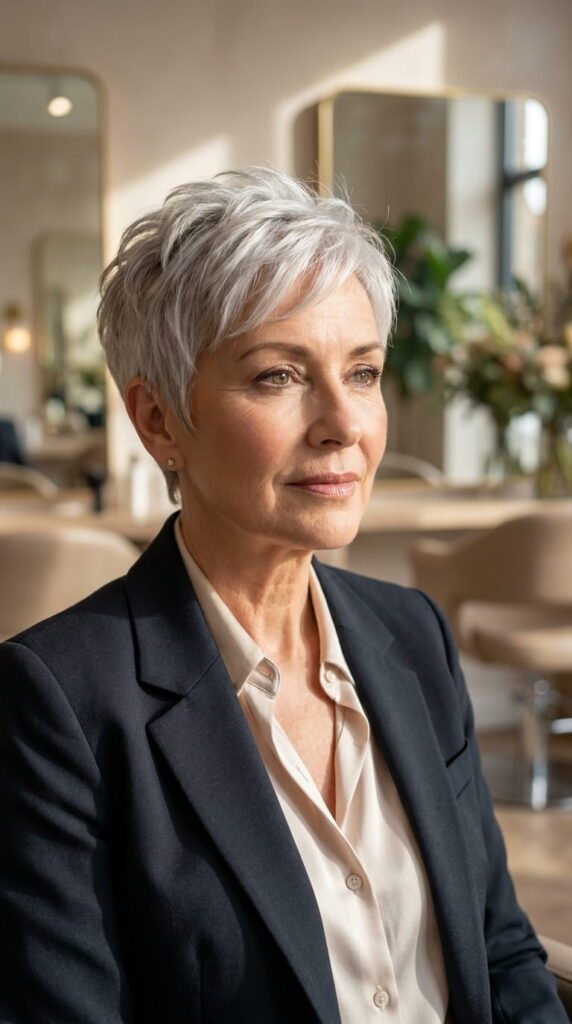
A textured pixie is one of the easiest short hairstyles to manage because it creates movement without requiring much styling time. Soft, feathered layers around the crown prevent the cut from looking too flat or rigid.
This hairstyle works especially well for fine or medium hair. Ask your stylist to leave slightly longer pieces on top and around the temples. That extra softness helps frame the face naturally.
In the morning, rub a pea-sized amount of styling paste between your fingertips and gently separate the layers. Avoid using too much product. Heavy wax can weigh down the shape and remove the airy finish that makes this cut feel fresh.
2. Try a Classic Chin-Length Bob
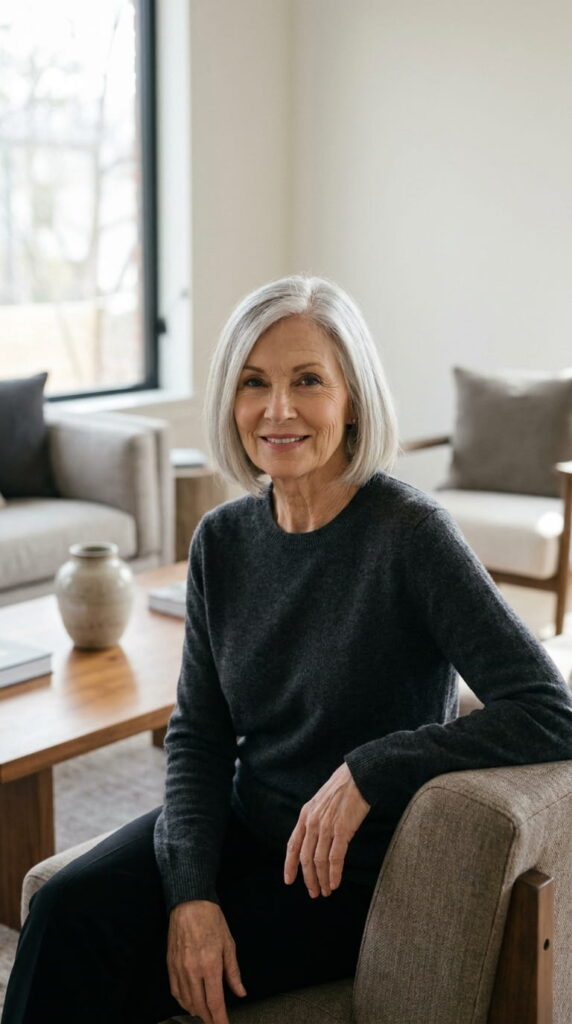
A chin-length bob remains a timeless option because it creates a clean, polished outline without demanding constant upkeep. The length draws attention toward the jawline and works beautifully with straight, softly wavy, or lightly textured hair.
Ask your stylist for a gentle blunt edge if you want your hair to appear fuller. A side part can add lift near the crown, while a center part creates a sharper, more modern effect.
This haircut looks neat after a quick blow-dry, but it can also air-dry well when shaped correctly. Avoid placing the length directly at the widest point of your face. A small adjustment above or below the chin can create better balance.
3. Add Face-Framing Layers to Shoulder-Length Hair
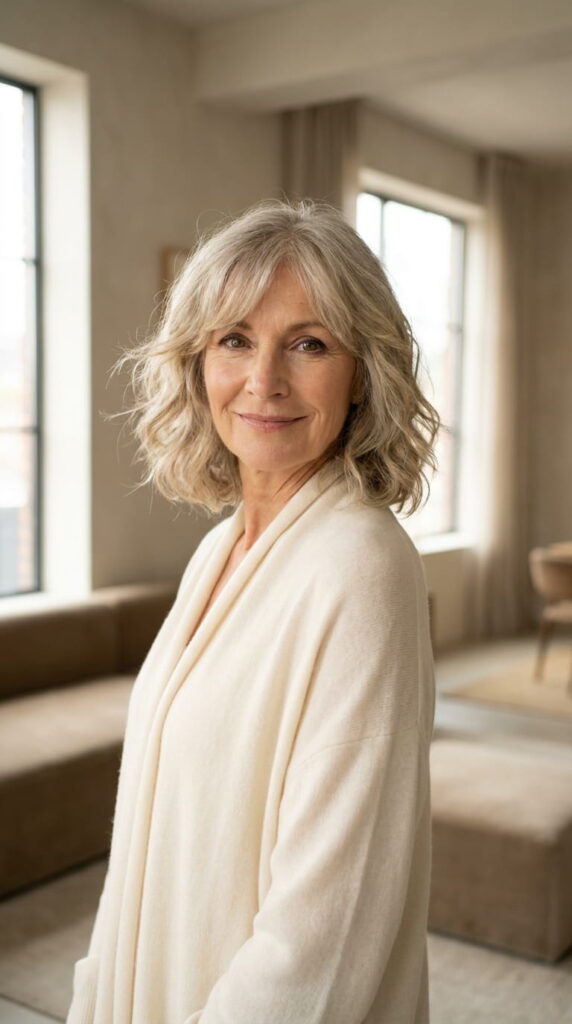
Shoulder-length hair gives you flexibility without the weight and upkeep of very long hair. Soft face-framing layers add movement around the cheeks and jaw while preserving enough length for a low ponytail or simple bun.
This cut works well for women who want a noticeable refresh without losing too much length. Ask your stylist to begin the shortest sections around the cheekbones or just below the chin, depending on your face shape.
Use a leave-in conditioner or lightweight mousse to keep the layers smooth. Avoid adding too many short layers throughout the entire cut. Excessive layering can make fine hair look thinner instead of fuller.
4. Wear a Long Pixie With Side-Swept Bangs
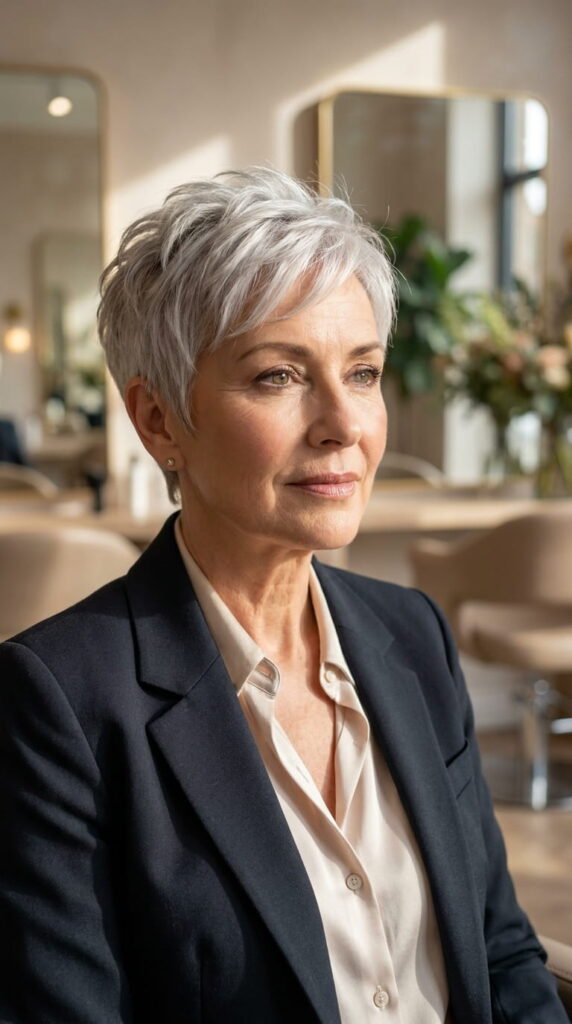
A long pixie gives you the ease of short hair with a little more styling freedom. The side-swept fringe softens the forehead, draws attention to the eyes, and creates gentle movement across the front.
This cut works especially well when you want something feminine but simple. Keep the fringe long enough to sweep naturally toward one side. Use your fingertips or a small round brush while drying to guide the shape.
Avoid choosing a fringe that feels too thick or heavy. A soft, airy finish looks more natural and requires fewer touch-ups. If you want more ideas for balancing fuller cheeks, these haircuts for chubby faces offer useful face-shape-specific inspiration.
5. Embrace a Layered Bob for Natural Volume
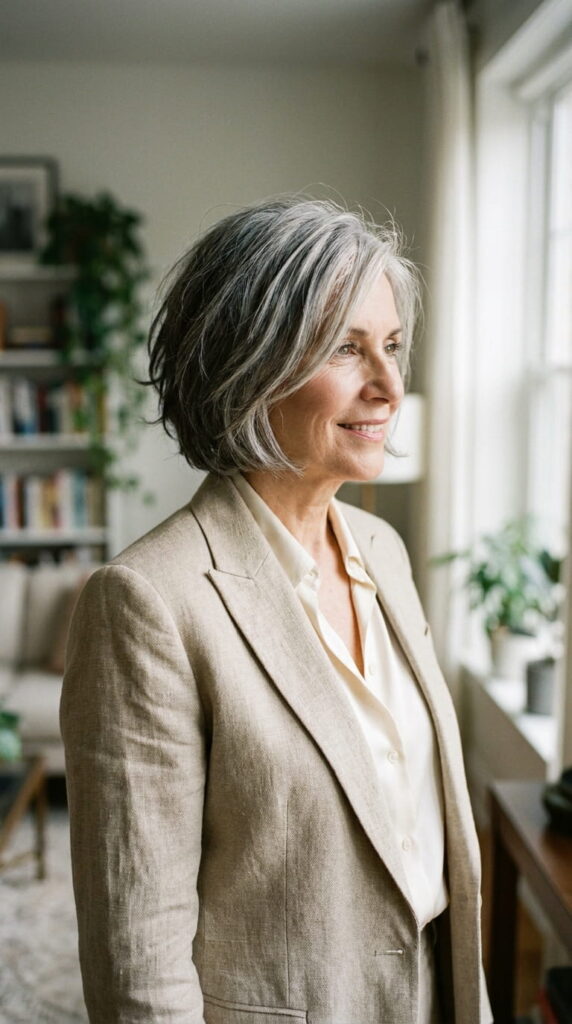
A layered bob gives hair extra bounce while keeping the overall length practical. It works especially well when your hair feels flat near the crown or heavy around the ends.
Ask your stylist for subtle internal layers that create movement without producing a choppy appearance. The strongest version of this cut usually falls between the jawline and shoulders.
If your hair has a natural wave, apply a light mousse and let it air-dry. For straighter hair, add a few loose bends with a curling iron. Avoid over-layering the ends if your hair feels thin. The goal is to create shape while keeping the outline full.
6. Consider a Sleek Blunt Lob
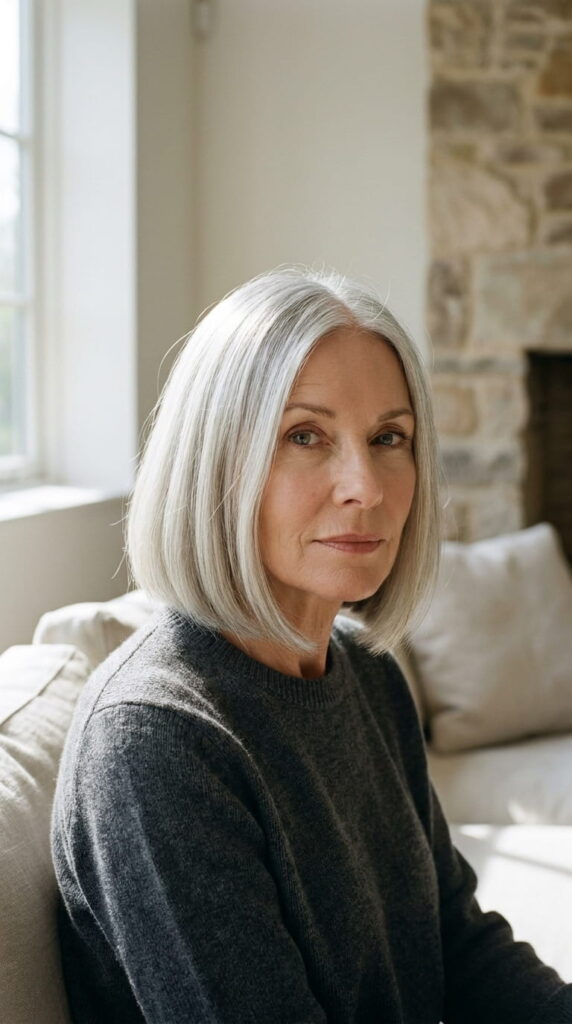
A lob, also known as a long bob, sits near the collarbone and offers one of the most flexible low-effort options. A blunt edge can make fine hair appear thicker because the ends form a strong, defined line.
This style works well for straight hair, soft waves, and anyone who wants enough length to tie their hair back occasionally. Apply a small amount of smoothing serum to damp hair, then air-dry or use a paddle brush for a cleaner finish.
Avoid applying heavy oils close to the roots. They can flatten the shape. Keep moisture-focused products on the mid-lengths and ends to preserve natural lift.
7. Let Natural Curls Shape a Short Rounded Cut
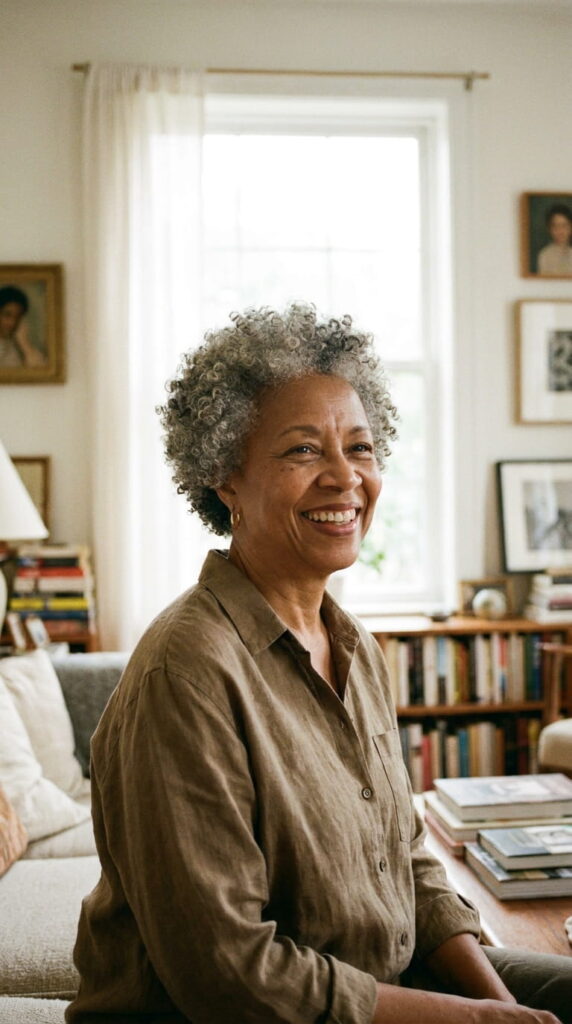
Natural curls create their own personality when the haircut respects the curl pattern. A short rounded cut keeps the silhouette balanced while allowing each curl to form with minimal effort.
This hairstyle works beautifully for curly and coily textures. Ask a stylist with curl-cutting experience to shape the hair while considering shrinkage, density, and movement.
Apply a hydrating curl cream after washing, then gently scrunch the hair while it is damp. Avoid brushing curls after they dry, as this can disrupt definition and create unwanted frizz. A wide-tooth comb during conditioning usually gives a smoother result and keeps the styling routine simple.
8. Try a Modern Bixie Cut
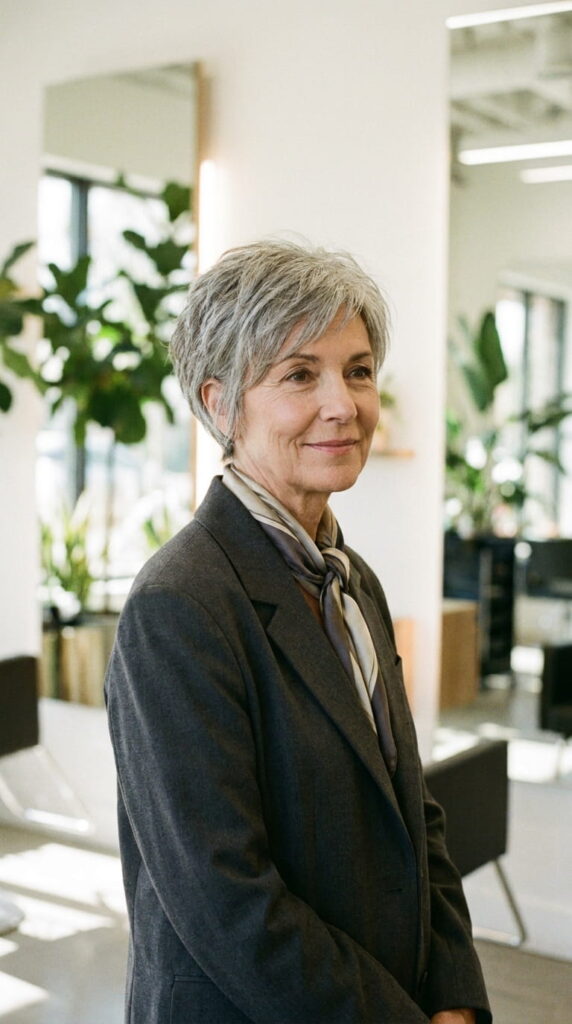
A bixie sits between a bob and a pixie. It feels light, modern, and playful while staying easy to manage. The slightly longer shape adds softness around the ears and neckline, while shorter layers create movement at the crown.
This cut works well for straight, wavy, and gently curly hair. Ask your stylist for a shape that still looks intentional after air-drying.
On busy mornings, apply a little texture spray and lift the roots with your fingertips. Avoid trying to style every strand perfectly. A bixie looks best with a relaxed finish and a little natural movement.
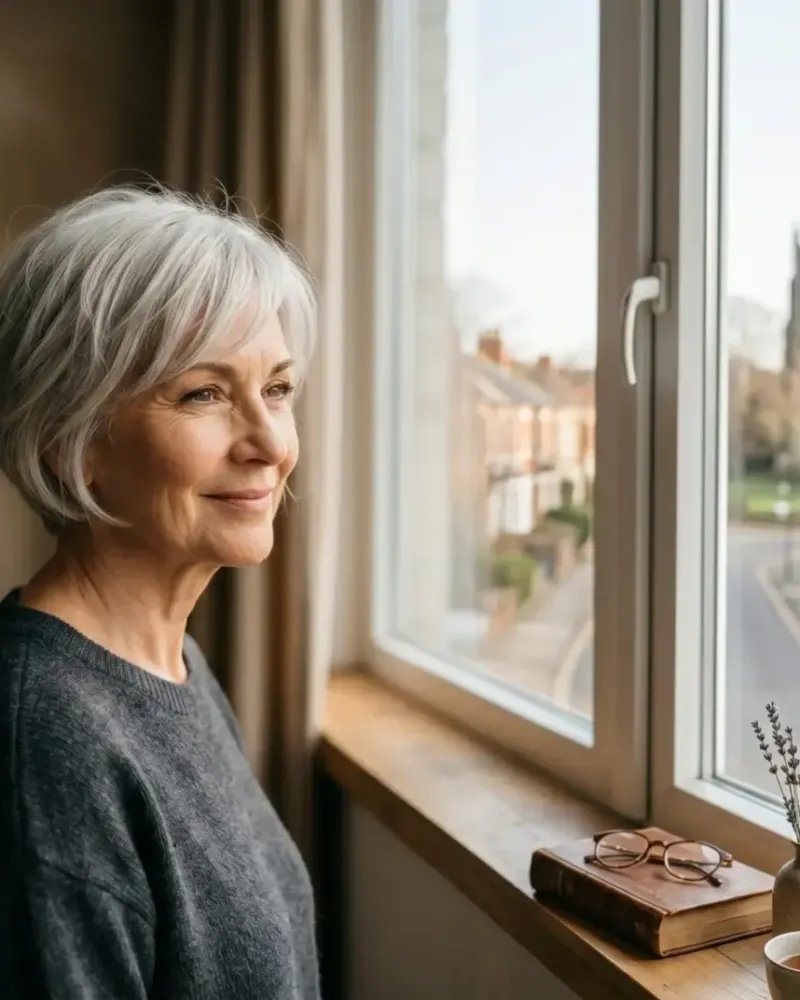
9. Add Wispy Bangs to a Soft Bob
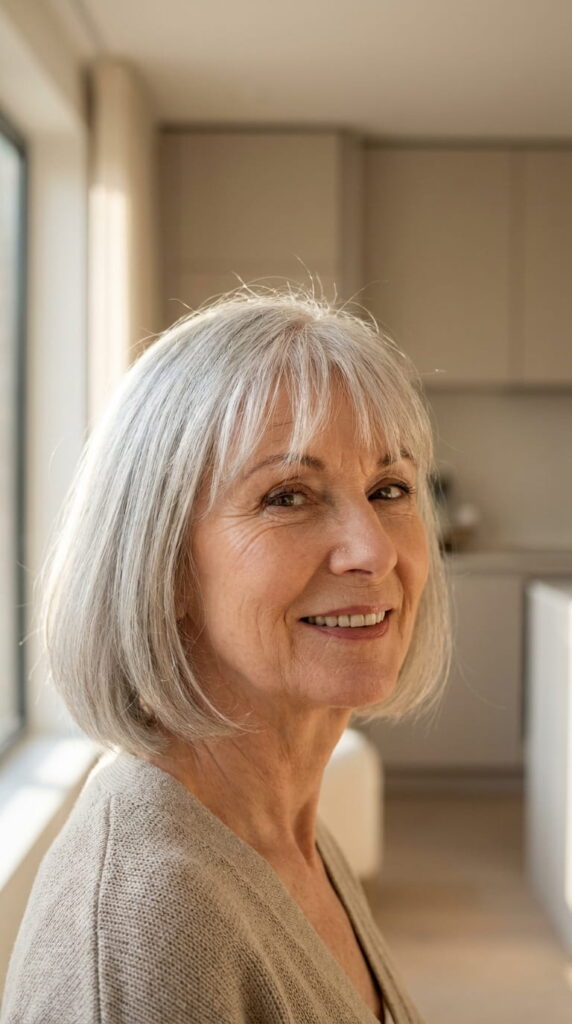
Wispy bangs can refresh a simple bob without making the hairstyle feel high-maintenance. They frame the eyes, soften the forehead, and create a lighter effect than thick, straight-across bangs.
This combination works well for fine or medium hair. Ask your stylist for feathered bangs that blend naturally into the sides of the bob. They should move easily and sit comfortably without requiring constant trimming.
A small round brush can help guide the fringe after washing. Avoid cutting the bangs too wide or too dense. A narrow, airy fringe feels softer and takes less time to manage.
10. Choose a Tapered Crop for a Clean Look
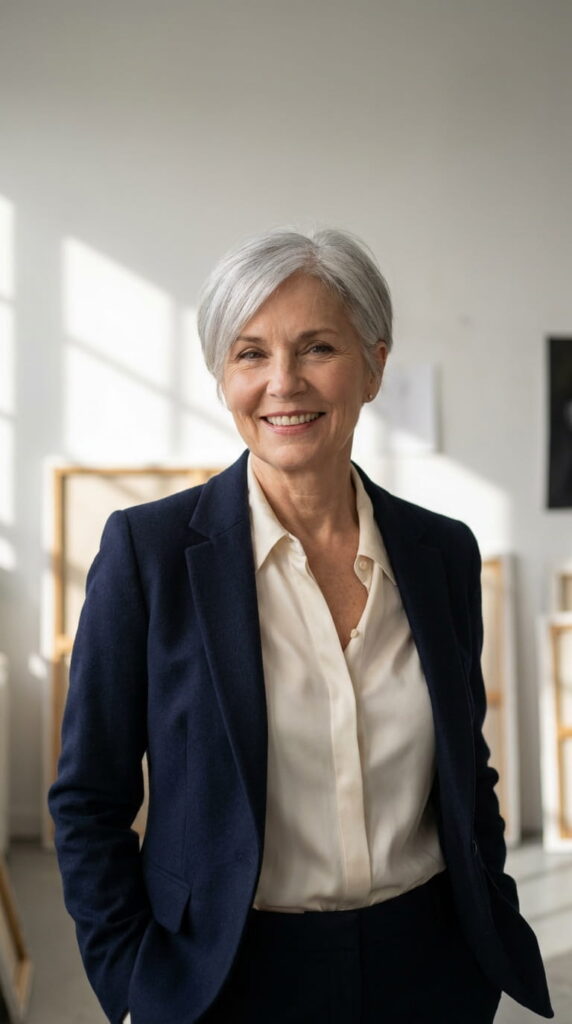
A tapered crop keeps the sides and back neatly shaped while leaving enough length on top for softness and movement. It feels structured without looking severe, which makes it ideal for women who prefer a tidy hairstyle with very little daily styling.
This haircut works well for fine hair, dense hair, and naturally textured hair. Ask your stylist to adjust the top length based on how much flexibility you want.
A small amount of mousse or styling cream can add definition. Avoid creating a harsh contrast between the top and sides unless you want a bolder look. A gradual taper often feels softer and easier to wear.
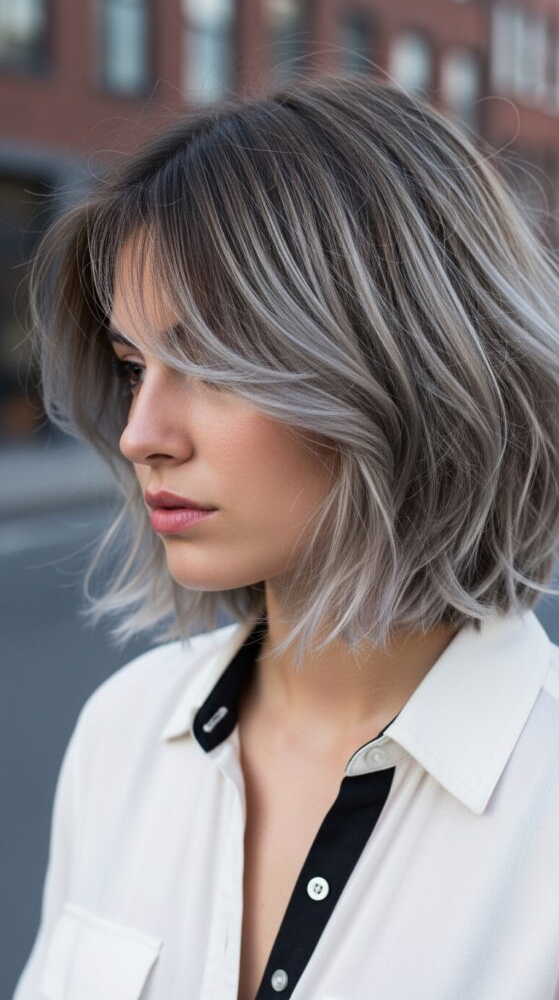
11. Keep Silver Hair Fresh With a Soft Shag
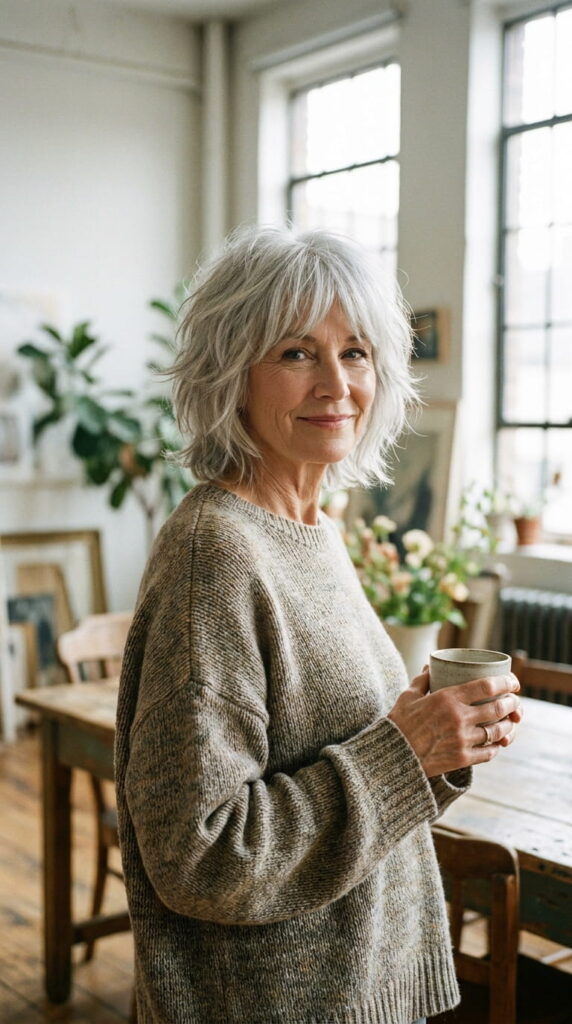
A soft shag brings movement and personality to gray, silver, or salt-and-pepper hair. The layers create an airy shape that works with natural texture instead of forcing every strand into place.
This style suits wavy hair especially well, although it can also add character to straight hair. Ask for longer, blended layers and a light fringe if you enjoy face-framing movement.
Apply a lightweight texture spray and allow the cut to air-dry naturally. Avoid overly short layers at the crown. A gentle approach keeps the haircut modern and prevents an overly teased appearance.
12. Style a Side-Parted Wavy Lob
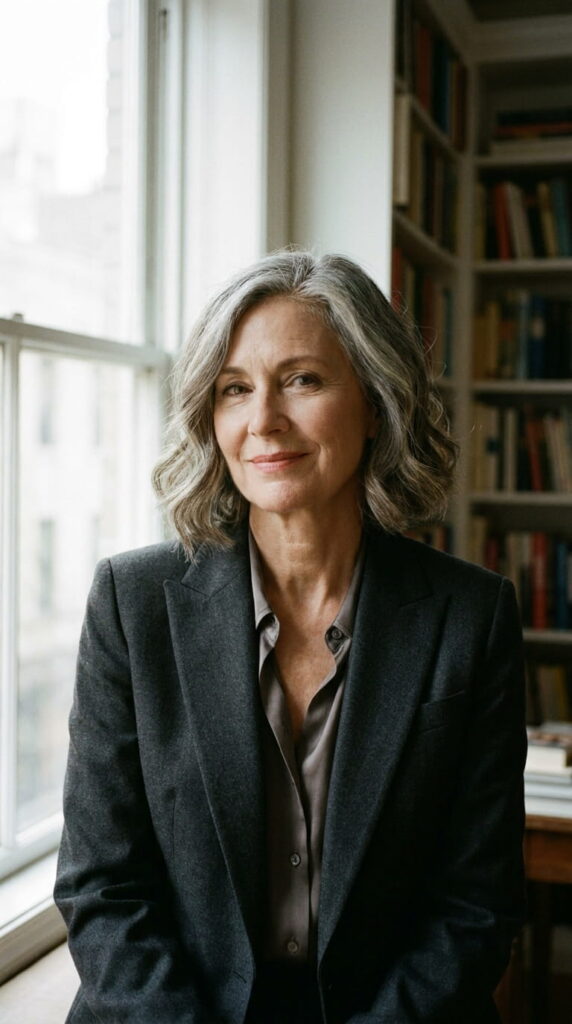
A side-parted wavy lob feels soft, polished, and easy to wear. The deeper part creates natural lift, while loose waves add dimension around the cheeks and shoulders.
This hairstyle works well for medium-density hair and naturally wavy textures. Apply a lightweight mousse to damp hair, scrunch gently, and let the waves air-dry.
If your hair is straighter, add a few loose bends with a large-barrel curling iron instead of curling every section. Avoid creating perfectly uniform waves. A slightly imperfect pattern feels more relaxed and keeps the style looking natural.
13. Try a Feathered Crop for Soft Movement
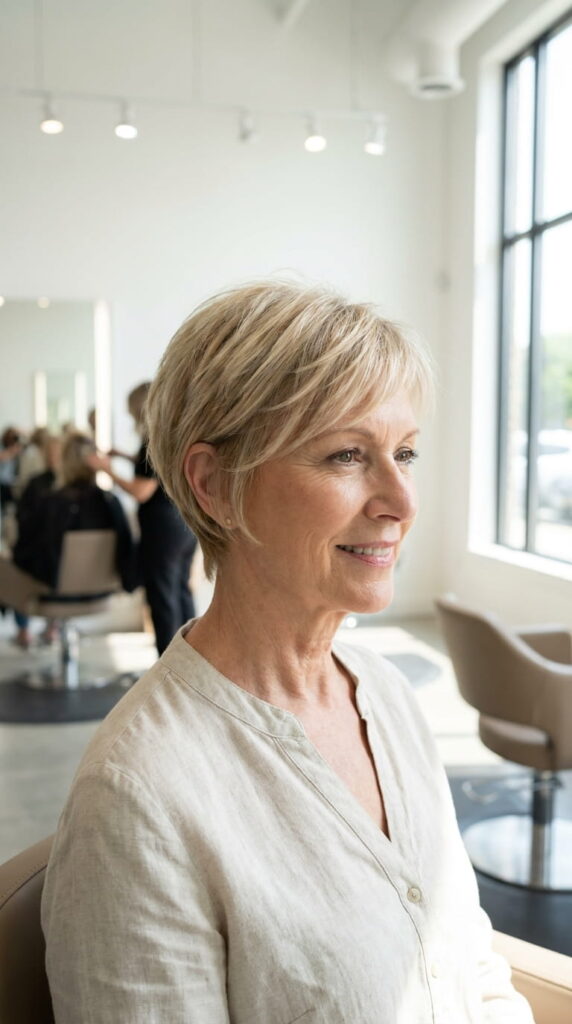
A feathered crop creates lightness through carefully blended layers. The shape works well when you want short hair that still feels soft and feminine around the face.
Ask your stylist to build movement around the crown while keeping the neckline clean. This hairstyle works especially well for straight or slightly wavy hair that tends to fall flat.
Use a small amount of root-lifting mousse to create gentle volume. Avoid applying thick creams or heavy waxes. Feathered layers need movement, and too much product can make the haircut look stiff.
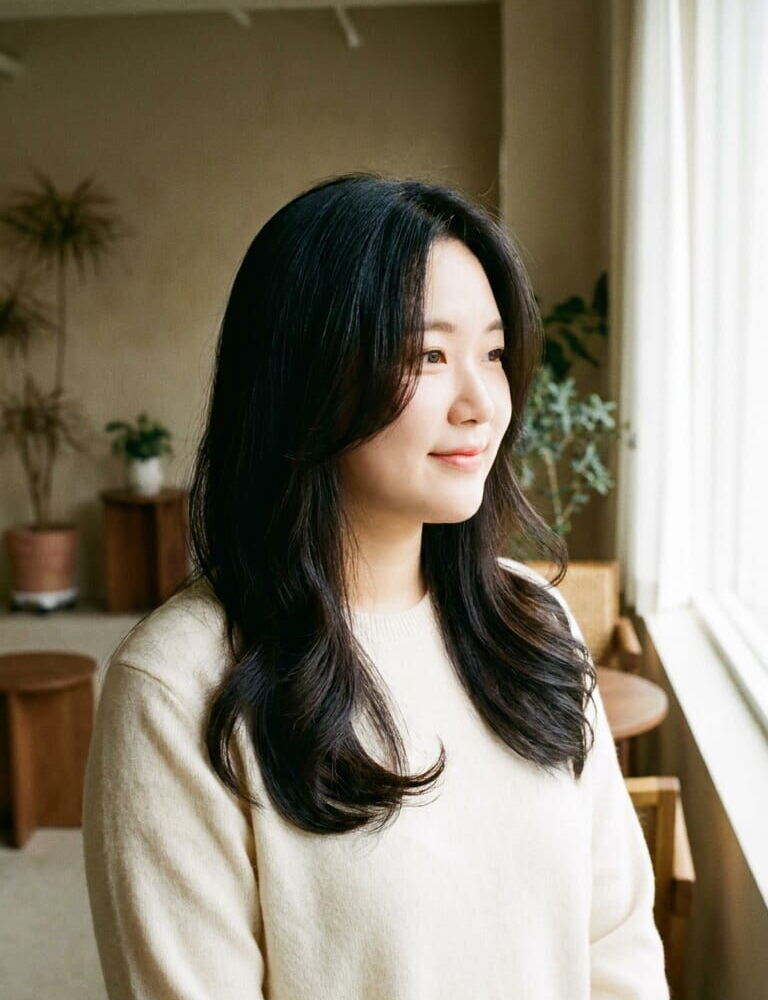
14. Keep Longer Hair With Gentle U-Shaped Layers
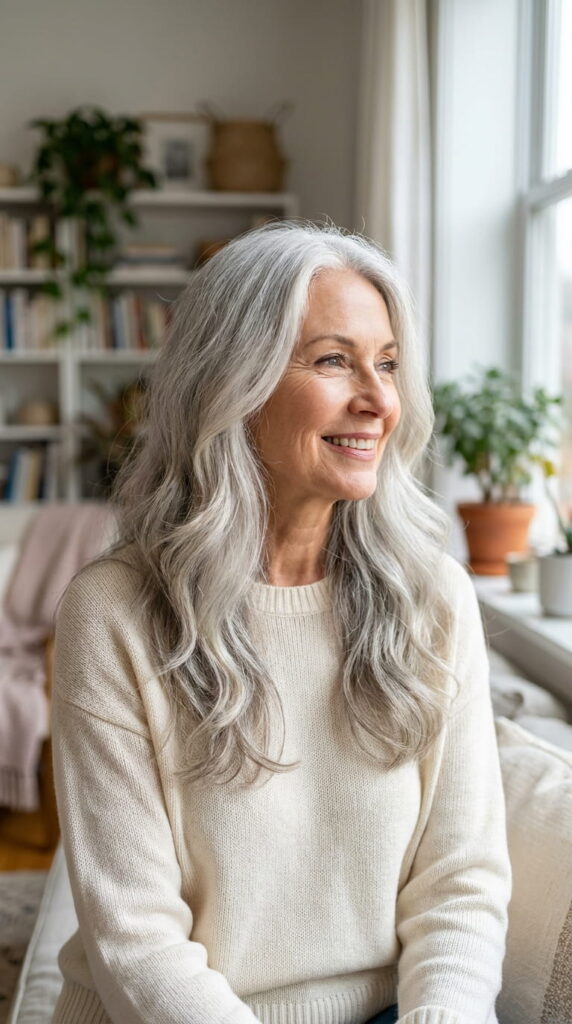
You do not need to cut your hair short after 60. If you enjoy longer hair, a U-shaped cut with subtle layers can keep the ends looking healthy while preserving movement.
This option works well for medium to thick hair, especially if you like wearing a ponytail, low bun, or loose waves. Ask your stylist for long layers that begin below the chin and flow gently toward the ends.
Use a leave-in conditioner to keep the lengths manageable. Avoid aggressive thinning shears if your ends already feel delicate. Gentle shaping usually creates a fuller and more polished result.
15. Choose a Wash-and-Wear Curly Bob
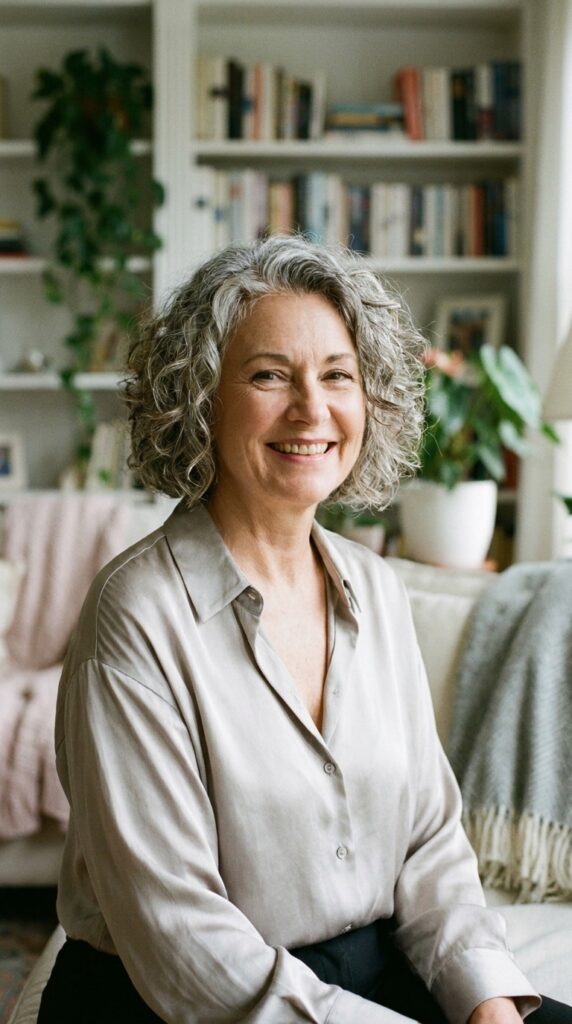
A curly bob creates structure without taking away the natural charm of textured hair. The length usually falls between the jawline and shoulders, which creates a flattering frame around the face.
Ask your stylist to shape the haircut curl by curl, especially if your texture changes across different sections. Apply curl cream while your hair is damp, scrunch gently, and allow the shape to settle naturally.
Avoid choosing a one-length cut without discussing shrinkage. Curly hair can rise noticeably as it dries, so the finished length should guide the haircut plan from the start.
How to Choose the Best Hairstyle for Your Hair Type
The most flattering hairstyle starts with an honest look at your natural texture. A cut that works beautifully for fine, straight hair may require too much styling for dense curls. The opposite can also be true.
Bring a few reference photos to your salon appointment, but choose images featuring hair that looks similar to yours. Ask your stylist how the haircut will air-dry, how often it needs trimming, and which products support the finished shape.
Your preferences may also change over time. For more mature-hair inspiration, explore these flattering haircuts for women over 70, including layered bobs, textured pixies, tapered crops, and feathered lobs.
If you notice sudden or significant thinning, speak with a qualified medical professional. The American Academy of Dermatology explains that identifying the cause of hair loss matters because different causes may require different approaches.
More Hairstyle Inspiration for Your Next Salon Visit
Still deciding which cut suits your routine, face shape, and natural texture? These guides can help you narrow down your options:
- 16 Stylish Short Haircuts for Women Over 50
- Top 15 Haircuts for Women Over 70
- 12 Best Haircuts for Chubby Faces in 2026
FAQs: Low-Maintenance Hairstyles After 60
A Hairstyle Should Make Life Feel Easier
The right haircut does more than frame your face. It supports your routine and helps you feel put together with less effort. A quick brush, a touch of styling cream, and a few quiet minutes can be enough.
These low-maintenance hairstyles for women over 60 offer inspiration, not strict rules. Choose the pixie if you love its lightness. Keep your curls full and expressive. Wear your silver hair in a soft shag. Hold onto your length if it still feels like you.
The most flattering hairstyle is the one that feels natural, comfortable, and completely your own.
3 comments