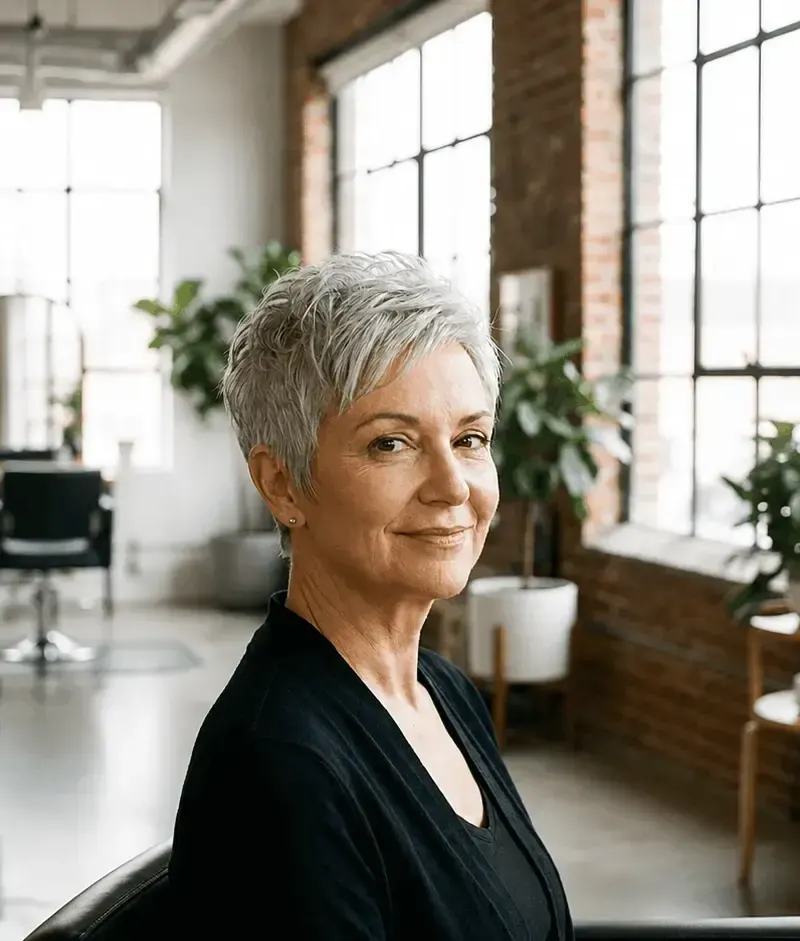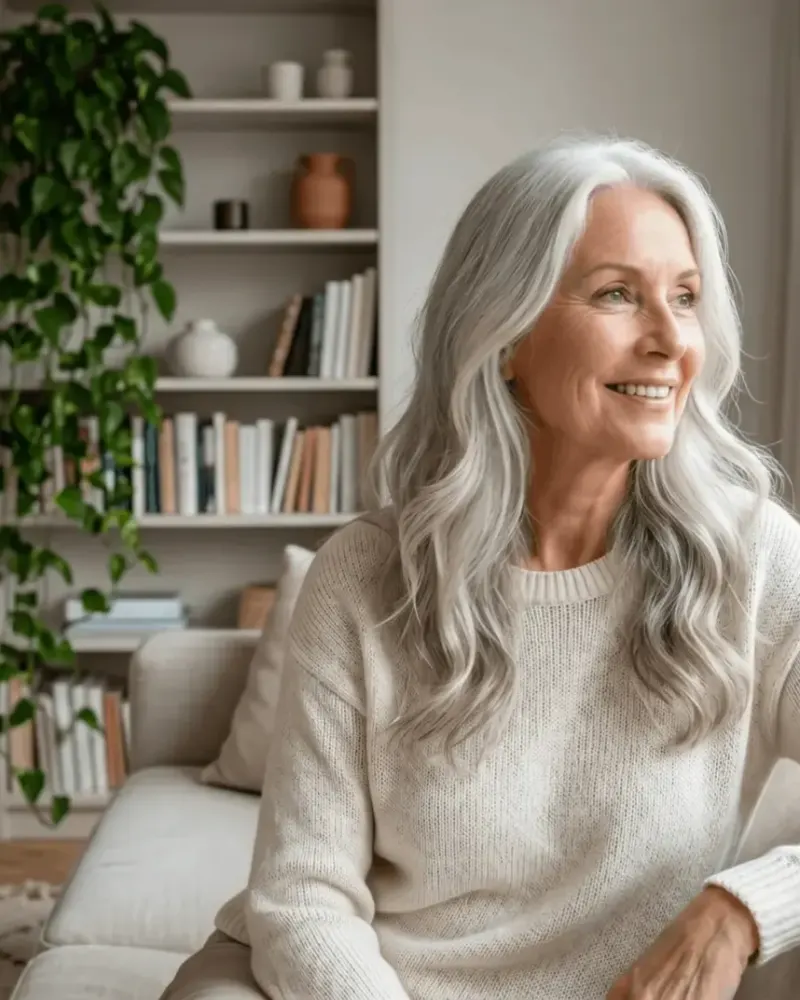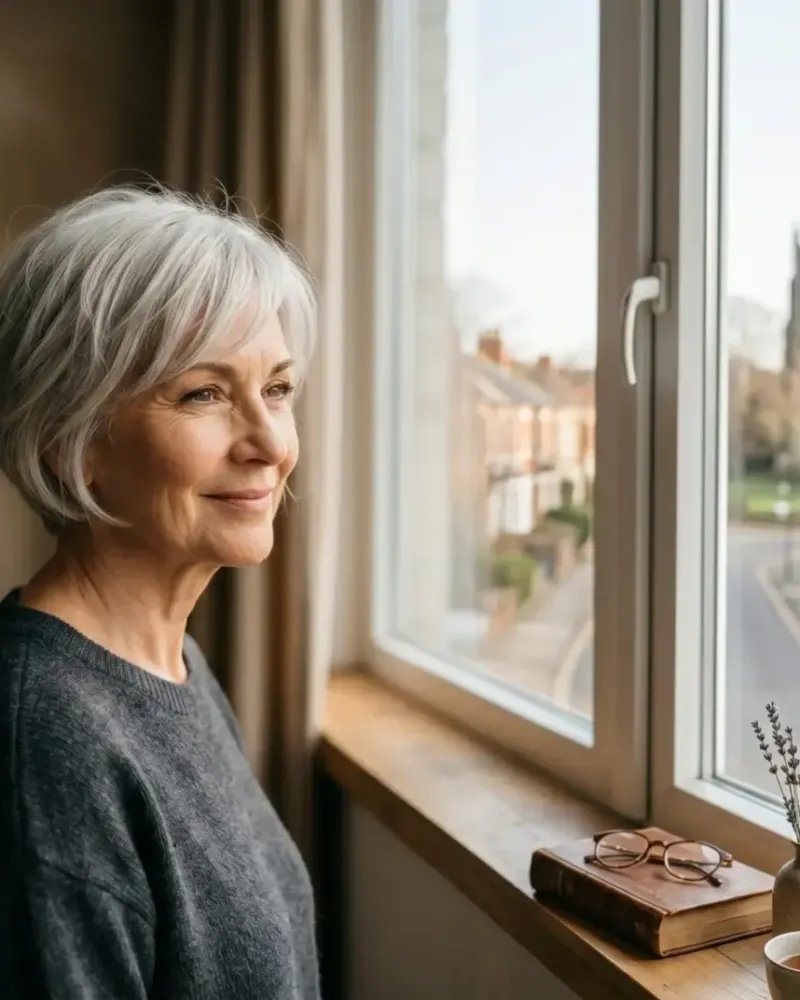
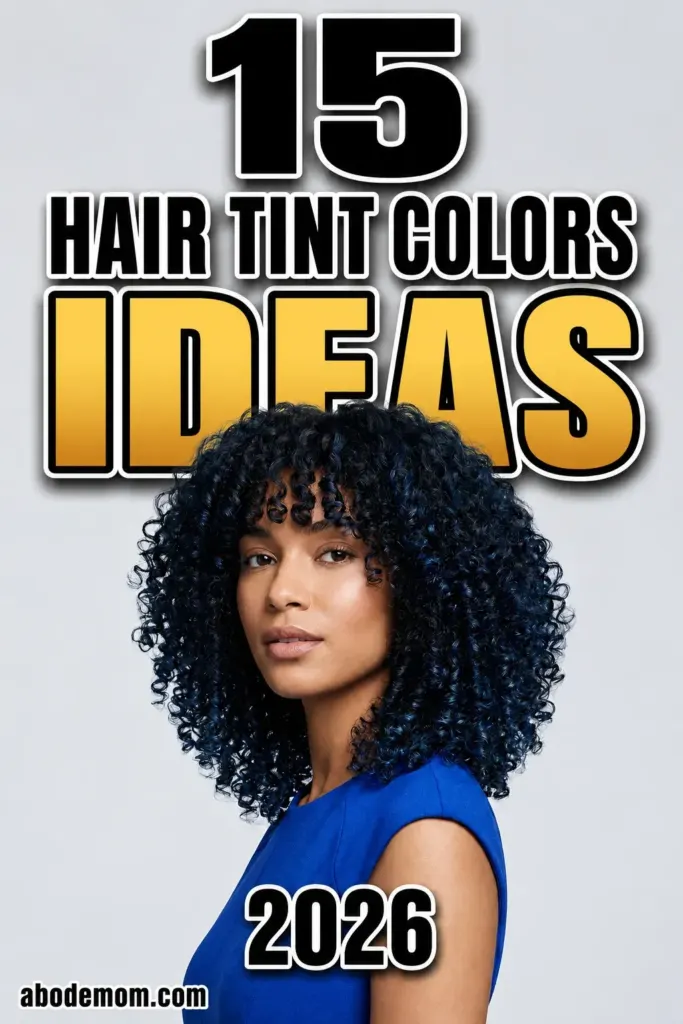
15 Hair Tint Colur appearance, add dimension, or try a new shade without completely changing your personal style. A tint may be soft and natural, like caramel brown, or more expressive, like plum violet or cherry cola. The best result depends on your natural base, skin undertone, hair condition, and how much maintenance fits your routine.
Some shades create a subtle glow in daylight, while others provide richer and more noticeable color. Brunettes can add warmth with chocolate, chestnut, or caramel, while lighter bases can experiment with honey blonde, rose gold, and strawberry tones. For more brown-based inspiration, browse these brunette hair color ideas.
These 15 hair tint ideas include warm, cool, natural, and statement shades for different hair lengths, textures, and lifestyles.
1. Warm Caramel Hair Tint
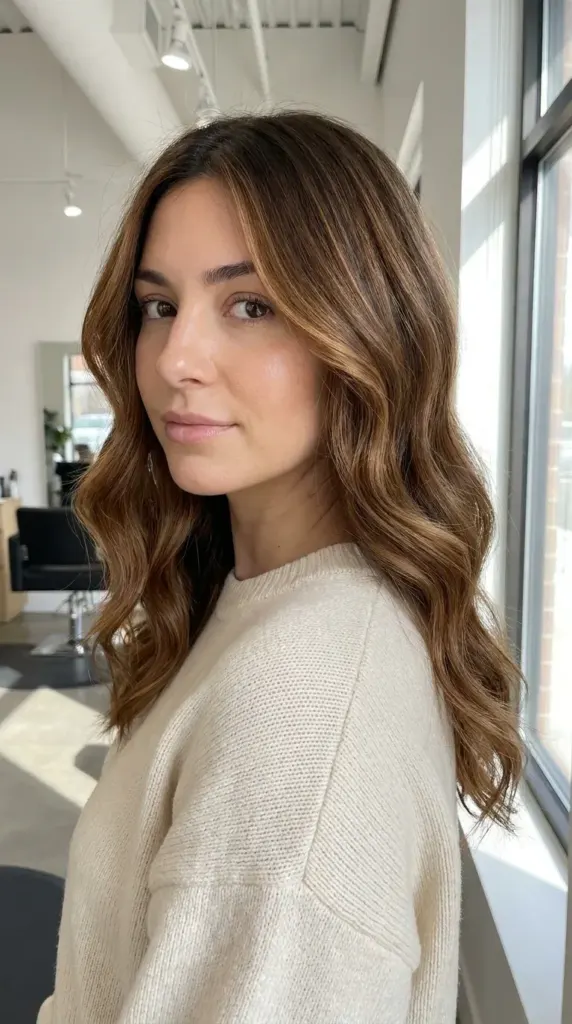
A warm caramel hair tint combines golden brown, amber, and soft honey tones. It is especially flattering on medium brown and dark blonde bases because the color adds brightness without creating a sharp contrast.
Caramel works beautifully on long layers, shoulder-length cuts, wavy lobs, and naturally curly hair. Fine face-framing ribbons can brighten oval, heart, and round faces, while deeper roots keep the overall result soft and balanced.
This shade suits warm, olive, and neutral skin undertones. It is a practical option for anyone who wants noticeable dimension without moving too far from a natural brunette base. Ask for a rooted finish if you prefer easier grow-out. Use a color-safe shampoo and a weekly moisturizing treatment to keep the golden tones glossy rather than dry or brassy.
2. Glossy Chocolate Brown Tint
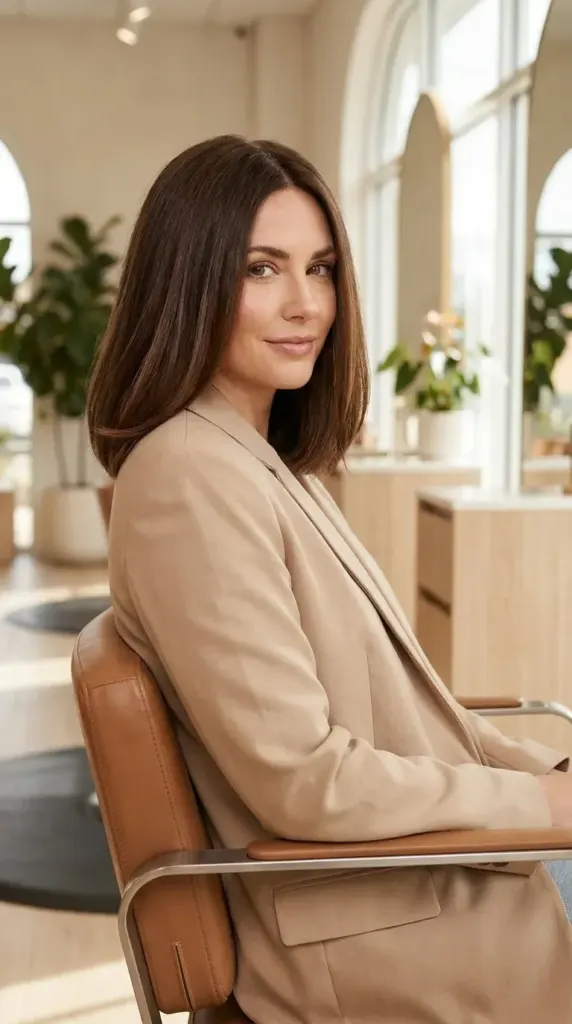
Glossy chocolate brown is a rich, wearable shade that sits between medium brown and deep brunette. It has enough warmth to make the hair look dimensional while remaining suitable for work, formal occasions, and everyday styling.
The color works on straight, wavy, curly, and coily textures. It looks especially polished on blunt bobs, thick shoulder-length hair, long waves, and softly layered cuts. A clear or brown-toned gloss can add reflection without changing the natural base dramatically.
Chocolate brown generally complements warm, neutral, and olive complexions. Cooler skin tones can wear a neutral chocolate formula with less red or gold. To prevent a flat finish, ask for subtle lowlights or tonal variation through the mid-lengths. This hair tint color pairs well with cream, camel, black, burgundy, and earthy wardrobe shades.
3. Deep Espresso Hair Tint
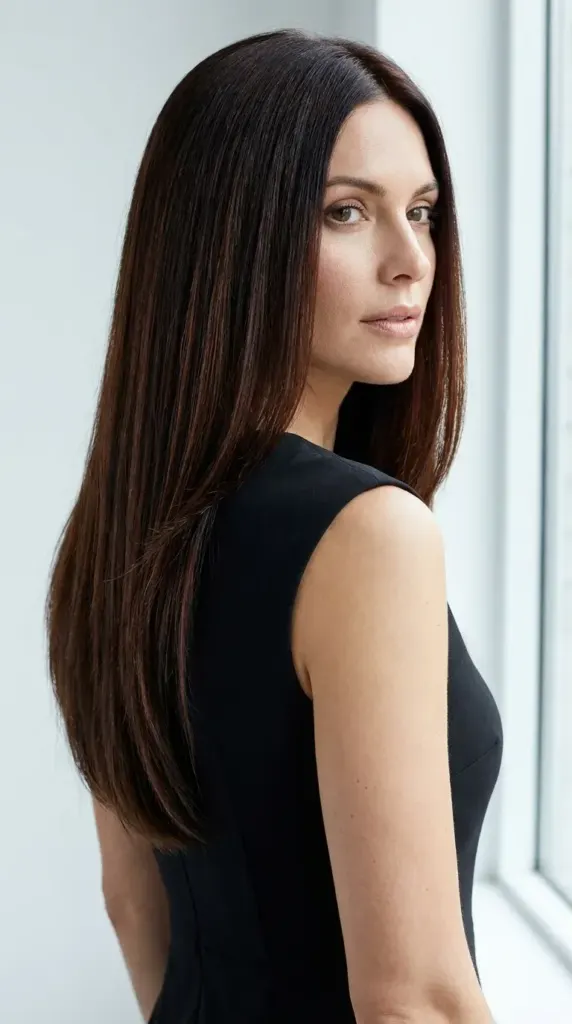
Deep espresso is a dark brown tint that appears almost black indoors but reveals soft brunette depth in natural light. It creates a sleek, polished finish and can make faded dark hair appear richer.
This shade looks striking on straight bobs, long smooth hair, defined curls, and short sculpted cuts. It can flatter oval, square, heart, and long face shapes, particularly when the haircut includes movement around the cheekbones or jaw.
Espresso suits medium, deep, olive, and neutral skin tones. Fair complexions can also wear it, but a stylist may suggest keeping a little softness around the face to avoid an overly harsh contrast. Use shine-enhancing products sparingly and avoid heavy formulas near the roots. Because dark pigments can stain and become difficult to lift later, discuss future color plans with your stylist before committing.
4. Chestnut Auburn Hair Tint
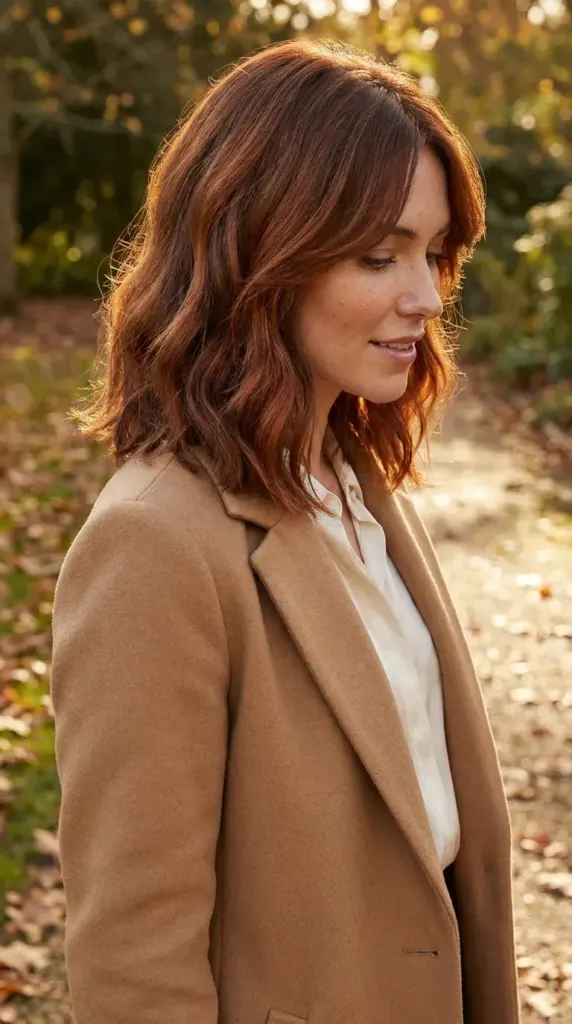
Chestnut auburn blends medium brown with gentle copper and red undertones. The result is warmer than classic brunette but softer than a vivid red hair color.
It suits natural brunettes who want a seasonal refresh without choosing a bright copper shade. Chestnut auburn looks beautiful on layered mid-length hair, loose curls, long waves, and textured bobs. The reddish tones become more noticeable in sunlight, giving the hair a rich, dimensional finish.
Warm, peach, golden, olive, and neutral skin undertones tend to complement this tint. Cooler complexions may prefer a balanced chestnut formula with more brown than orange. Red pigments can fade faster than neutral browns, so wash with cooler water and limit strong clarifying shampoos. This shade pairs naturally with autumn outfits, warm makeup, soft knits, and evening styling.
5. Cinnamon Copper Hair Tint
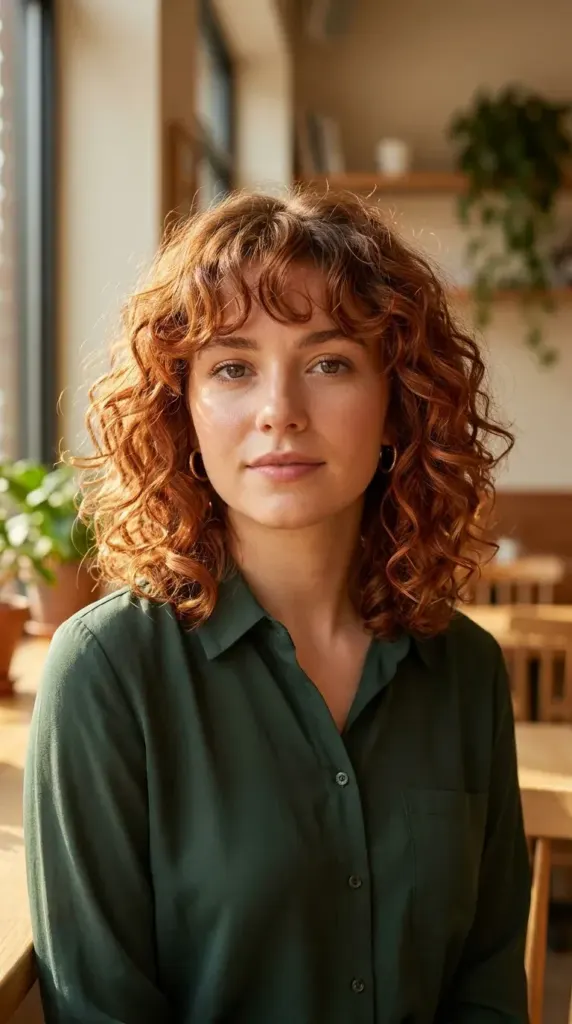
Cinnamon copper is a warm blend of copper, ginger, brown, and muted red. It feels brighter than chestnut but remains more wearable than a neon orange shade.
The color can add movement to layered hair because the copper tones catch the light along waves, curls, and feathered ends. It works well on short crops, shoulder-length shags, long layers, and naturally curly hair.
Cinnamon copper is particularly flattering on warm and neutral complexions with peach, golden, or olive undertones. A deeper cinnamon base can also look beautiful against medium and deep skin tones. Ask your stylist to adjust the level of orange according to your natural base and preferred intensity. Maintain the color with a copper-depositing conditioner when needed, but avoid overusing pigmented products because they can make the shade too bright.
6. Honey Blonde Hair Tint
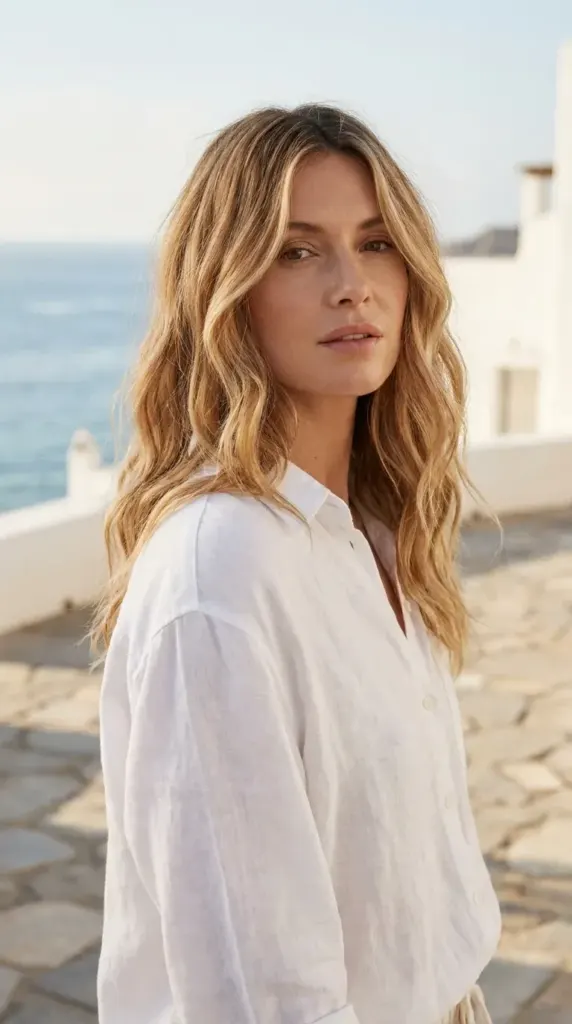
Honey blonde combines warm gold, soft beige, and light caramel tones. It gives blonde hair a richer appearance and can soften highlights that have started to look pale or washed out.
This tint suits long beachy waves, layered lobs, shoulder-length cuts, loose curls, and textured bobs. On darker hair, honey blonde can be placed through balayage pieces rather than applied as an all-over shade. That approach preserves depth at the roots and creates a softer grow-out.
Warm, olive, peach, and neutral skin tones usually pair well with honey shades. Cooler complexions may prefer a beige-honey formula with less yellow. Purple shampoo should be used only when necessary because frequent use may dull the warmth that makes honey blonde attractive. Hydrating masks and gentle heat styling will help lighter sections retain softness and shine.
7. Soft Beige Bronde Tint
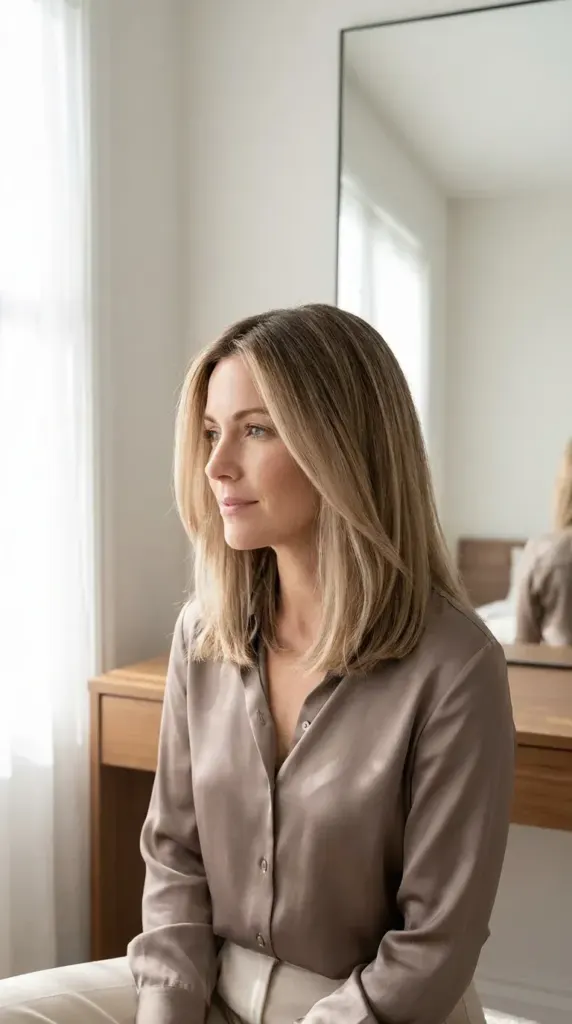
Beige bronde sits between blonde and brunette. It combines a natural brown base with muted beige, sandy blonde, and creamy neutral tones.
This tint is ideal for anyone who wants lighter hair without the strong contrast or upkeep of a full blonde transformation. It works beautifully with long layers, curtain bangs, collarbone cuts, soft waves, and straight hair with subtle movement.
Neutral and cool skin undertones often suit beige bronde, although the formula can be warmed slightly for golden or olive complexions. Fine balayage pieces and a soft root melt create the most natural finish. Ask your stylist to avoid overly gray toner if you want the result to remain soft rather than smoky. A beige bronde tint is easy to style with neutral clothing, minimalist makeup, and relaxed everyday looks throughout the year.
8. Rose Gold Hair Tint
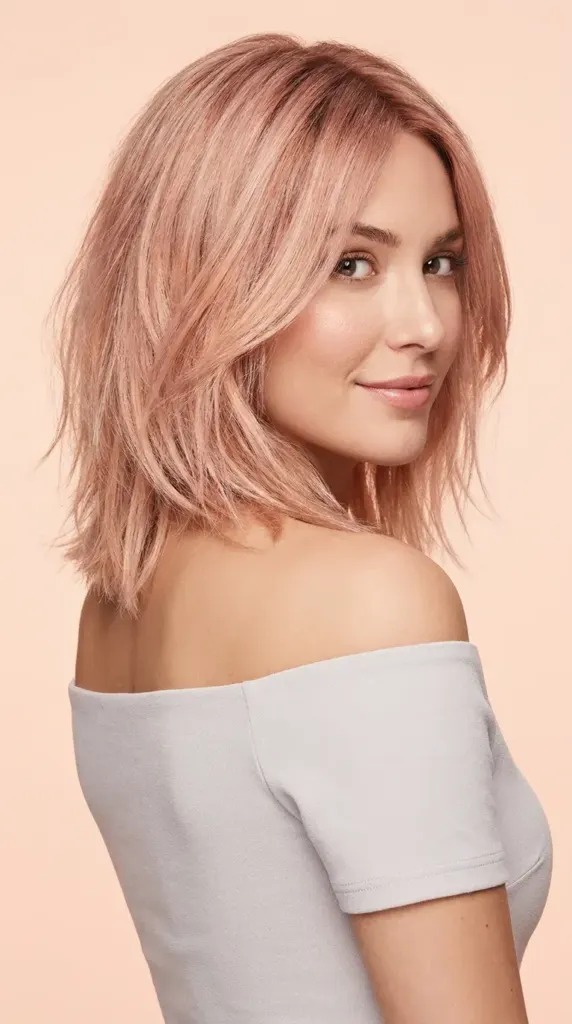
Rose gold combines soft pink, peach, and warm blonde tones. It creates a feminine color that can appear subtle in indoor light and more noticeable outdoors.
This shade works best on blonde, light brown, highlighted, or pre-lightened hair. It looks attractive on long waves, shoulder-length cuts, textured bobs, loose curls, and styles with curtain bangs. Darker bases can try rose gold through selected face-framing pieces or tinted ends.
Rose gold can be adjusted for different skin tones. Peach-based formulas complement warm complexions, while dusty pink or mauve rose gold may suit cooler undertones. Fashion tints usually fade gradually, so use sulfate-free products and reduce frequent washing. A tinted conditioner can refresh the shade between appointments. This color pairs well with cream, blush, denim, soft gray, and simple gold accessories.
9. Strawberry Blonde Hair Tint
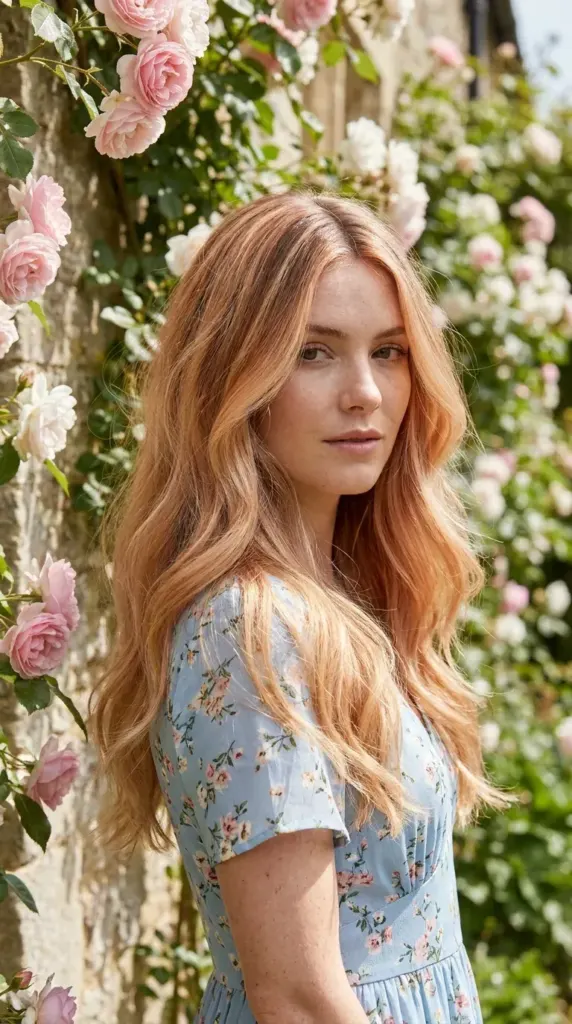
Strawberry blonde blends pale copper, warm gold, and soft blonde. It is lighter than traditional ginger and warmer than honey blonde.
The shade looks natural on light blonde, dark blonde, and light brown bases. It works well with soft waves, airy layers, chin-length bobs, long curls, and delicate fringe. Fine highlights can give the color extra dimension without making it appear striped.
Strawberry blonde generally suits fair to medium complexions with warm, peach, or neutral undertones. A cooler strawberry formula can include a little beige to reduce orange intensity. Since the shade contains both blonde and red pigments, it may require regular toning to maintain balance. Protect the hair from excessive heat, strong sun exposure, and frequent clarifying treatments. The finished look pairs beautifully with soft makeup, floral outfits, and spring or summer styling.
10. Burgundy Wine Hair Tint
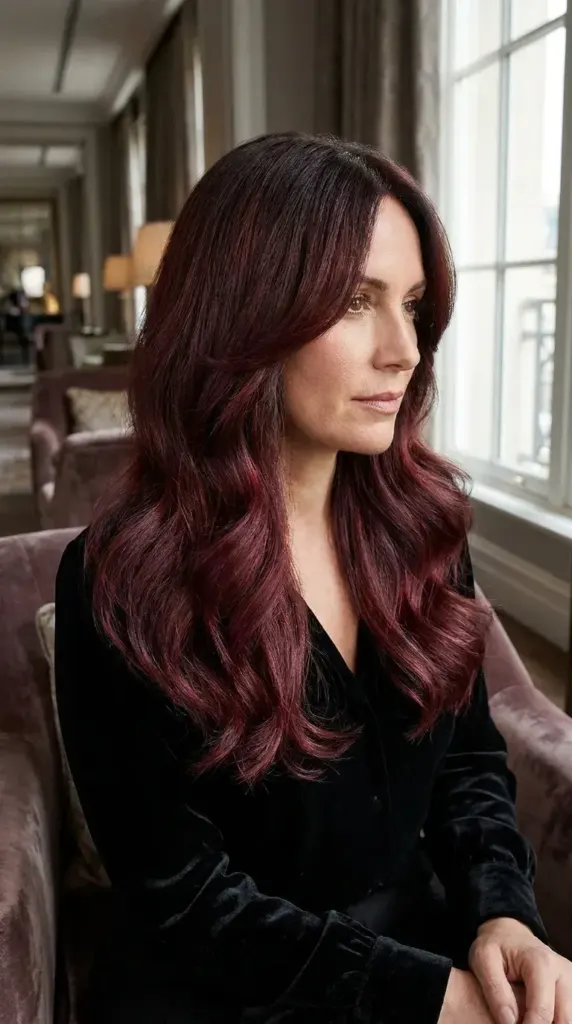
Burgundy wine is a deep blend of red, violet, and brown. It creates a rich statement color while retaining enough depth to remain wearable.
This tint looks especially striking on dark brown and black hair because it can show as a subtle wine reflection without requiring a very light base. It suits long curls, smooth bobs, layered waves, braided styles, and thick shoulder-length hair.
Burgundy can complement cool, neutral, olive, medium, and deep skin tones. A redder formula feels warmer, while a violet-based burgundy creates a cooler finish. Keep the roots slightly deeper for a more natural transition. Red and violet pigments can fade with frequent washing, so use cooler water and a color-protecting conditioner. Burgundy hair works well with black, charcoal, cream, navy, and jewel-toned clothing.
11. Dark Cherry Cola Tint
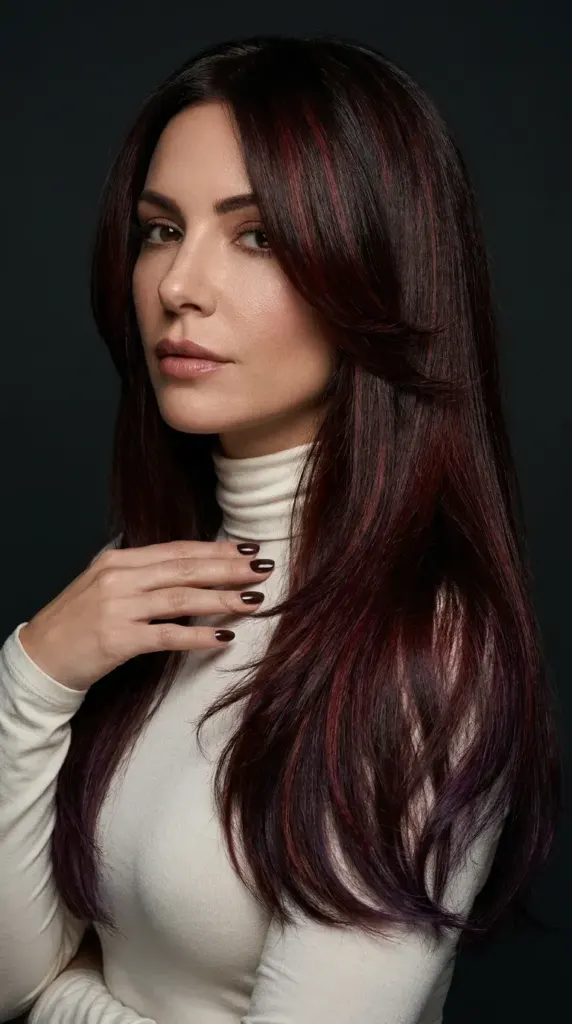
Dark cherry cola combines deep brunette, burgundy red, and subtle violet undertones. It is moodier than classic auburn and softer than a bright fashion red.
The shade is well suited to natural brunettes who want visible color without completely lightening their hair. It looks polished on long straight hair, voluminous waves, layered cuts, sleek lobs, and defined curls. Fine cherry ribbons around the face can create extra movement.
Dark cherry cola flatters neutral, cool, olive, medium, and deep complexions. Warm skin tones can wear a redder cherry version with less violet. Ask for a brunette root and blended red-violet lengths to make maintenance more manageable. A tinted mask can help maintain richness, but use it carefully to prevent excess pigment buildup. This hair tint is especially attractive for autumn, winter, evening events, and polished social looks.
12. Plum Violet Hair Tint
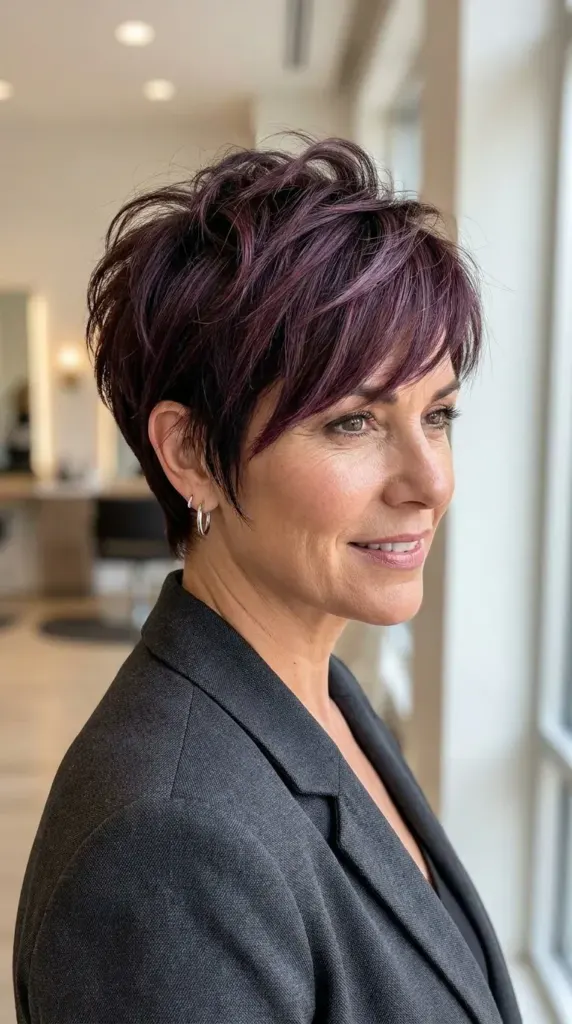
Plum violet combines dark purple, berry, and brunette undertones. It can appear nearly brown in low light and reveal a stronger violet finish under brighter lighting.
This shade works on long curls, tapered cuts, pixie styles, layered bobs, and thick wavy hair. On a short haircut, the color can emphasize texture and movement around the crown. Anyone considering a cropped style can pair this shade with inspiration from these pixie cuts for women over 50.
Plum is especially flattering on cool, neutral, olive, medium, and deep skin tones. Warm complexions may prefer a red-plum formula instead of a blue-violet shade. Keep the base dark for a softer grow-out. Wash less frequently, use cool water, and avoid harsh clarifying products to help preserve the violet tone.
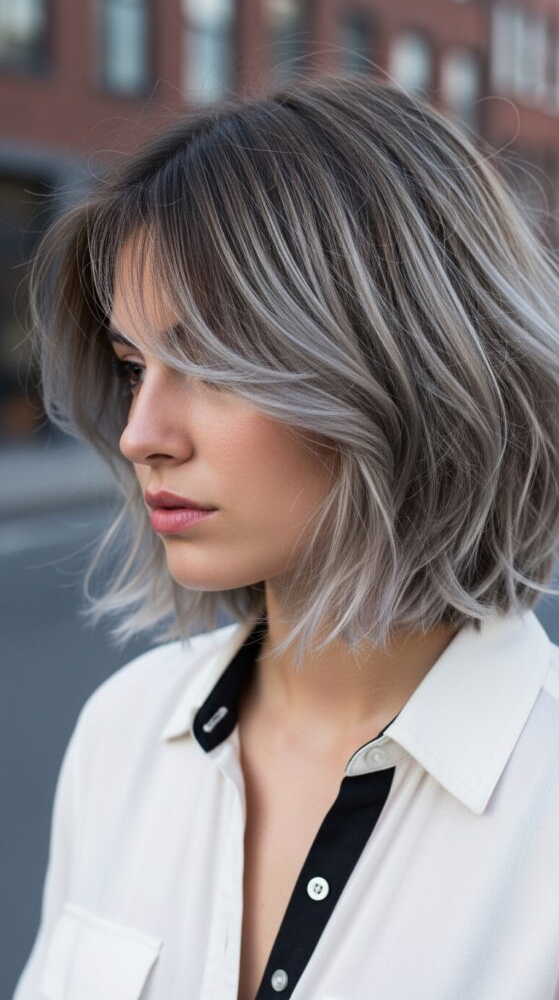
13. Smoky Ash Brown Tint
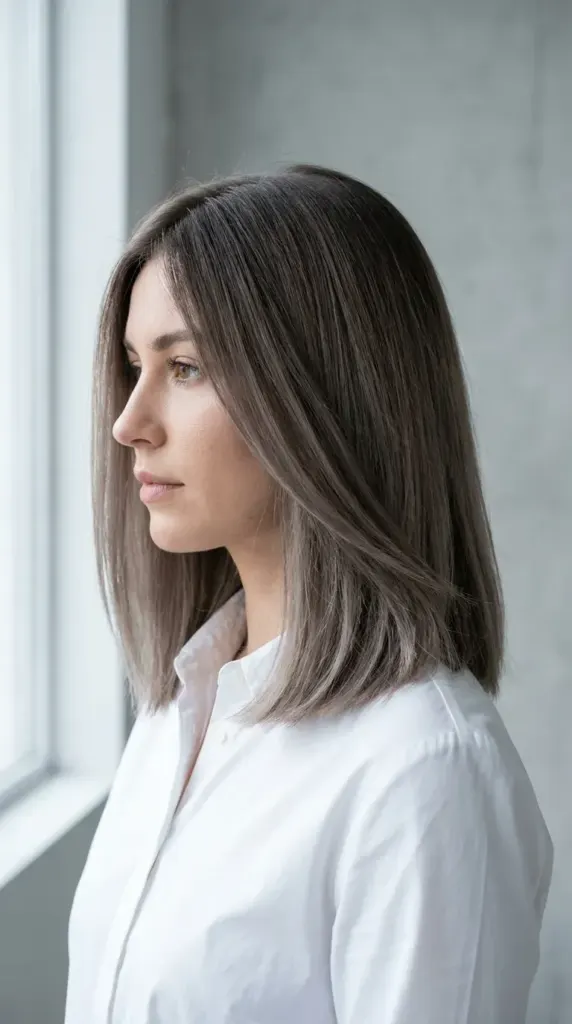
Smoky ash brown combines cool brunette, taupe, and muted gray undertones. It reduces visible warmth and creates a modern, understated finish.
This tint suits straight hair, soft waves, long layers, collarbone cuts, and clean blunt bobs. It can also be used as a toner over highlighted brunette hair to create a cooler result. The shade looks best when the hair has enough dimension to prevent the gray tones from appearing flat.
Cool and neutral complexions usually complement smoky ash brown. Olive skin may suit a balanced ash formula that retains a little natural brown warmth. Avoid choosing a toner that is too dark or too gray for your base. Blue shampoo may help control orange tones, but frequent use can create a dull finish. Alternate it with a moisturizing, color-safe shampoo and use a shine treatment when needed.
14. Mushroom Brown Hair Tint
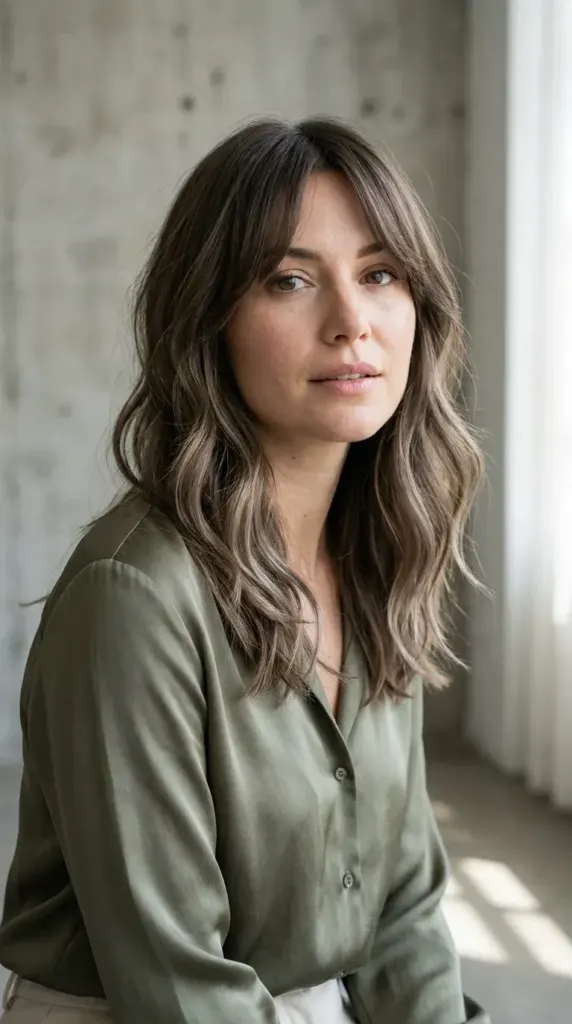
Mushroom brown is a neutral-cool shade that combines taupe, beige, soft gray, and medium brunette. It creates a muted finish that falls between ash brown and beige bronde.
This shade works well on medium-length hair, long soft waves, layered bobs, straight cuts, and fine balayage. A darker root with taupe and beige ribbons through the lengths gives the color more depth and makes regrowth less obvious.
Mushroom brown is especially flattering on neutral and cool skin undertones. Warm complexions may need slightly more beige or caramel in the formula to prevent the shade from looking dull. Ask for finely blended pieces rather than thick contrasting streaks. Use products designed for color-treated brunette hair and book toning appointments when the shade begins to turn warm. The muted finish pairs well with soft neutrals, denim, charcoal, and minimal styling.
15. Soft Blue-Black Hair Tint
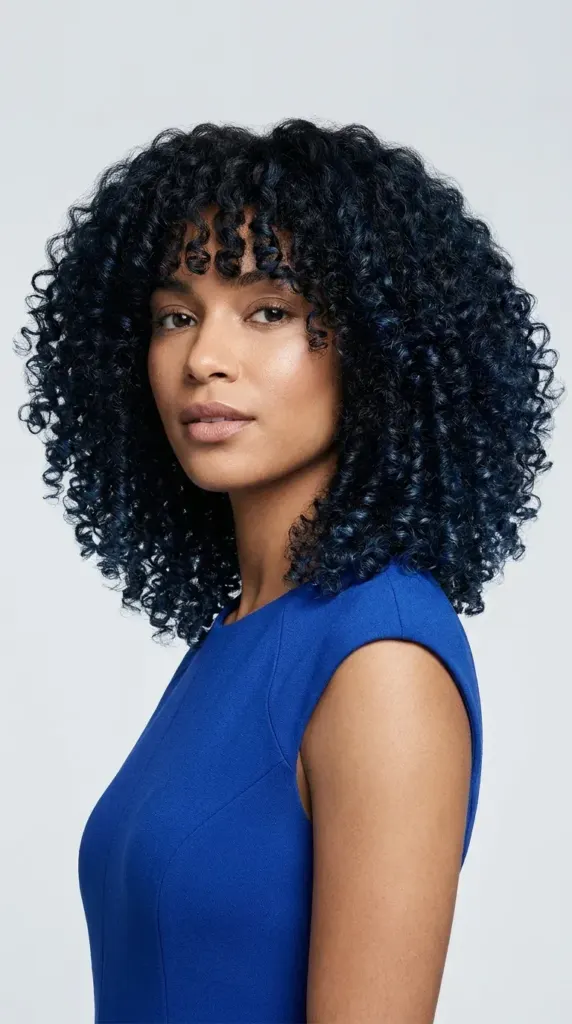
Soft blue-black is a deep black tint with cool navy or blue reflections. Unlike flat jet black, the subtle blue undertone gives the hair visible dimension under direct light.
This color looks striking on sleek long hair, blunt bobs, defined curls, braided styles, and short textured cuts. It can make a strong visual statement, so keeping the haircut polished helps the shade look intentional.
Blue-black generally complements cool, neutral, medium, deep, and olive skin tones. Fair skin can also wear it, although the contrast may appear dramatic. Discuss the long-term commitment with your stylist because very dark artificial color can be difficult to remove. Use a gentle shampoo, reduce hot-water washing, and protect the hair during heat styling. Navy, silver, white, gray, and jewel-toned outfits complement the cool finish.
How to Choose the Right Hair Tint Color
Consider Your Skin Undertone
Warm undertones often suit caramel, honey, chestnut, cinnamon, and strawberry shades. Cool undertones may work well with ash brown, plum, burgundy, mushroom brown, and blue-black. Neutral undertones can usually wear both warm and cool colors, depending on the desired contrast.
Look at Your Natural Base
Choosing a tint close to your natural level usually creates softer regrowth and requires less lightening. Dark brunettes can try espresso, cherry cola, burgundy, or plum. Lighter bases can experiment with rose gold, honey blonde, strawberry blonde, and beige bronde.
Think About Your Face Shape
Color placement can influence how a haircut frames the face. Lighter pieces around the cheeks draw attention to that area, while a deeper root and vertical ribbons can create a longer visual line. For more haircut guidance, review these flattering haircuts for round faces.
Match the Tint to Your Hair Texture
Straight hair shows clean color transitions clearly. Waves and curls display multidimensional tones through movement. Coily hair can carry rich, saturated colors beautifully, but lightening should be planned carefully to protect moisture and curl definition.
Be Realistic About Maintenance
Red, copper, pink, violet, and pastel tones usually need more frequent refreshing. Natural browns and rooted bronde shades may offer softer regrowth. Consider how often you wash your hair, use heat tools, and visit the salon.
Consult a Professional Colorist
A stylist can assess previous dye, porosity, damage, natural pigment, and the level of lightening required. Bring reference photos, but allow the formula to be adjusted for your actual base and hair condition.
Hair Care and Maintenance Tips
Use shampoo and conditioner designed for color-treated hair. Strong cleansing products may remove pigment faster, especially from red, copper, violet, and rose tones.
Wash with lukewarm or cool water instead of very hot water. Frequent heat can contribute to dryness and faster fading.
Limit flat irons, curling tools, and high-temperature blow-drying. Apply heat protection before styling and choose lower settings when possible.
Use a moisturizing mask once a week, particularly if the hair was lightened before tinting. Concentrate the treatment through the mid-lengths and ends.
Pigmented conditioners can refresh certain shades, but they should match the salon formula. Using the wrong undertone may make blonde hair muddy or red hair overly bright.
Schedule trims to remove dry ends and preserve the shape of the haircut. Readers who prioritize simple routines may also find useful ideas in these low-maintenance hairstyles for women over 60.
Protect colored hair from strong sunlight, chlorinated pools, and salt water. Wear a hat outdoors and rinse the hair with clean water before and after swimming.
Frequently Asked Questions
What is the difference between a hair tint and permanent hair dye?
A hair tint may refer to semi-permanent, demi-permanent, or permanent color depending on the formula. Semi-permanent products mainly deposit color, while permanent dye can alter the natural pigment more significantly.
Which hair tint colors are easiest to maintain?
Chocolate brown, caramel brunette, espresso, mushroom brown, and rooted bronde are often easier to maintain when they stay close to the natural base. Bold red, pink, violet, and copper shades usually need more frequent refreshing.
Can dark hair be tinted without bleaching?
Yes, dark hair can receive deeper shades such as burgundy, plum, cherry cola, espresso, or blue-black without full bleaching. Lighter or pastel colors generally require some level of pre-lightening to become clearly visible.
How long does a hair tint last?
Longevity depends on the product, hair porosity, washing routine, shade, and previous chemical treatments. Semi-permanent colors may fade gradually over several washes, while demi-permanent and permanent formulas generally last longer.
How do I know whether warm or cool hair color suits me?
Consider your skin undertone, eye color, natural base, and preferred contrast. Warm shades include caramel, copper, honey, and chestnut. Cool shades include ash brown, plum, mushroom, and blue-black. A stylist can compare swatches near your face before choosing a formula.
Conclusion
The right hair tint color can make a familiar haircut feel fresher, shinier, and more personal. Natural shades such as caramel, chocolate, mushroom brown, and beige bronde provide subtle dimension, while rose gold, cherry cola, plum, and blue-black create a stronger statement.
Choose a color that works with your natural base, skin undertone, hair texture, and maintenance routine. A shade may look beautiful in a reference photo but still need adjustments to suit your actual hair. Bring a few examples to your stylist and discuss the required lightening, upkeep, and future color plans.
Whether you prefer a soft seasonal refresh or a richer change, these hair tint colors provide practical inspiration for your next salon visit.