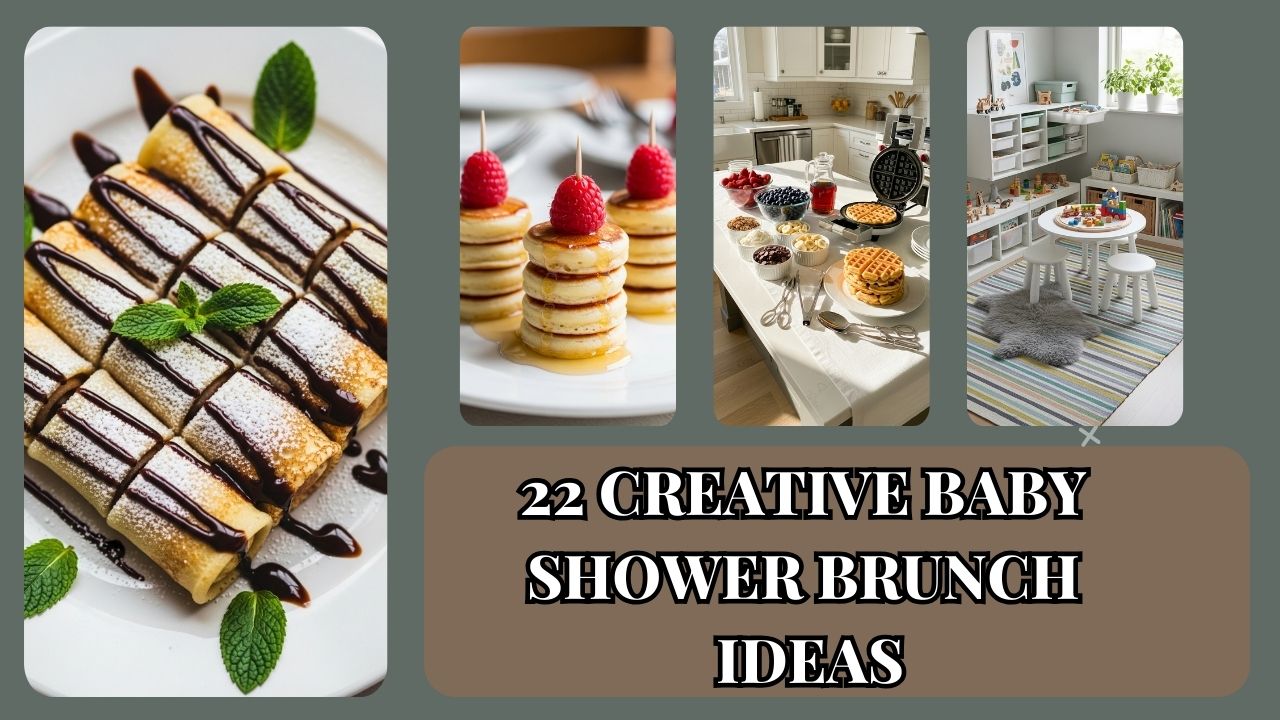
My sister called me on a Tuesday, eleven weeks before her due date, to tell me I was in charge of her baby shower.
Not “helping with.” In charge of.
I had hosted exactly one dinner party before this, and it had involved a store-bought cake and paper plates. So when I started researching baby shower ideas, I quickly became overwhelmed by the gap between what Pinterest shows you—those flawless tablescapes with color-coordinated macarons and hand-lettered signs—and what is actually achievable by one person with a moderate budget and no catering experience.
What I eventually figured out, after two showers (my sister’s and a close friend’s two years later), is that a brunch format is genuinely the most forgiving structure for a home-hosted celebration. The food is largely self-serve, the timing is flexible, the natural morning light does half your decorating work for you, and nobody expects the kind of plated precision that a dinner party demands.
This guide is what I wish I’d had before my sister’s shower: specific, practical, and honest about what works and what looks good in photos but falls apart in execution.
Why Brunch Works So Well for Baby Showers
Before the ideas, it’s worth understanding what makes brunch structurally different from a dinner or lunch celebration—because the format shapes every decision you’ll make.
The timing window is forgiving. A brunch that runs from 10:30 AM to 1:00 PM gives you a natural endpoint that doesn’t require guests to linger. People with children, long drives, or work obligations the next day appreciate the defined window. The guest of honor—who is likely tired—gets her afternoon back.
Brunch food is inherently buffet-friendly. Eggs, pastries, fruit, and toast all hold reasonably well at room temperature or in a low oven. You’re not timing the perfect medium-rare steak service. The forgiving nature of brunch food means you can set up the table an hour before guests arrive and it will still look and taste fresh when the last guest fills her plate.
Morning light is a genuine asset. This isn’t just aesthetics. Natural morning light means your phone photos will look good without any effort. The food looks more vibrant, the florals look more alive, and the space feels more open. If you’ve ever seen a Pinterest-worthy brunch photo and wondered what made it look so effortless, the answer is usually just: it was taken before noon near a window.
The alcohol question resolves itself. A brunch naturally centers around juice and coffee rather than wine and cocktails. This means the expectant mother isn’t navigating a room built around something she can’t participate in—she’s the natural centerpiece of the drink station, not the exception.
The 22 Ideas (With Real Hosting Notes)
1. The Ultimate Waffle Bar Station
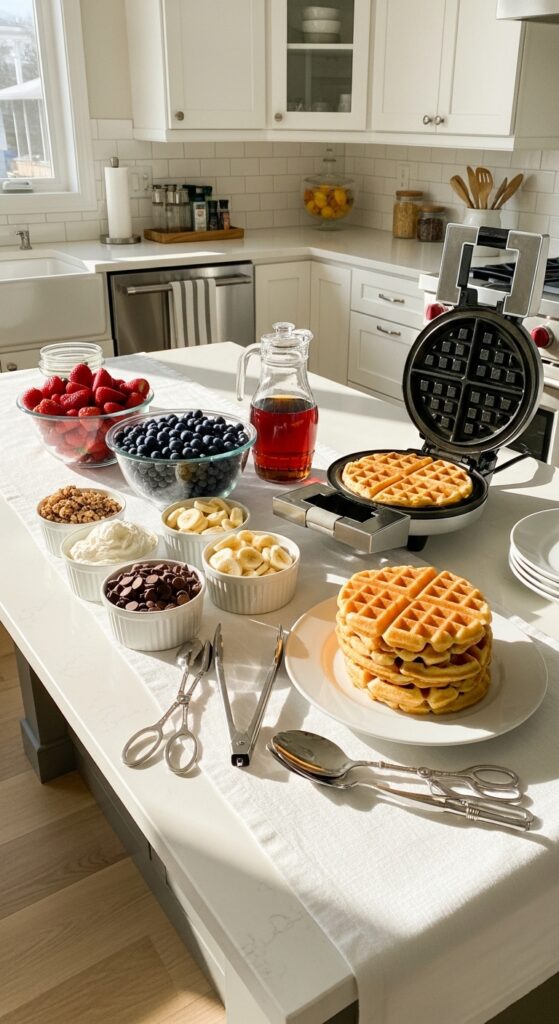
A waffle bar is the anchor idea for a reason: it’s visually dramatic, endlessly customizable, and remarkably easy to execute at home.
What actually works: You have two options—make waffles fresh in a waffle iron during the party, or make them in batches the morning of and keep them warm in an oven at 200°F on a wire rack (not stacked—they’ll steam and go soggy). Fresh-to-order has the showmanship factor; batch prep lets you be present with your guests instead of standing over an iron.
Setup note: The toppings table is where the visual impact lives. Use small glass bowls or ramekins for each topping, arranged at different heights using upturned bowls or small boxes under the tablecloth. Offer at minimum: fresh strawberries, blueberries, sliced banana, whipped cream, maple syrup, and one “special” option like lemon curd or salted caramel. Label each topping with a small card—this prevents the repeated question “what’s in this one?”
Practical tip: If you’re making waffles fresh, rent or borrow a second waffle iron. One iron for 20+ guests creates a bottleneck.
2. “Mom-osa” Mocktail Bar
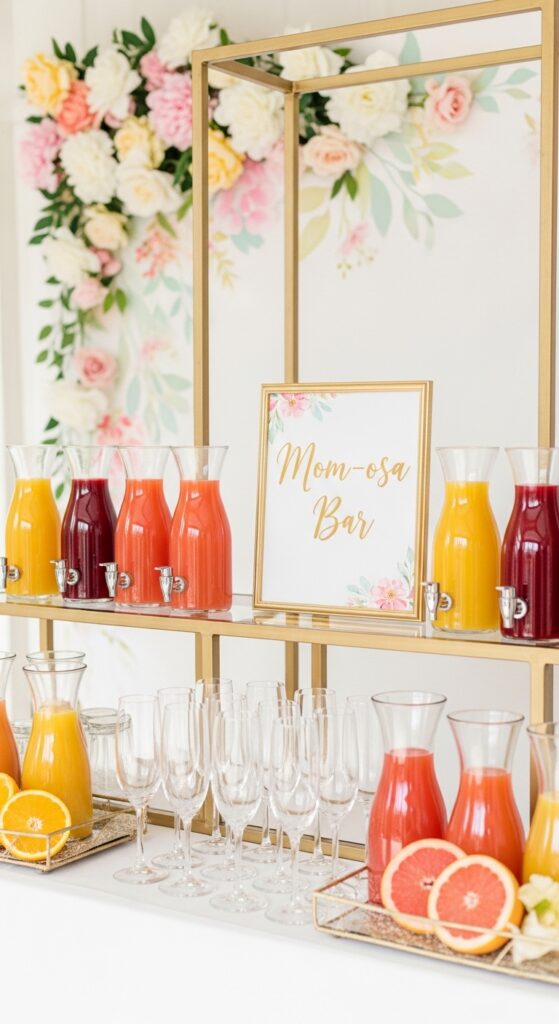
The Mom-osa bar is both a drink station and a statement: this party is designed around the guest of honor, not around the alcohol she can’t have.
What actually works: The base is sparkling cider or sparkling white grape juice—not ginger ale, which is too sweet and loses its bubbles quickly. Set out three or four juice options in small pitchers: orange, cranberry, mango, and peach are the classic four. Guests mix their own proportions in champagne flutes.
Setup note: The garnish tray is what elevates this from “juice table” to “bar.” Provide: fresh raspberries, orange slices, a small sprig of rosemary or mint, and one edible flower option if you can find them. A small pair of tongs for each garnish type keeps hands out of the serving trays.
Labeling note: Put a small “recipe card” at the station with two or three suggested combinations—”Peach + cranberry + raspberry” or “Orange + mango + mint.” Guests love having a starting point, and it makes the station feel curated rather than DIY.
3. Greenhouse Garden Theme
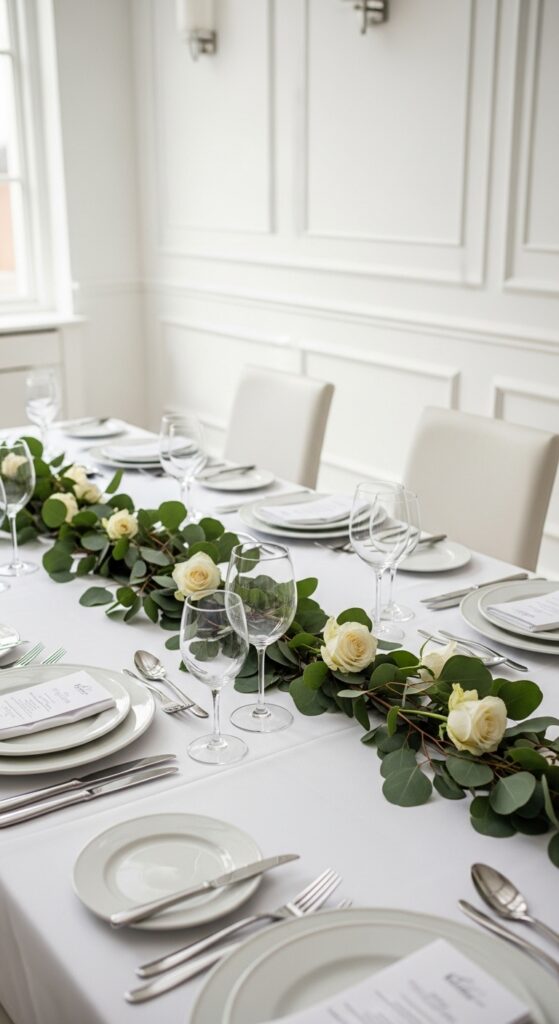
A garden theme works for baby showers because it’s gender-neutral, timeless, and builds entirely on materials that are already beautiful without much arrangement skill required.
What actually works: The foundation is greenery, not flowers. Eucalyptus stems (available in bulk from wholesale flower markets or Trader Joe’s), potted herbs like rosemary and mint, and trailing ivy or pothos plants create the “lush garden” effect at a fraction of the cost of fresh floral arrangements.
Setup note: Eucalyptus runners down the center of a table cost $15–$30 in total and last the full day without wilting. Place them loosely—don’t line them up symmetrically. The organic, slightly irregular arrangement reads as natural and considered; a too-neat runner reads as artificial. Add three or four white florals (garden roses, ranunculus, or even grocery store white hydrangeas) at intervals. White florals against green foliage photograph exceptionally well in morning light.
After-party bonus: The potted herbs serve double duty as take-home favors. Tie a small tag around each pot that says “Grown with love—just like Baby [Warda].”
4. Miniature Pancake Stacks
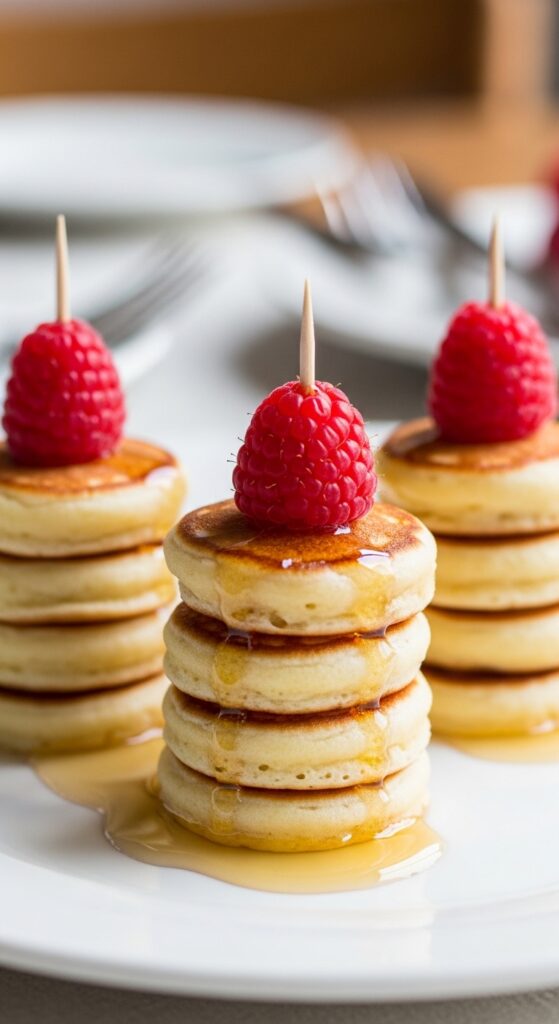
Miniature food at a baby shower has an obvious thematic resonance—tiny things for a tiny new person—but the real reason to serve it is practical: it’s the easiest food for guests to eat while standing, holding a conversation, and balancing a champagne flute simultaneously.
What actually works: Make standard pancake batter and use a tablespoon measure to pour small rounds—about 2.5 inches in diameter. Cook on a griddle. Thread three or four per wooden skewer, with a single fresh berry on top. Dust with powdered sugar just before guests arrive.
Setup note: These do not hold well for long periods. Make them the morning of and keep them covered at room temperature for up to 90 minutes before serving. If you need more time, they can be held warm in a 200°F oven on a parchment-lined sheet, but they’ll lose some of their softness. Plan to serve within 30 minutes of the party start.
Quantity guide: Count on 3–4 per guest for a mixed buffet, or 5–6 if this is one of only two savory options.
5. Bohemians and Bloom Decor
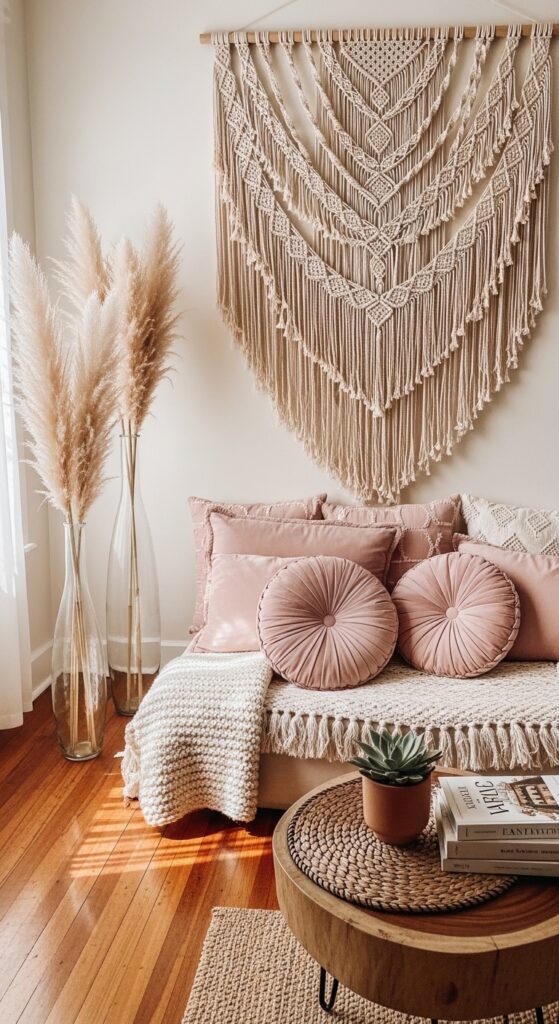
The boho aesthetic—pampas grass, macrame, dried florals, and soft textiles—has staying power at baby showers because it reads as warm and personal rather than event-catered.
What actually works: The key materials are pampas grass (buy dried stems, not fresh—they last longer and don’t shed as much), a macrame table runner or wall hanging as a backdrop, and soft textiles in blush, terracotta, and cream. You don’t need all three—pick two and execute them well.
Setup note: Pampas grass sheds. A lot. If you’re setting up indoors, fluff the stems outside first and give them a light spray with hairspray to reduce shedding. Place them in heavy vases—pampas is top-heavy and will tip in anything less than a substantial base. The visual payoff is significant, but know going in that you’ll be vacuuming pampas fluff for a week afterward.
Budget note: Dried pampas grass stems are available on Amazon and Etsy in bulk for $20–$40. A single grocery store stem can cost the same. Buy in bulk.
6. Bagel and Shmear Board
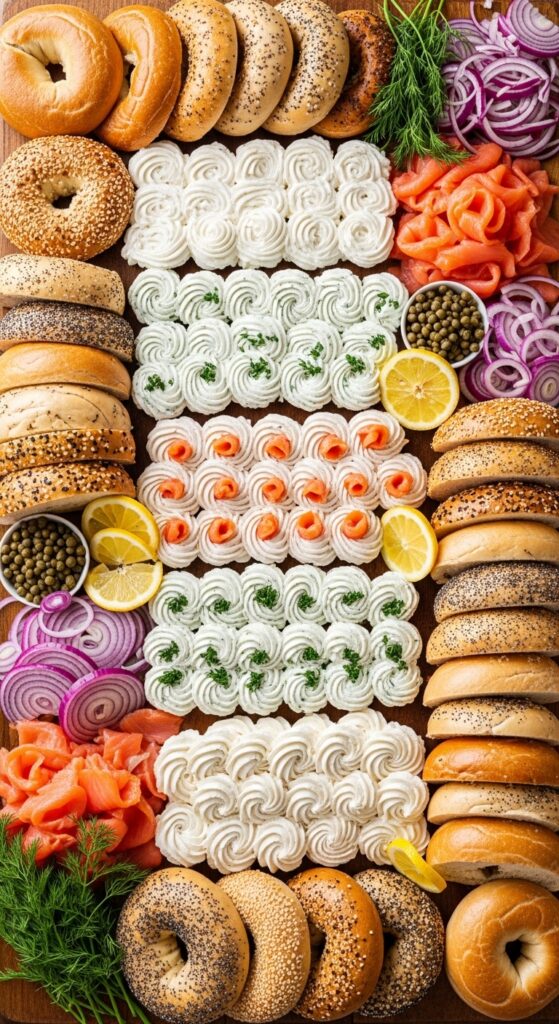
The bagel board has replaced the charcuterie board as the signature brunch centerpiece, and for good reason: it’s filling, it serves dietary restrictions gracefully (gluten-free guests aside), and it actually gets eaten rather than admired.
What actually works: Offer at minimum three cream cheese varieties—plain, scallion, and one flavored option like strawberry or everything-bagel seasoned. Add smoked salmon, capers, thinly sliced red onion, cucumber rounds, sliced tomato, and fresh dill. The arrangement matters: put cream cheese in small bowls rather than in their containers, cut bagels into halves or quarters before placing on the board, and fan out the smoked salmon rather than piling it.
Setup note: Keep the smoked salmon covered or refrigerated until 20 minutes before guests arrive. Smoked salmon left out for more than an hour at room temperature loses texture and develops an off flavor. Have a small backup portion in the refrigerator to swap in halfway through the party if needed.
Quantity guide: Plan 1 bagel per person for a full buffet, or half a bagel per person if this is one of many options.
7. Vintage “Tea Party” Brunch
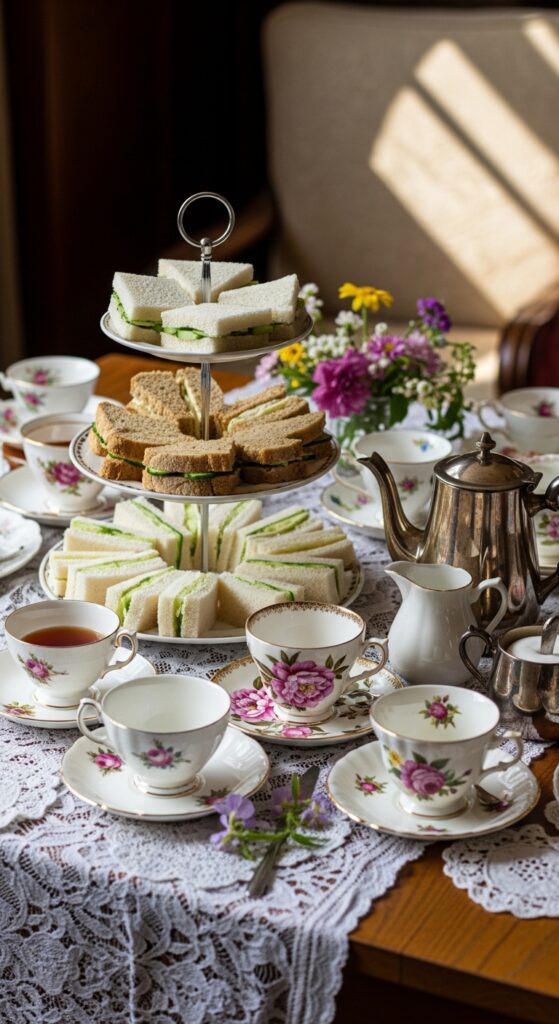
Mismatched vintage teacups and floral tablecloths create an atmosphere that feels deeply personal—like the party happened in a well-loved home rather than a styled event space.
What actually works: You don’t need to own vintage teacups. Thrift stores almost always have mismatched sets for $0.50–$2 per cup. Buy 20–25 in varied patterns, all roughly the same size. The mismatch is the point—it looks intentional and charming rather than incomplete.
Setup note: The food for a tea party brunch should lean delicate: finger sandwiches (cucumber and cream cheese, smoked salmon, egg salad), scones with clotted cream and jam, and small pastries. Cut finger sandwiches into thirds, not halves—three small pieces look more abundant than two medium ones and are easier to eat in one or two bites while standing.
Tea service tip: Brew tea in large batches and keep in a thermal carafe rather than asking guests to steep individual bags. Offer 2–3 varieties: one caffeinated (English Breakfast or Earl Grey), one herbal (chamomile or peppermint), and one fruit infusion.
8. Avocado Toast Garnish Station
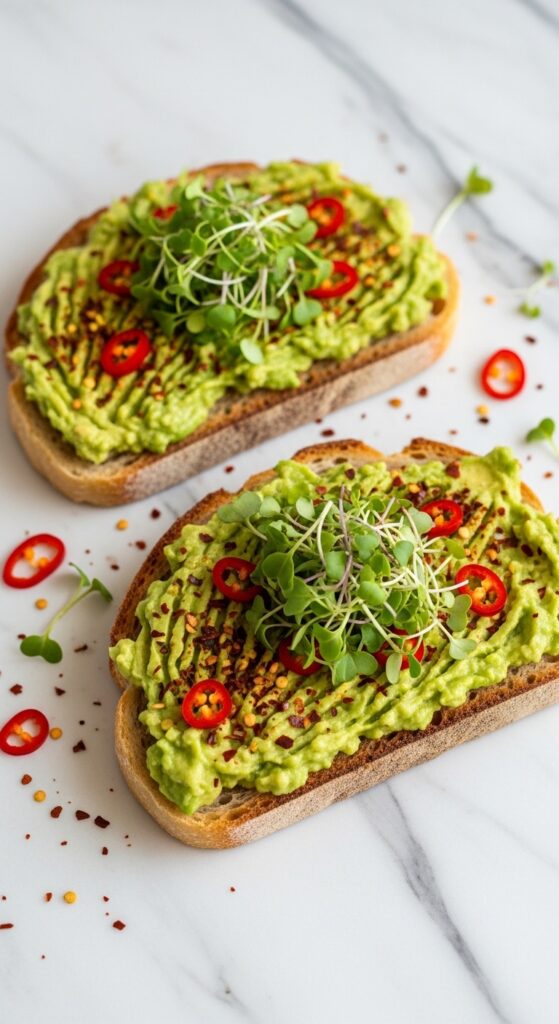
Avocado toast works at a baby shower because it covers the health-conscious guests without feeling like a compromise. It’s genuinely satisfying, it photographs beautifully, and the toppings table gives it the customizable, abundant feeling that stations excel at.
What actually works: Prepare the avocado base in advance: mash ripe avocados with fresh lemon juice (not lime—lemon holds color better), salt, and a small amount of olive oil. The lemon juice is critical—it slows browning significantly. Store with plastic wrap pressed directly against the surface of the avocado to prevent air exposure.
Topping options: Chili flakes, hemp seeds, microgreens, thinly sliced radish, crumbled feta, everything bagel seasoning, and a soft-poached egg if you want to add protein. Pre-poach eggs the morning of and hold them in warm (not hot) water in a bowl; reheat briefly in hot water before serving.
Setup note: Toast the sourdough in batches and keep in a low oven on a wire rack. Do not cover it—covered toast steams and goes soft. Offer both thick and thin slices, as preferences vary widely.
9. Sweet Crepe Rolls
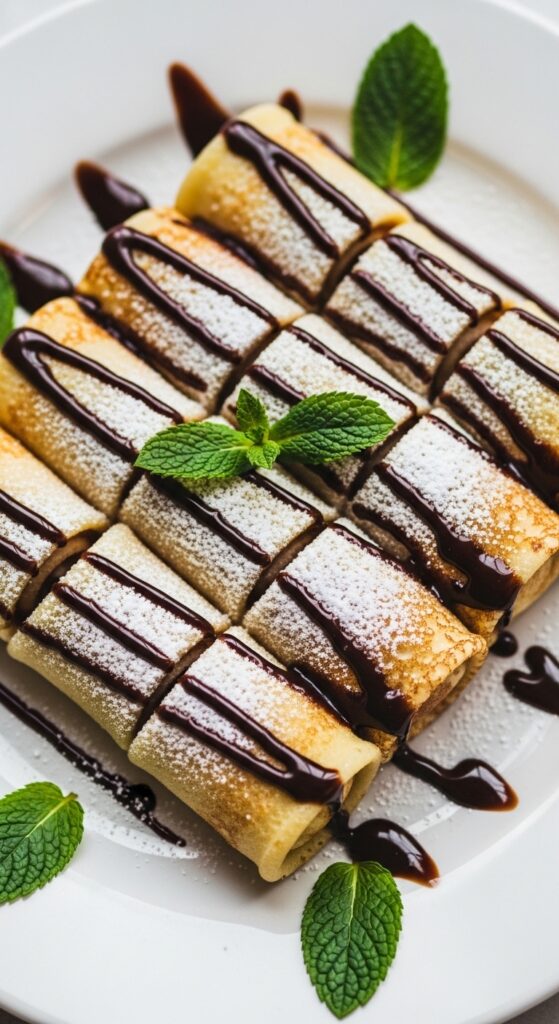
Crepes feel sophisticated at a level that belies how simple they are to make. A practiced crepe-maker can produce one every 90 seconds on a standard pan.
What actually works: Make crepe batter the night before and refrigerate overnight—the rest time improves the texture significantly by letting the gluten relax. Cook the morning of, stack with parchment paper between each crepe, and fill and roll them an hour before guests arrive. Secure each roll with a toothpick.
Filling options: Nutella with sliced banana, lemon curd with fresh berries, or ricotta with honey and walnuts. Dust the completed tray with powdered sugar just before serving.
Setup note: Crepe rolls begin to dry out after about an hour at room temperature. Cover the tray with plastic wrap until 15 minutes before the party starts, and don’t set out more than you expect to be eaten in the first hour. Bring out a fresh tray halfway through.
10. Donut Wall Centerpiece
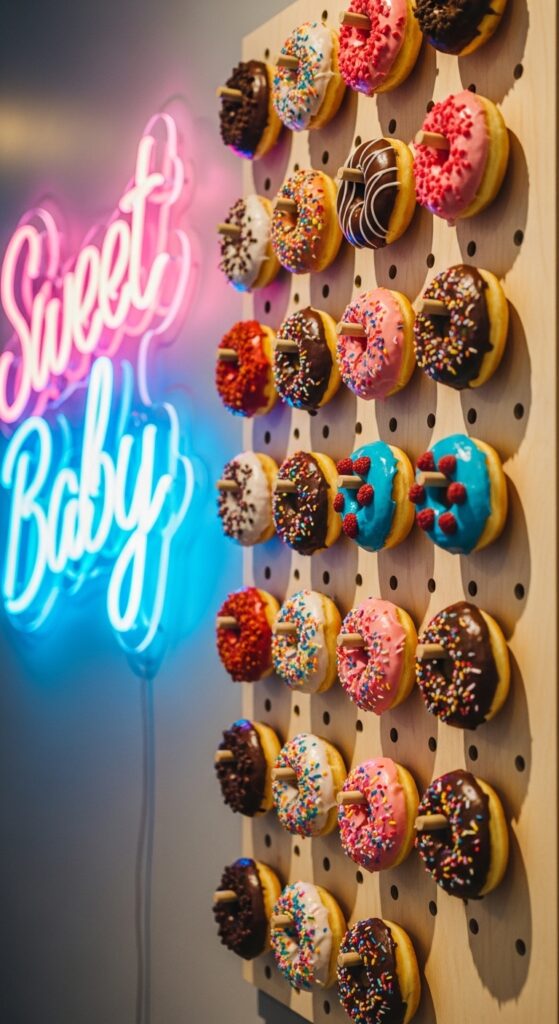
A donut wall is one of the highest visual-impact-to-effort-ratio ideas in this entire list. It takes about 20 minutes to assemble, costs $30–$60 depending on donut quantity, and guests photograph it immediately.
What actually works: A pegboard (the kind sold for garage organization) with wooden dowels cut to 4-inch lengths, painted to match your color scheme, and anchored to the wall or a freestanding frame. Each dowel holds one donut. Offer a mix of glazed, chocolate frosted, sprinkled, and one or two specialty flavors.
Setup note: Order donuts from your bakery the day before and pick up the morning of. Hang them on the wall no more than 90 minutes before guests arrive—glazed donuts left out too long develop a surface crust. If the party runs long, swap in fresh donuts from a backup box kept at room temperature.
Practical note: Provide small plates and napkins directly below the donut wall. Guests instinctively know they should take one, but they need the plate to catch the glaze.
11. Yogurt Parfait Wine Glasses
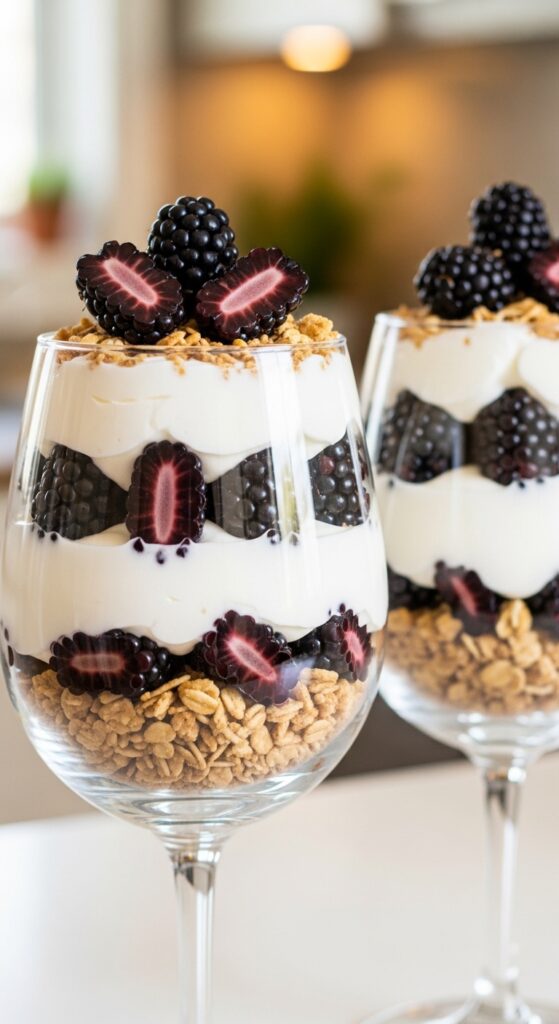
Serving yogurt parfaits in wine glasses is a presentation trick that costs nothing extra and instantly elevates what is otherwise a simple, inexpensive dish.
What actually works: Layer full-fat Greek yogurt, granola, and mixed berries in clear stemware. The visual layering—white yogurt, tan granola, dark berries—reads as intentional and beautiful. Drizzle a small amount of honey on top and add a single mint leaf as a garnish.
Setup note: Assemble up to two hours before guests arrive and keep covered in the refrigerator. Take them out 15 minutes before serving. The cold temperature actually improves the dish—the yogurt firms up and the granola maintains its crunch better when the assembly is cold.
Quantity note: These are filling. If you’re serving a full buffet, expect most guests to take one as an accent rather than a main dish. Plan for 60–70% of guests to take one, not 100%.
12. Quiche Lorraine Minis
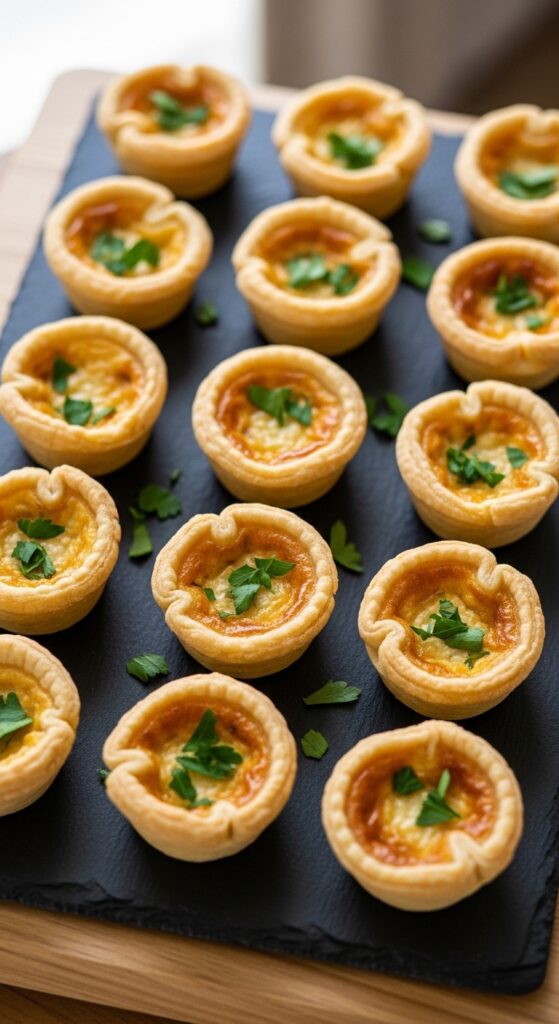
Mini quiches are the most reliable savory option for a large brunch because they can be made entirely the day before, they reheat perfectly, they work for vegetarians (with the right filling), and they hold their shape on a plate.
What actually works: Make or buy pre-made quiche in a muffin tin format. Fillings that work well: spinach and feta, caramelized onion and gruyere, bacon and cheddar. Use a standard muffin tin (not mini muffin—the result is too small to be satisfying) for portions that guests can eat in two or three bites.
Setup note: Make the day before and refrigerate. Reheat at 325°F for 12–15 minutes before the party. They will hold their heat for about 45 minutes at room temperature, which covers most brunch windows. If the party runs longer than expected, a second warm-up cycle at 300°F for 8 minutes will revive them.
Visual display: Arrange on a tiered stand with a fresh herb garnish (thyme or flat-leaf parsley) between each tier. The varied heights make the table feel more dynamic than a single flat platter.
13. Rustic “Sweet Little Honey” Theme
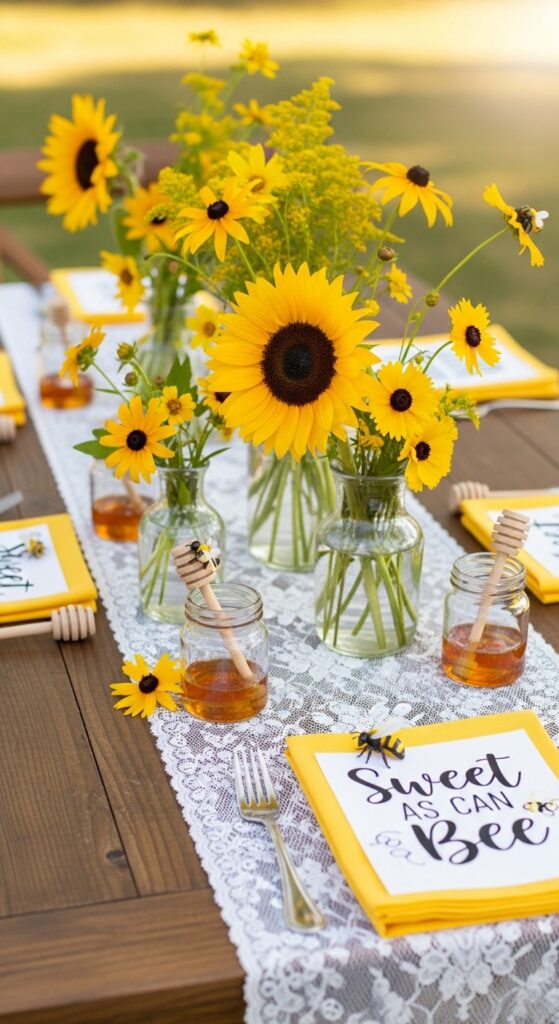
The honey bee theme is one of the best gender-neutral options available because it works visually, it has a clear food tie-in, and the “sweet as can bee” wordplay is charming without being saccharine.
What actually works: Anchor the food around honey: honey butter biscuits, honeycomb on the charcuterie board, honey drizzle on the yogurt parfaits, honey lavender lemonade. The food and the decor reinforce each other, which is what makes a theme feel cohesive rather than bolted on.
Decor note: Small hex-shaped honeycomb candles, yellow wildflowers (sunflowers, black-eyed Susans, or even daisy-variety chamomile), and honey jars as both centerpiece and favor accomplish the whole look without requiring specialized purchases. Tie a simple ribbon around each honey jar and add a small tag for the favor component.
Color palette: Yellow, cream, and soft gold. Resist adding black—it reads as “Halloween bee” rather than “sweet bee.” Natural wood tones and white linen as the backdrop let the yellow pop without becoming overwhelming.
14. Floral Ice Cubes
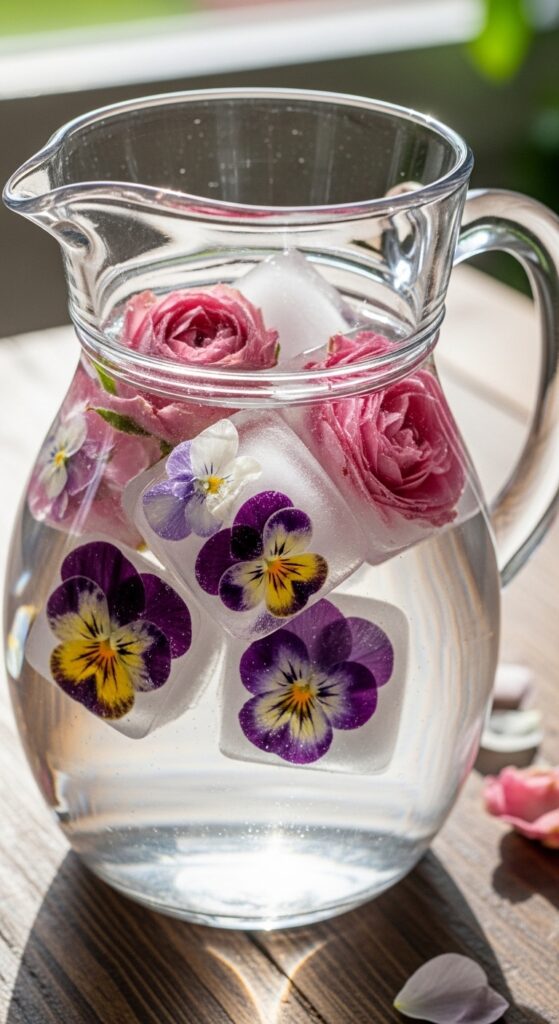
This is a small detail that costs almost nothing and generates a disproportionate amount of comment from guests.
What actually works: Freeze edible flowers—violas, nasturtiums, rose petals—in water in a standard ice cube tray. The trick to clear cubes with visible flowers: use distilled water (not tap) and freeze slowly by leaving the tray in the refrigerator for 24 hours before moving to the freezer. The slow freeze produces clearer ice. For fully embedded flowers, fill each cube halfway, freeze until solid, place the flower, add remaining water, and freeze again.
Which flowers are edible: Violas, pansies, rose petals (pesticide-free), lavender, chamomile, nasturtiums, and borage. Not all flowers are edible—do not use flowers from a florist unless specifically labeled food-safe, as most commercial flowers are treated with pesticides.
Sourcing note: Edible flowers are available at Whole Foods, Trader Joe’s, and most farmer’s markets. They’re typically sold in small clamshell containers. One container makes about 24 ice cubes—enough for a standard punch bowl or water carafe setup.
15. The “Cravings” Corner
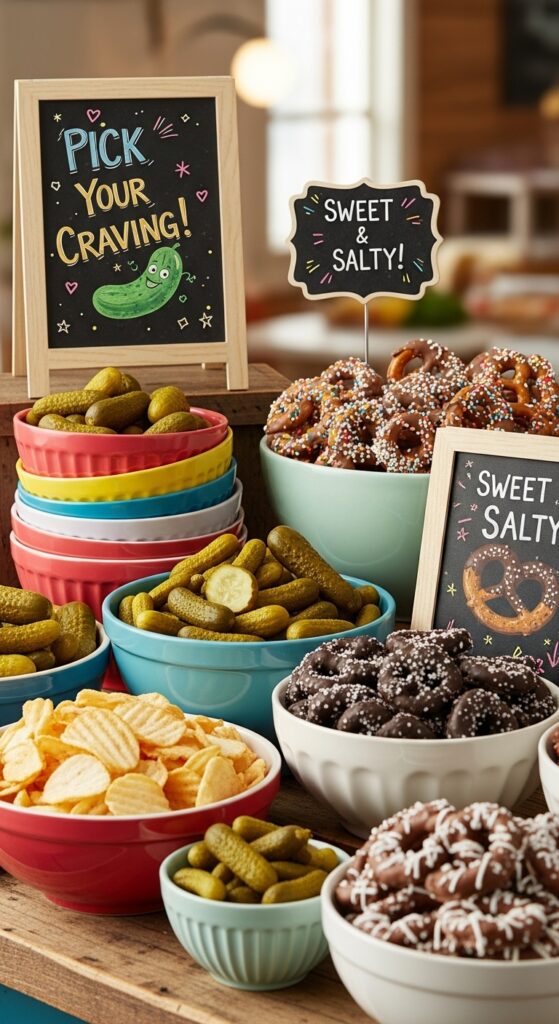
This is the most personally meaningful station on this list, and it’s the one guests remember after every other detail has faded.
What actually works: Interview the mom-to-be in advance—or ask her partner—about her specific pregnancy cravings. Build a small station featuring those exact foods, labeled in her words. “The 3 AM pickle craving.” “The chips that got us through month four.” The specificity is everything. Generic snacks labeled “cravings” look like an afterthought; her actual cravings labeled with her actual words become a tribute to her journey.
Setup note: Keep this station small and tightly curated—three to five items maximum. More than that dilutes the concept. Frame it with a small sign: “Her cravings, our snacks.” Display it at a slightly separate location from the main buffet so guests encounter it as a discovery rather than just another food table.
16. Fruit Skewers with Mint
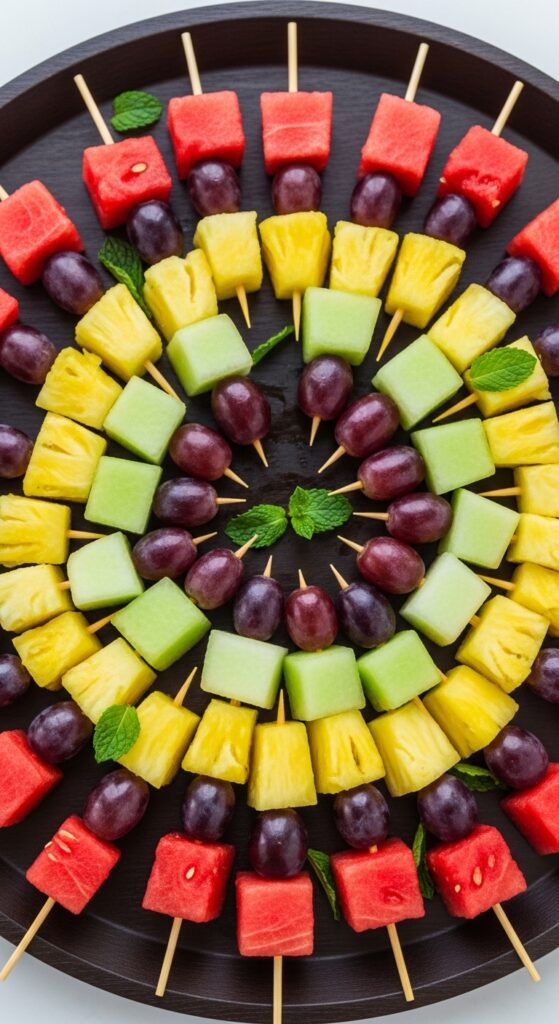
Fruit skewers are on nearly every brunch table, which means execution is what differentiates yours.
What actually works: Mix warm and cool-toned fruits on the same skewer for visual contrast: strawberry (red), cantaloupe (orange), pineapple (yellow), green grape (green), blueberry (blue-purple). This color progression reads as intentional. Finish each skewer with a mint leaf at the top.
Setup note: Cut and thread the skewers the morning of and store refrigerated, covered, until 30 minutes before guests arrive. Do not add mint in advance—it wilts and blackens against cut fruit within an hour. Add the mint garnish as the last step before the table is set.
Display tip: Stand skewers upright in a tall glass or a foam block covered with banana leaves rather than laying them flat on a platter. Upright skewers require less table space and create visual height.
17. Bookshelf Backdrop for Gifts
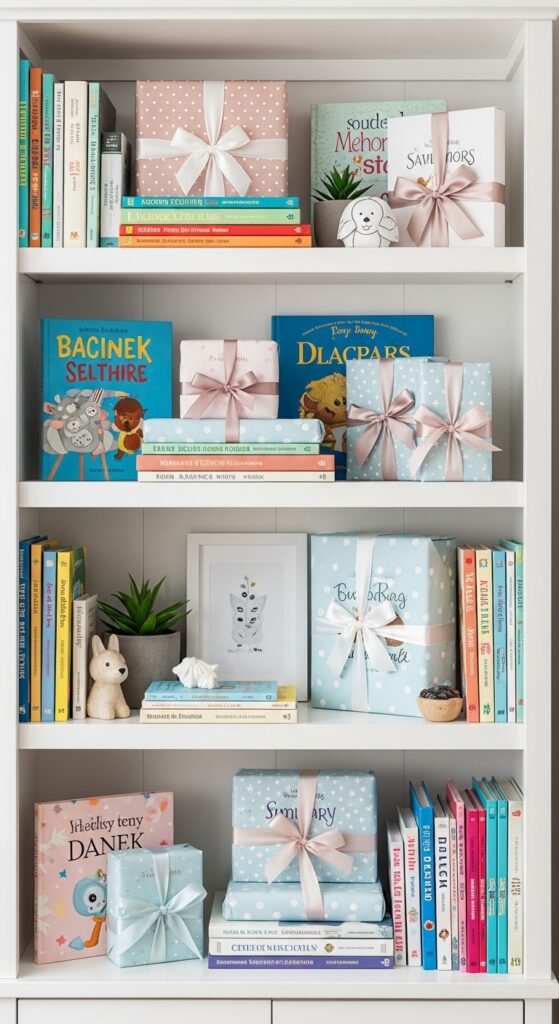
Most baby showers have the same gift table problem: a folding table piled with wrapped boxes that looks like a stockroom by the time the party is half over.
What actually works: A bookshelf—even a basic three-shelf unit—gives you vertical display space so gifts stack upward rather than outward. Arrange gifts by height on each shelf, with the largest on the bottom. Add small decorative elements between gifts: a small potted plant, a framed photo of the parents-to-be, a few stacked board books.
Setup note: This works best if guests know in advance to bring gifts without bags when possible—wrapped gifts stack more cleanly on shelves than bagged gifts. Include this note on the invitation if you go this route. Have a dedicated “bag and ribbon” basket nearby so wrapping can be removed as gifts are placed without creating floor chaos.
18. Breakfast Burrito Sliders
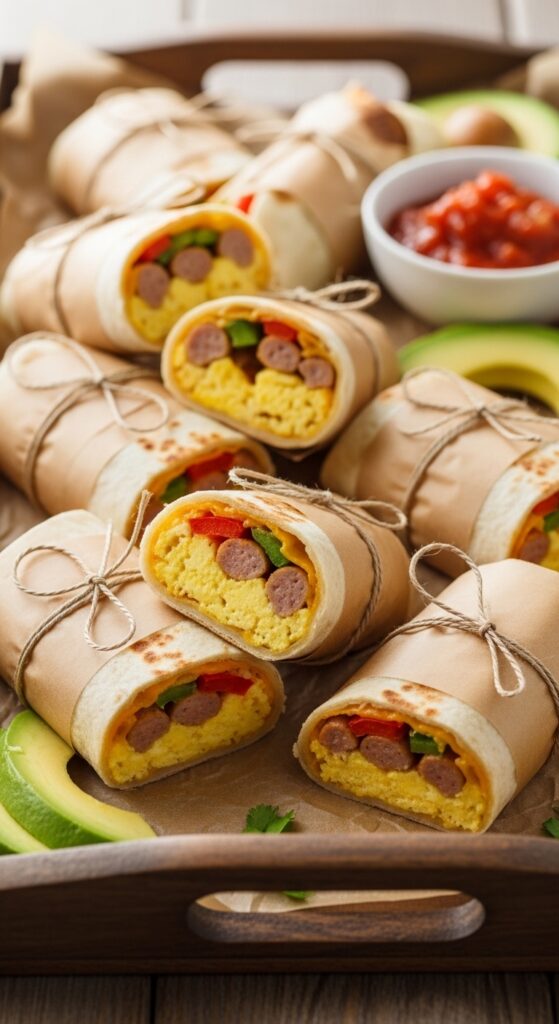
For a heartier option that satisfies guests with larger appetites or dietary needs that fruit and pastries don’t cover, mini breakfast burritos offer protein and substance without disrupting the brunch aesthetic.
What actually works: Use 6-inch flour tortillas. Fill with scrambled eggs, cheese, and one optional filling (black beans, roasted peppers, or breakfast sausage). Roll tightly, wrap in parchment paper cut into squares, and tie with kitchen twine. The parchment keeps them warm and holds the shape, and the twine presentation makes them look like they came from a restaurant.
Setup note: Make these up to two hours before the party and keep wrapped in a single layer in a 200°F oven. Don’t stack them—the bottom ones steam and go soggy. Lay them flat on a wire rack so air circulates around each one.
Labeling: Label the filling clearly. Egg and cheese, egg and sausage, and vegetarian (egg, pepper, and bean) cover the most common dietary preferences and allow guests to choose confidently.
19. Sparkling Cider Toast
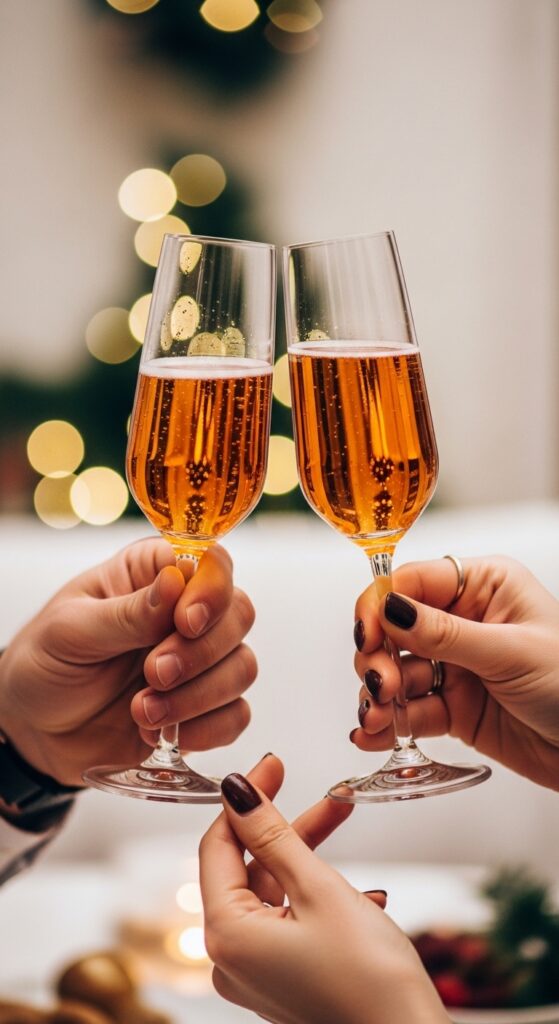
A formal toast with the right glass feels celebratory regardless of what’s inside it. The key is in the stemware and the presentation, not the liquid.
What actually works: Use actual champagne flutes—not plastic, not wine glasses. The narrow profile and the sound of flutes touching are what create the “toast” experience. Buy inexpensive glass flutes in bulk (sets of 12 are available for under $20) rather than renting plastic.
Setup note: Pour the cider just before the toast rather than in advance—sparkling cider loses its carbonation quickly once poured. Have someone pre-fill half the flutes in the kitchen just before the toast moment and bring them out on a tray. This takes about two minutes and prevents the flat-cider problem entirely.
Toast timing: The toast works best immediately after the guest of honor opens gifts—it marks a natural transition and gives guests who are standing near the gift pile a reason to gather. Have someone pre-appointed to manage the glass distribution so it happens quickly.
20. Coffee Bar with Custom Sleeves
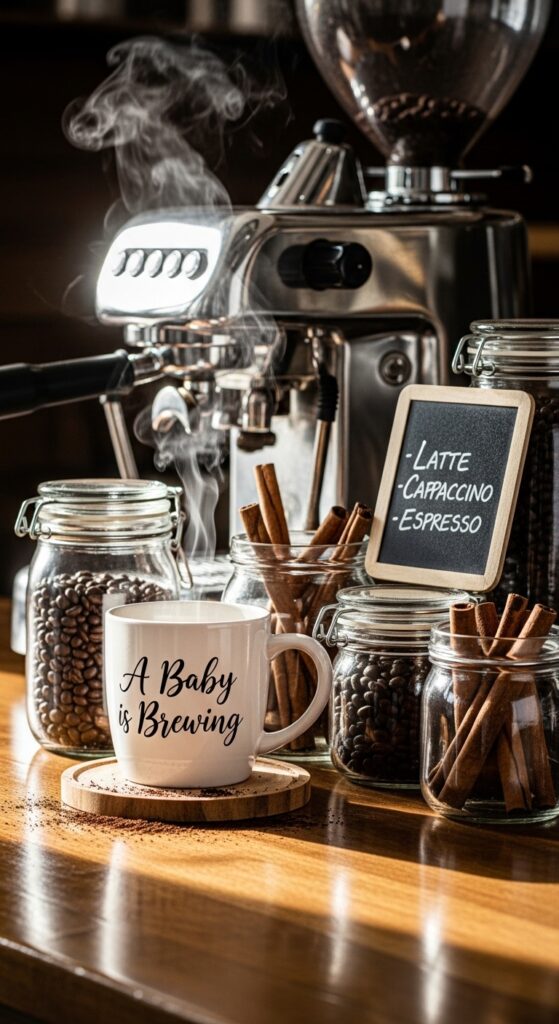
A properly set up coffee bar is one of the most appreciated additions to any morning event, especially for guests who have driven a distance or are dealing with pregnancy-adjacent sleep deprivation (partners, in-laws, new parents of the siblings-to-be).
What actually works: Set out a coffee carafe or an insulated dispenser (rented or borrowed from a church or community hall—this is the secret that caterers use), syrups in vanilla, hazelnut, and caramel, oat milk and regular milk, sugar and a sugar alternative, and cinnamon and cocoa powder for dusting.
The custom sleeve: A custom cardboard sleeve that reads “A Baby is Brewing” or “[Name]’s Blend” is available from Etsy for $15–$25 per set of 25. It’s a small detail that guests notice immediately and photograph. Order two to three weeks in advance—custom print items have longer lead times than you expect.
Setup note: Place the coffee station away from the food table. Guests who want coffee will linger at that station; if it’s adjacent to the food, it creates a traffic bottleneck that slows down the entire buffet line.
21. Natural Light Focus with Sheer Coverings
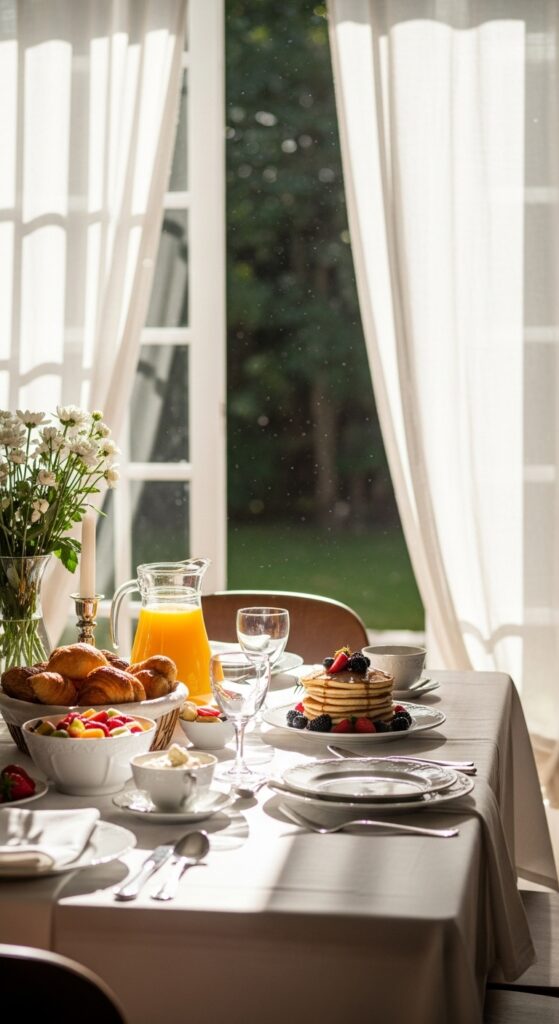
Brunch lives and dies by its light. A room with flat overhead lighting in the middle of the day looks institutional. A room with filtered natural light looks warm, alive, and photographable.
What actually works: Sheer linen or cotton panels hung over existing windows—even just clipped to a tension rod if you can’t install hardware—diffuse direct sunlight into the soft, even glow that makes brunch photos look effortless. The goal is not blocking light but softening it.
Setup note: Take a test photo of your food table at the actual party time (10:30–11:00 AM) a week before the shower with your current window situation. If the photo looks flat or harsh, add the sheers. If it already looks good, no change needed. This is worth doing—light changes dramatically by hour, and a table that looks perfect at 9 AM might be in harsh direct sun by 11.
If you have no large windows: Supplement with warm-white LED strip lights along the back of the food table or under the table skirt. Uplighting on a food table creates warmth without the harshness of overhead light.
22. Playroom-Inspired Activity Corner
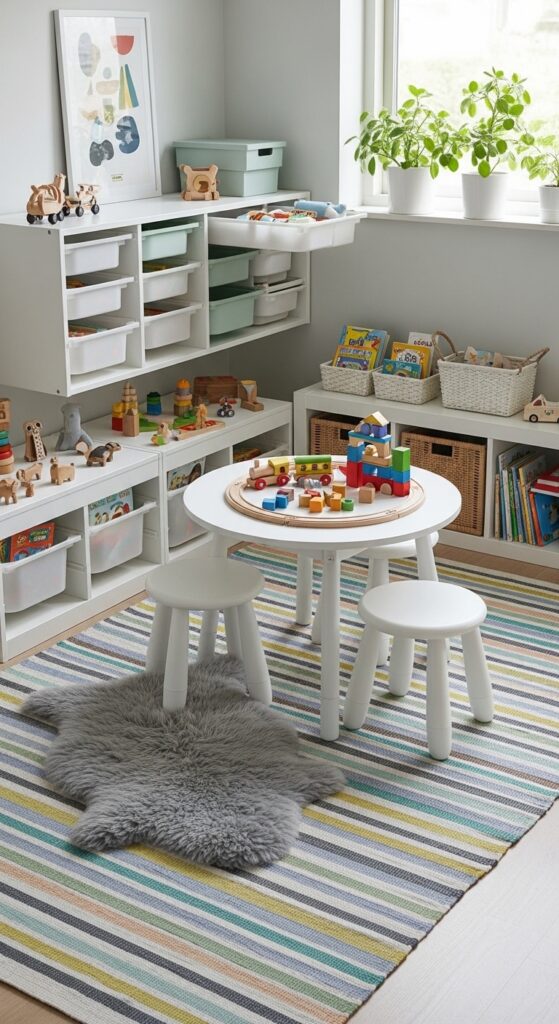
If children are invited—either as siblings of the guest of honor or children of guests—a small designated activity space does two things: it keeps children engaged without constant adult supervision, and it visually contains the inevitable child-chaos to one part of the room.
What actually works: A low table with three or four activities is sufficient. Crayons and a coloring sheet themed to the baby shower (printable files are available on Etsy for $2–$5), kinetic sand or PlayDoh in a contained tray, and a basket of board books are enough for children ages 2–6. For older children (7+), a simple craft activity like decorating a onesie with fabric markers keeps them engaged longer.
Setup note: Place this corner as far from the main food table as the room allows—children near a buffet table is a recipe for a dropped yogurt parfait. A corner near a wall, with the activity table as a natural barrier, works well. Have a small waste bin nearby for craft scraps.
Troubleshooting Common Baby Shower Brunch Problems
Problem: The food runs out faster than expected. The most commonly underestimated items are the filling ones—bagels, burritos, quiche. Fruit and pastries seem abundant but don’t actually satisfy guests for long. When in doubt, add one extra dozen of your most substantial item. A leftover dozen mini quiches is a much smaller problem than a depleted table 45 minutes into the party.
Problem: Some guests don’t eat eggs, dairy, or gluten. Build one dedicated plate at the start of the party that is clearly vegan or allergy-friendly (fruit skewers, avocado toast on GF bread, yogurt parfait with a dairy-free yogurt). Label it. Guests with dietary restrictions will find it immediately, and it removes the awkward conversation where they have to ask about every dish.
Problem: The timeline fell apart and I’m not ready when guests arrive. Identify your “must have ready” items versus “nice to have” items before the day of the party. The Mom-osa bar, one hot item, and the fruit station are non-negotiable—guests arriving to those three things will not notice that the donut wall isn’t hung yet. Prioritize ruthlessly in the final 30 minutes.
Problem: The gift opening took too long and guests got restless. Set an expectation in advance: 30–45 minutes for gifts is appropriate, not two hours. Have someone positioned next to the guest of honor to hand gifts, manage wrapping, and keep a written record of who gave what simultaneously. This doubles the pace and halves the time. Warn the guest of honor in advance that you’ll be keeping pace—she can always slow down for items that genuinely move her.
Problem: I spent too much money. The three highest-cost items at most baby showers are flowers, catering, and custom décor. DIY stations (waffle bar, bagel board, Mom-osa bar) replace catering at a fraction of the cost. Greenery from a wholesale market replaces costly floral arrangements. One custom print item (the coffee sleeve, a single banner) creates the “personalized” feeling without requiring everything to be custom. Prioritize one splurge and DIY the rest.
Realistic Timeline for the Morning of the Party
The night before: Make crepe batter, assemble yogurt parfaits and refrigerate, make mini quiches and refrigerate, prepare avocado mixture and press wrap directly to surface, make floral ice cubes, set up décor except fresh florals.
3 hours before: Pick up donuts, set up donut wall, arrange bagel board (except smoked salmon), put quiches in oven to reheat, start coffee carafe.
1 hour before: Add smoked salmon to the bagel board, set out avocado toast station, fill Mom-osa juice pitchers, add fresh mint to fruit skewers, take food table photos.
30 minutes before: Light any candles, put finishing touches on the gift area, move yogurt parfaits from refrigerator to table.
At party start: Start waffles or bring out kept-warm batches, pour sparkling cider into flutes for anyone who arrives early.
FAQs: Planning a Perfect Baby Shower Brunch
Conclusion: Final Words on Hosting Your Perfect Brunch
Both baby showers I hosted turned out well. Not because I executed everything flawlessly—I burned the first batch of mini pancakes at my sister’s shower and had to improvise, and at my friend’s shower I completely forgot to set out the serving spoons until halfway through the party.
They turned out well because the guest of honor felt celebrated. The food was warm, the room was bright, there was always something to drink, and the people she loved were there.
That’s what a baby shower brunch is actually for. The waffle bar and the floral ice cubes and the custom coffee sleeves are in service of that feeling—not the other way around.
Pick three or four ideas from this list that genuinely excite you. Execute those well. Don’t attempt all twenty-two. The best brunch you can host is the one that doesn’t exhaust you before the first guest arrives.