
I still remember the first time I walked into a traditional Mexican-style home. The warm colors, textured walls, and handcrafted details instantly made the space feel inviting. It wasn’t perfect or minimal—it felt real and lived-in. That experience changed how I see home decor.
Old Mexican decor isn’t just about design—it’s about comfort, culture, and storytelling. Even in a small apartment, you can bring that warmth into your space with the right elements.
Why Old Mexican Decor Matters
In today’s modern homes, everything often feels too plain and uniform. Old Mexican decor stands out because it embraces natural materials, bold colors, and handmade details. It creates a relaxed and welcoming environment where people feel comfortable.
This style is not about perfection. It’s about creating a space that feels warm, personal, and full of character.
| Image | Product Title | Price | Action |
|---|---|---|---|
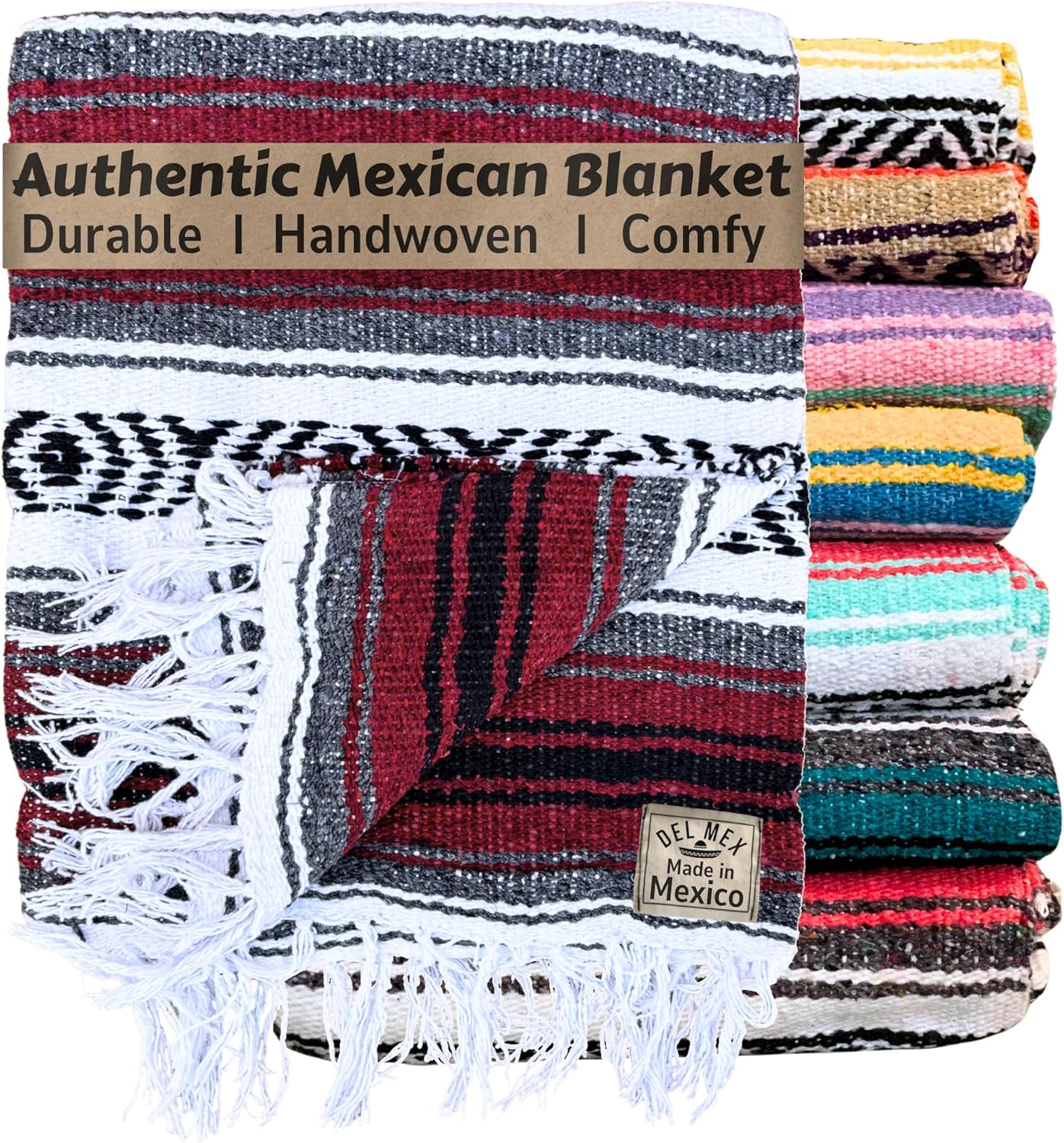 |
Del Mex Classic Mexican Blanket – Large Authentic Woven Falsa Throw | $23.99 | Check Price |
 |
HunnmingRe Mexican Boho Throw Pillow Covers (18×18, 2 Pcs) | $24.99 | Check Price |
 |
GUAN YANG Metal Sun and Moon Vintage Wall Decor | $39.99 | Check Price |
 |
Riseuvo 6 Inch Terracotta Pots with Saucers (4 Pack) | $22.99 | Check Price |
 |
WhiteRhino Granite Molcajete – Natural Mortar and Pestle Set | $33.99 | Check Price |
 |
14” Moravian Star Pendant Light – Seeded Glass Star Light | $125.00 | Check Price |
16 Old Mexican Decor Ideas
1. Authentic Saltillo Terracotta Flooring
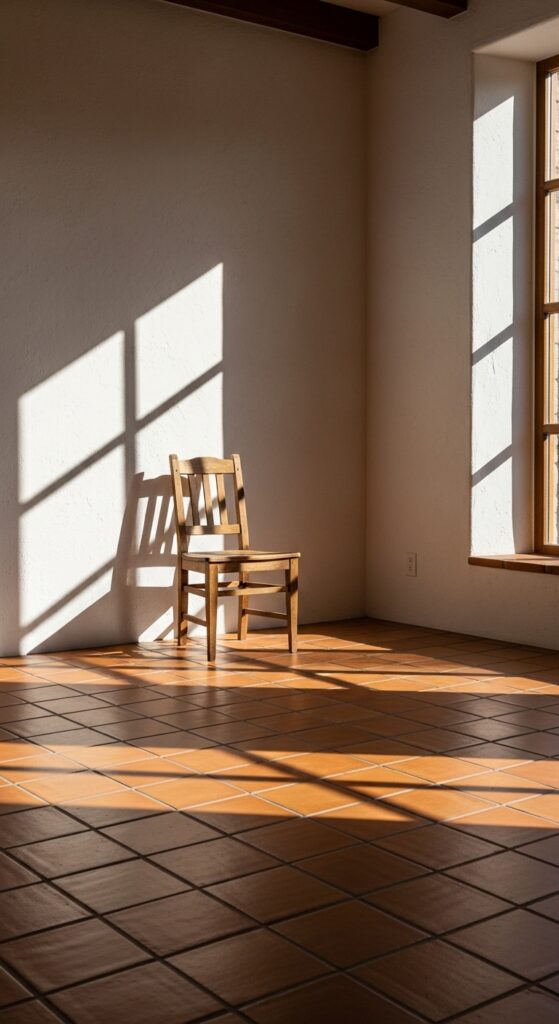
Terracotta tiles are one of the most recognizable features of traditional Mexican homes. Their warm, earthy tones instantly make a space feel cozy and inviting. Because they are handmade, each tile looks slightly different, adding natural variation. Over time, they develop a beautiful aged look, making your flooring feel more authentic and full of character.
2. Hand-Painted Talavera Tile Accents
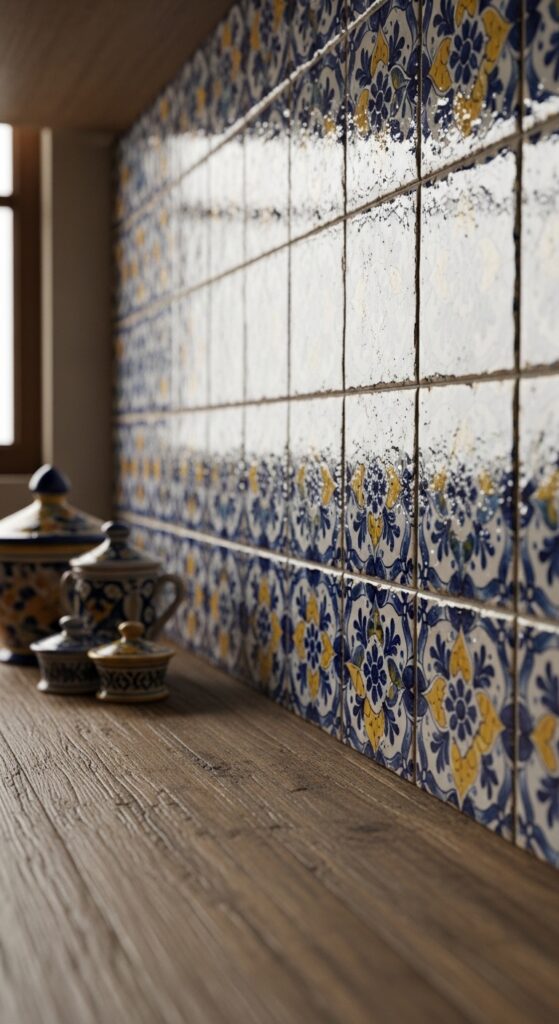
Talavera tiles are known for their bright colors and detailed patterns. You can use them in kitchens, bathrooms, or even on stair risers to create a focal point. These tiles add personality and cultural depth to your home. Their glossy finish also reflects light, making the space feel more vibrant and lively.
3. Rustic Carved “Mesquite” Wooden Doors
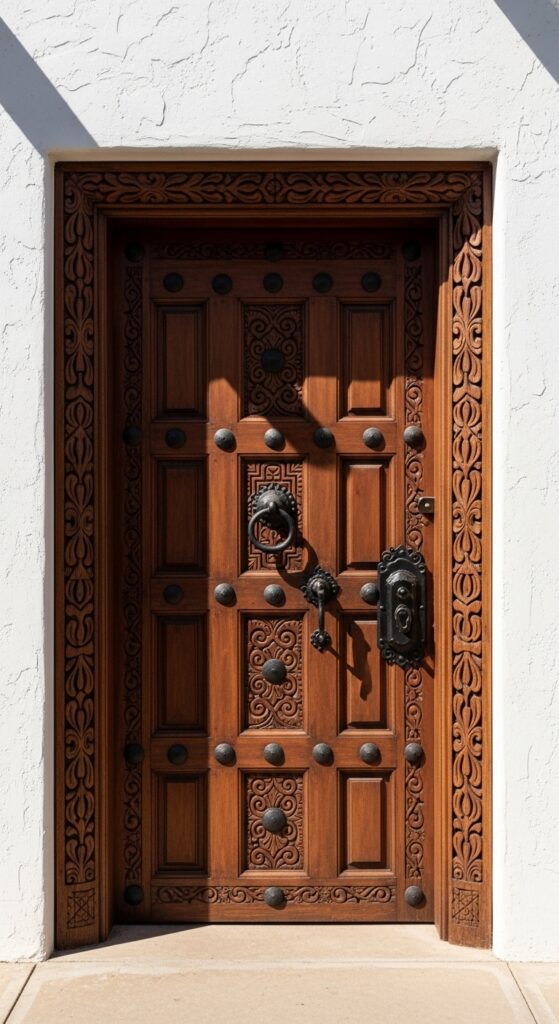
A solid wooden door with carved details can completely change the look of your entrance. Traditional Mexican doors are heavy and full of character, often decorated with metal accents. Even if you don’t replace your door, adding wooden elements or finishes can bring a similar rustic feel to your home.
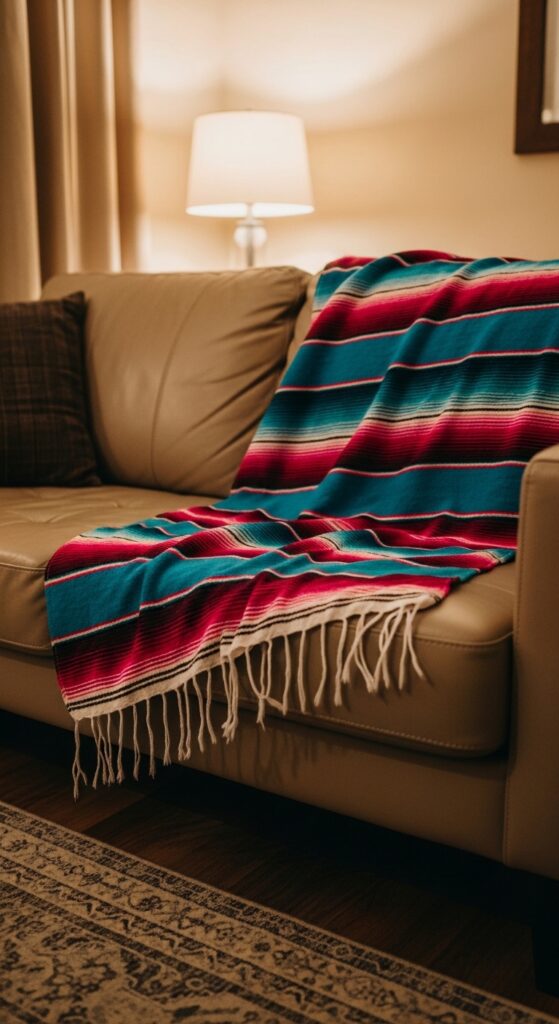
4. Vibrant Hand-Woven “Serapes” and Textiles
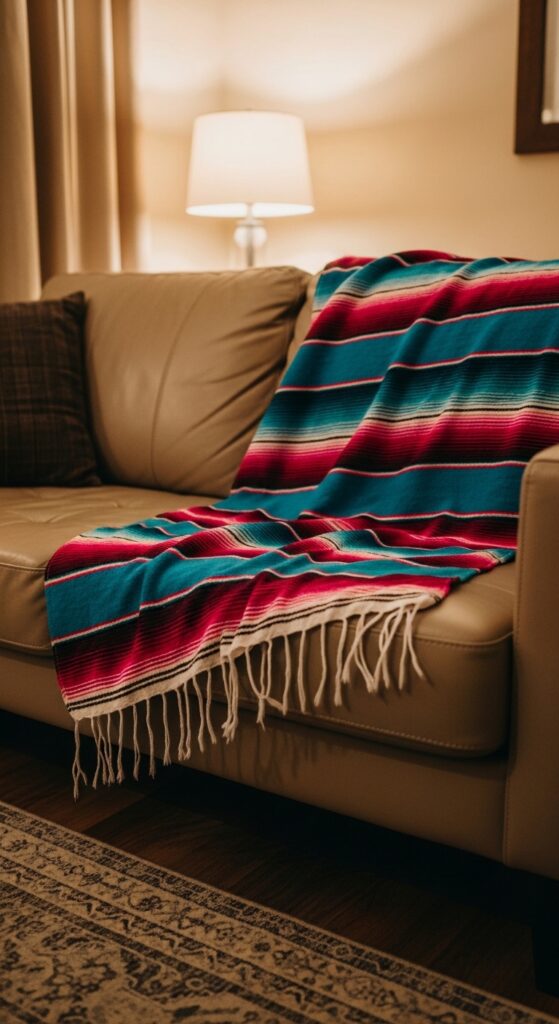
Woven blankets and fabrics are an essential part of Mexican decor. These textiles often feature bold colors and patterns that bring life into any room. You can place them on sofas, beds, or chairs to add warmth. They not only improve comfort but also make the space feel more vibrant and welcoming.
5. Wrought Iron Wall Sconces and Chandeliers
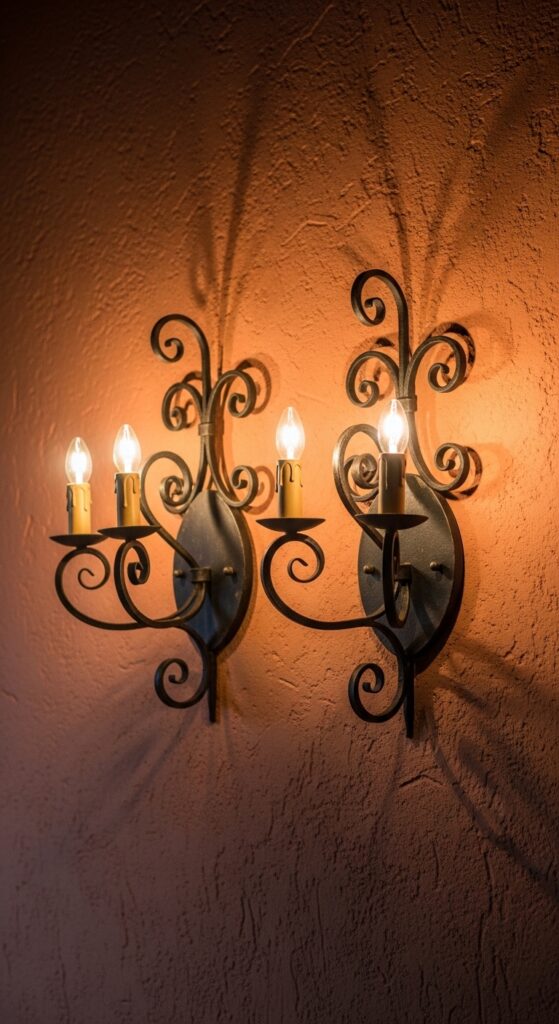
Lighting plays a big role in setting the mood. Wrought iron fixtures add a rustic and traditional touch to your space. Wall sconces or chandeliers with warm bulbs create a soft glow, making your home feel more relaxed. This type of lighting works especially well with earthy color palettes.
6. Thick Plaster Walls with Rounded Corners
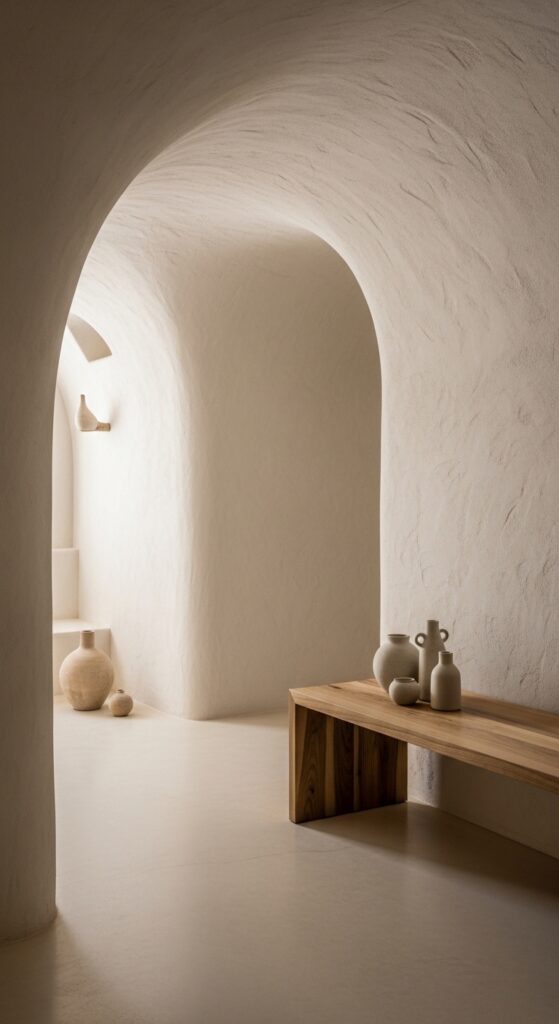
Instead of perfectly smooth walls, textured plaster gives a more natural and traditional feel. Slight imperfections add depth and character to the space. Using warm shades like cream or sand enhances the overall look. These walls create a soft background that works well with colorful decor elements.
7. Built-in “Nicho” Wall Shelves
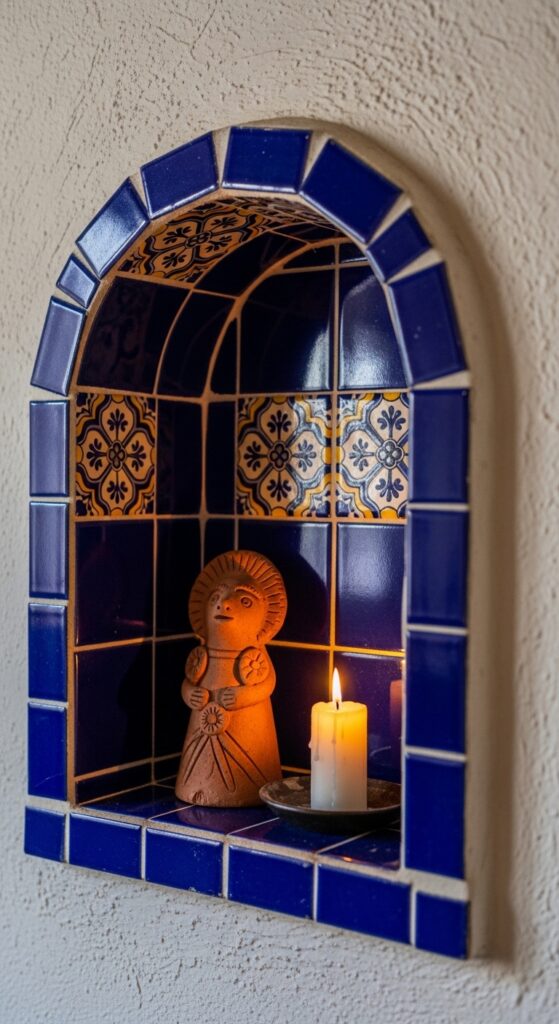
Wall niches are built-in spaces used to display decor items. You can use them to showcase candles, artwork, or small decorative pieces. They add architectural interest without taking up extra space. This is a great way to make your walls more functional while keeping the design simple and elegant.
8. Exposed Wooden “Vigas” and Latillas
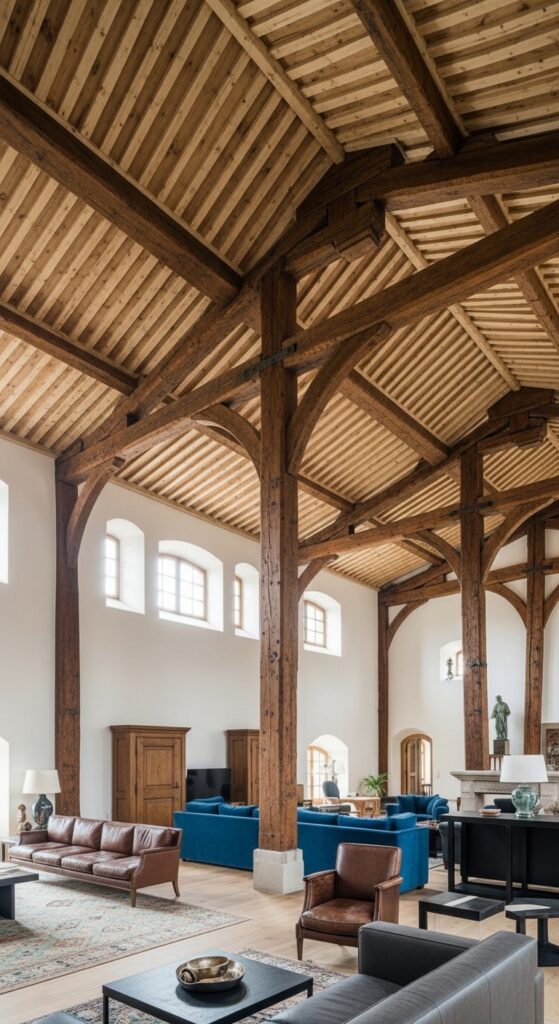
Exposed wooden beams can make a room feel warm and grounded. They add a rustic charm and draw attention upward, making the ceiling look more interesting. Even in modern homes, adding faux beams can create a similar effect. This detail makes the space feel more traditional and cozy.
9. Heavy Equipal Leather Furniture
Leather furniture, especially in warm brown tones, fits perfectly with Mexican decor. It adds a natural and earthy feel to the room. Over time, leather develops a unique texture that makes it even more attractive. Pairing it with colorful cushions or blankets creates a balanced and comfortable look.
10. Colorful Mexican Folk Art
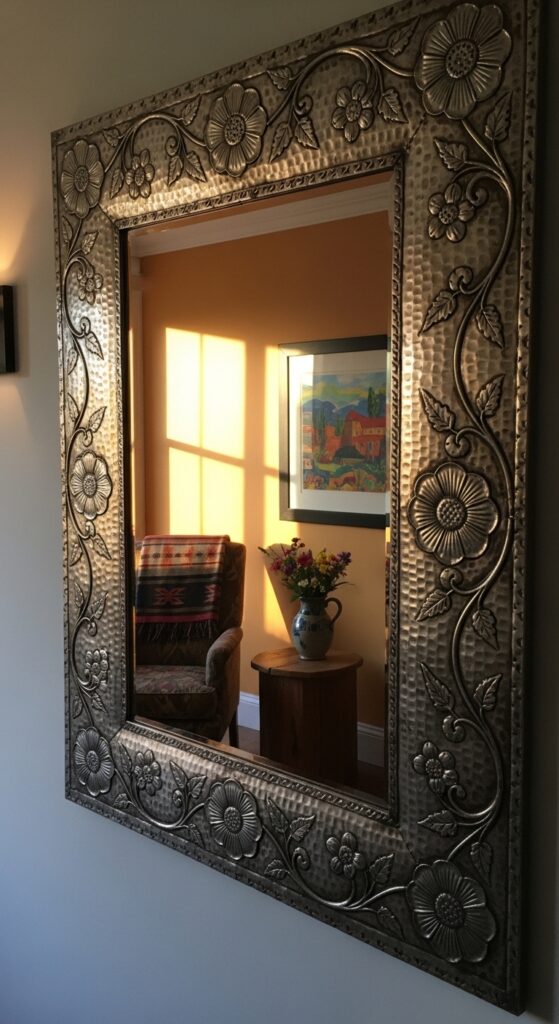
Mexican folk art adds personality and uniqueness to your home. Brightly painted sculptures or decorative items can act as statement pieces. They bring color and energy into the space while reflecting cultural heritage. Even a few small items can make your decor feel more lively and expressive.
11. Indoor Courtyard Potted Plants
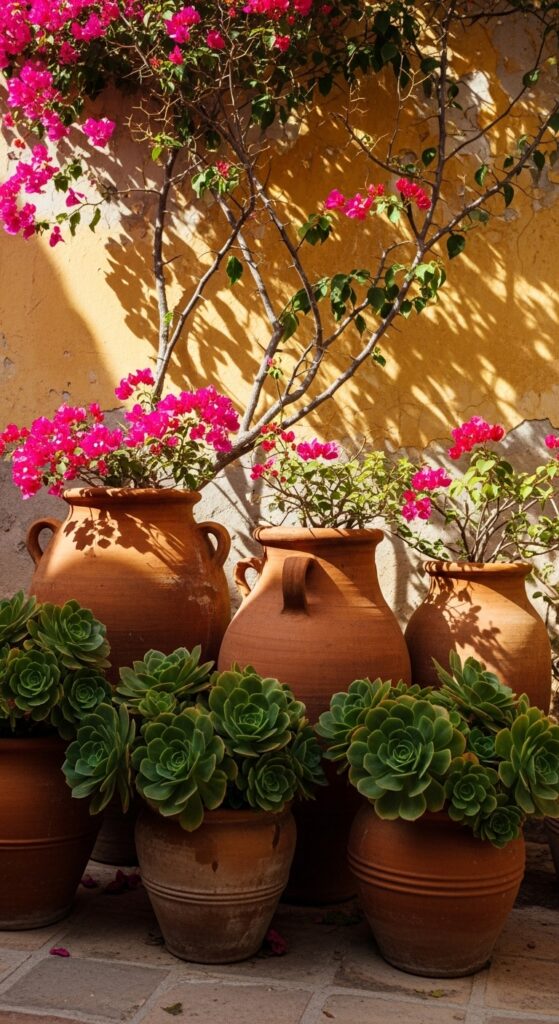
Plants are an important part of this style. Large pots with greenery create a fresh and natural atmosphere. Combining terracotta pots with green plants adds contrast and life to your space. It also makes your home feel more relaxed and connected to nature.
12. Hand-Hammered Copper Sinks and Tubs
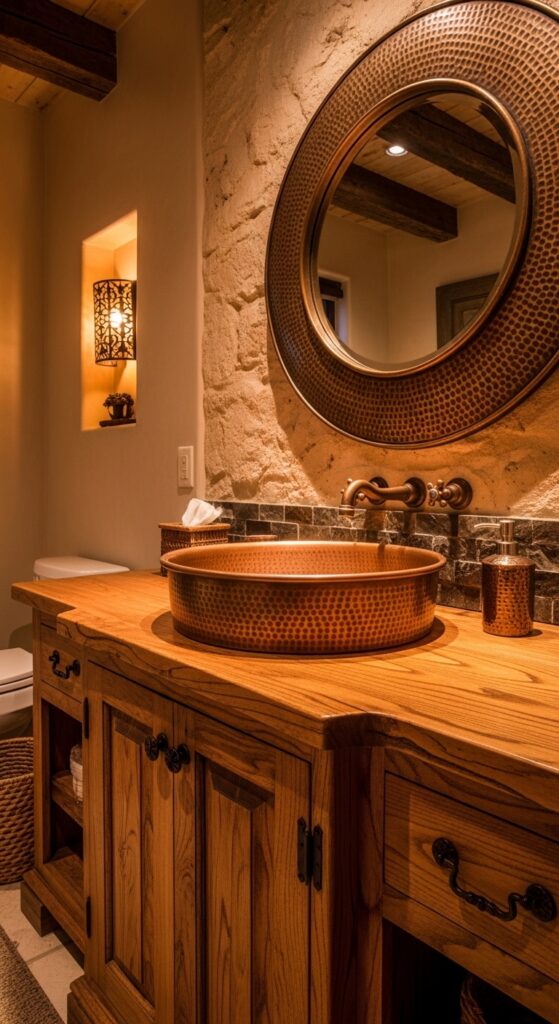
Copper items like sinks, bowls, or decor pieces add warmth and shine. The natural color of copper works well with earthy tones. Over time, it develops a patina that adds character. These small details can make your space feel more luxurious without being too modern or flashy.
13. Decorative Hanging Elements
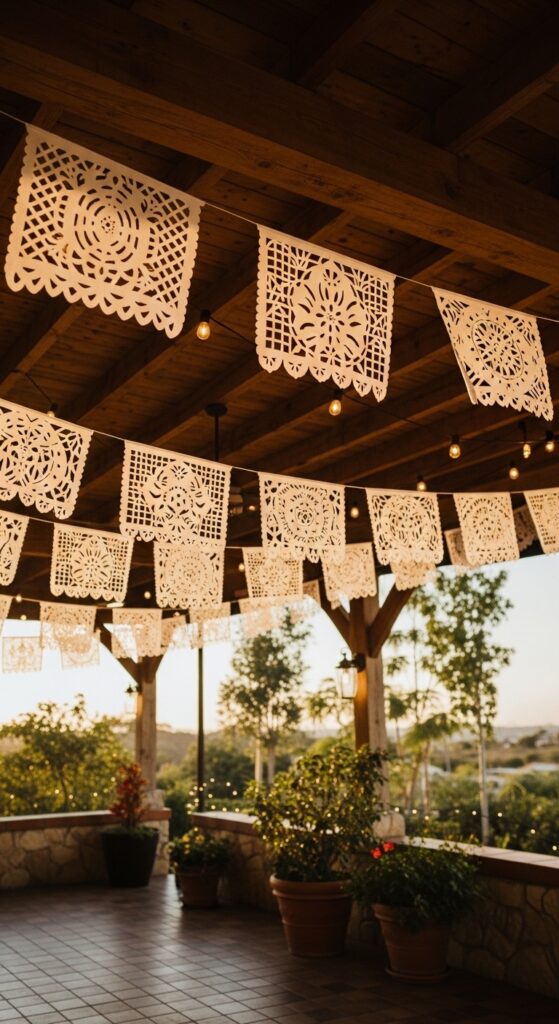
Lightweight hanging decor like cut patterns or banners can add movement to your space. They fill empty areas without making the room feel crowded. This adds a playful and festive touch, making your home feel more lively and welcoming.
14. Sun and Moon Wall Sculptures
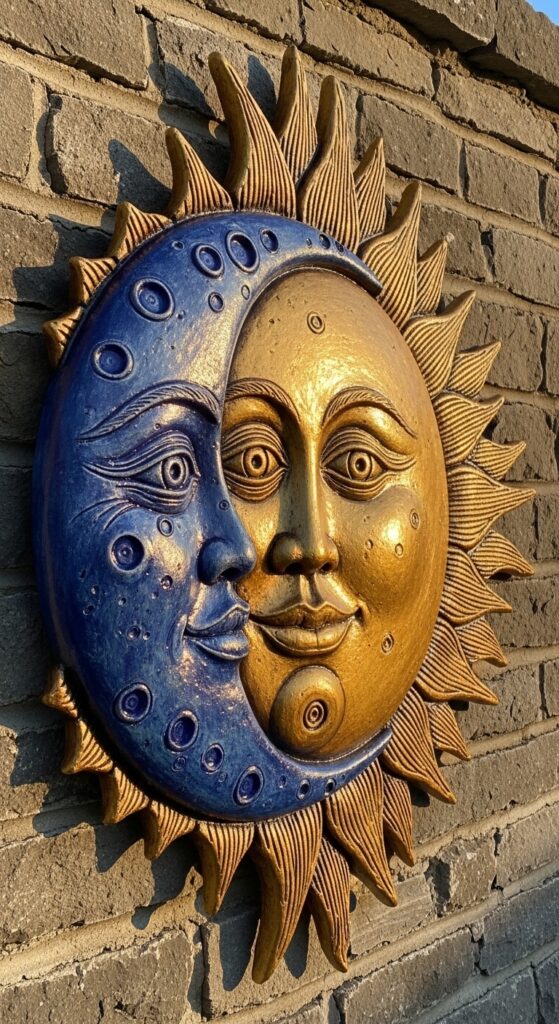
Sun and moon designs are popular in Mexican decor. These symbols represent balance and harmony. Placing them on walls adds a meaningful and artistic touch. They also act as focal points, especially when combined with warm colors and textures.
15. Embroidered Otomi Textiles
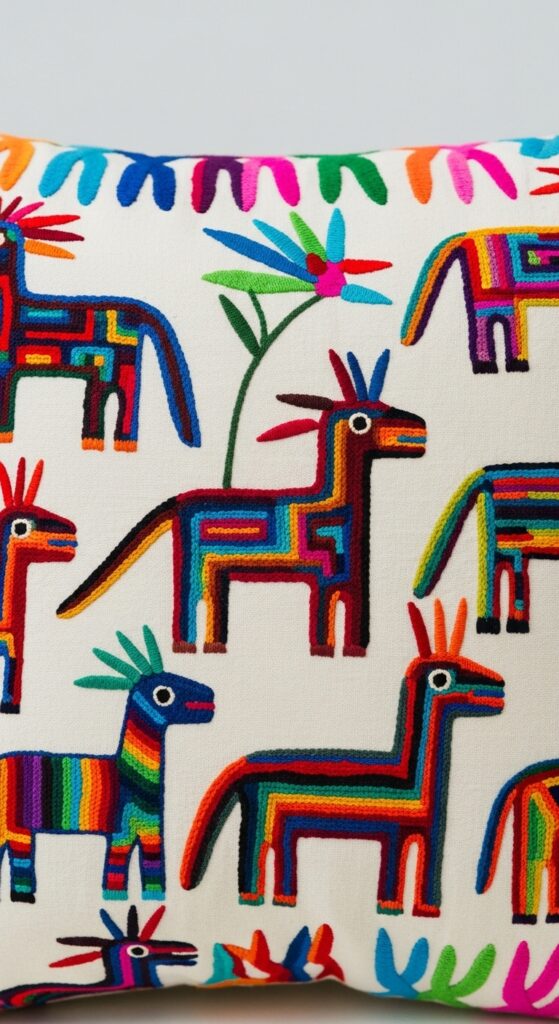
Hand-embroidered fabrics bring color and detail into your home. They can be used as cushions, table runners, or wall art. The designs often feature nature-inspired patterns, adding a lively feel. These textiles make your space feel more personal and handcrafted.
16. The “Ofrenda” or Memory Corner
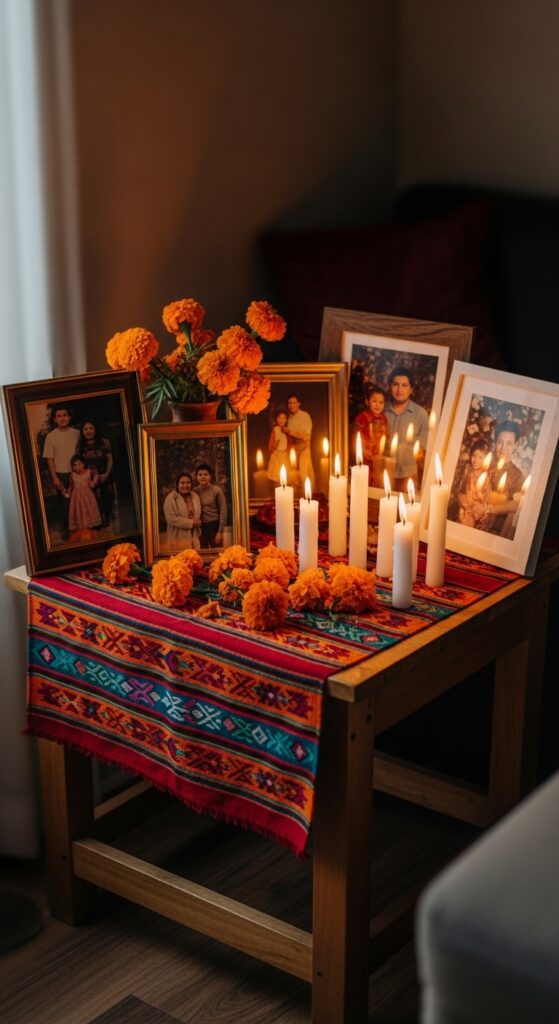
Creating a small corner with photos, candles, and meaningful items adds emotional value to your home. It’s a place where you can reflect and connect with memories. This simple idea brings warmth and personality, making your space feel truly yours.
Hacks & DIY Guides
15 Best Floating Shoe Storage Ideas
Read Article →14 Easter Table Decor Ideas
Read Article →16 Adorable Easter Bunny Decorations
Read Article →Cozy Cubicle Inspiration Ideas
Read Article →15 Genius Bedtime Survival Kits
Read Article →Deco Mesh Wreath Step-by-Step
Read Article →22 Gorgeous Ways to Hack IKEA IVAR
Read Article →20 Genius Shed Storage Ideas
Read Article →22 Useful IKEA Hacks
Read Article →FAQs: Expert Mexican Modern Decor Advice
Conclusion: Embrace the Warmth
Old Mexican decor is about creating a home that feels warm, comfortable, and full of character. It’s not about perfection but about mixing textures, colors, and personal touches.
You don’t need to change everything at once. Start small, add meaningful pieces, and slowly build a space that feels inviting and unique. Over time, your home will naturally reflect warmth and personality.
7 thoughts on “16 Cozy Old Mexican Home Decor Ideas”